← Beijing

Beijing · 十三陵

Ming Tombs (Thirteen Tombs of the Ming Dynasty)

🎫 Ticket 45 RMB
🕐 Duration 4–5 hours
🕘 Opening Hours 08:00–17:30
📍 Address Shisanling Town, Changping District, Beijing (foot of Tianshou Mountain, northern part of Changping District) Map ↗
🎧 8 audio walking guides for Ming Tombs (Thirteen Tombs of the Ming Dynasty) — listen on the spot in the YOLO HAPPY app. →

Inside Ming Tombs (Thirteen Tombs of the Ming Dynasty)

Stone Archway and Great Red Gate · 石牌坊与大红门

🎧 In app
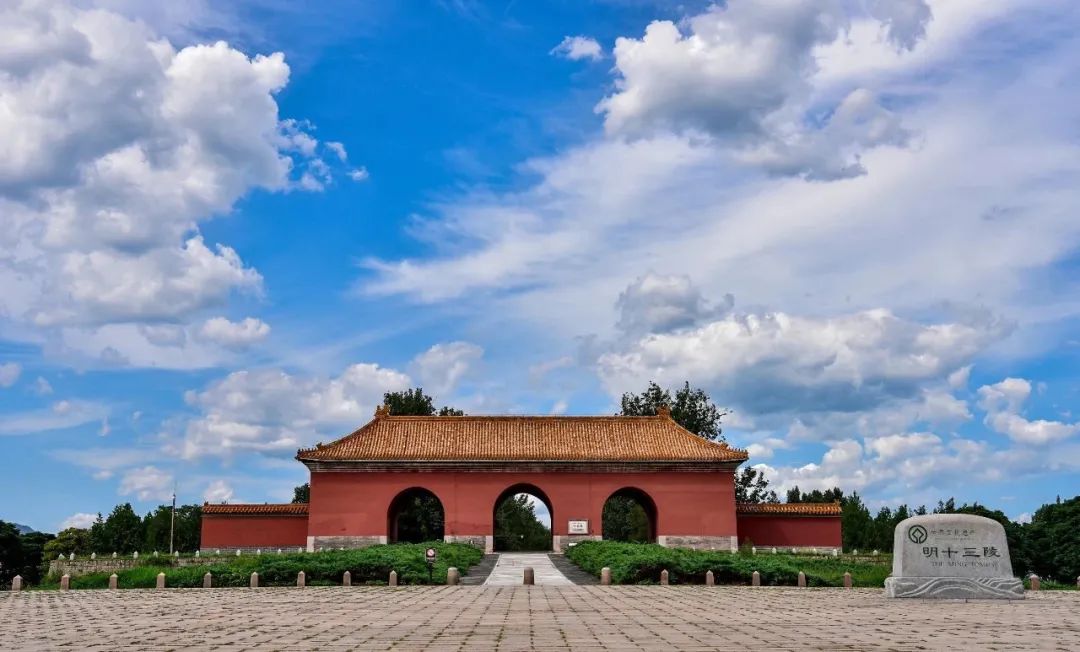
Stone Archway and Great Red Gate

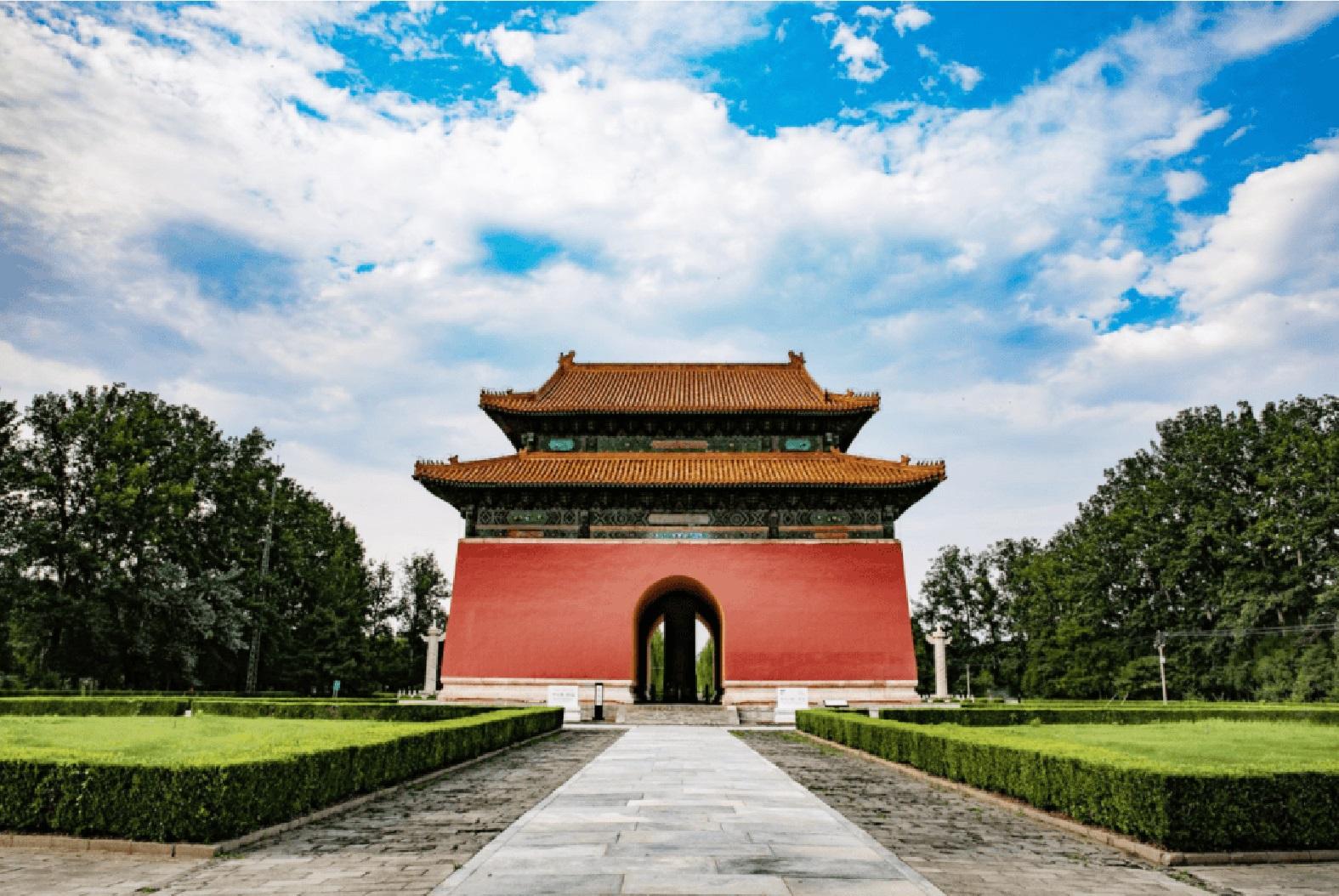
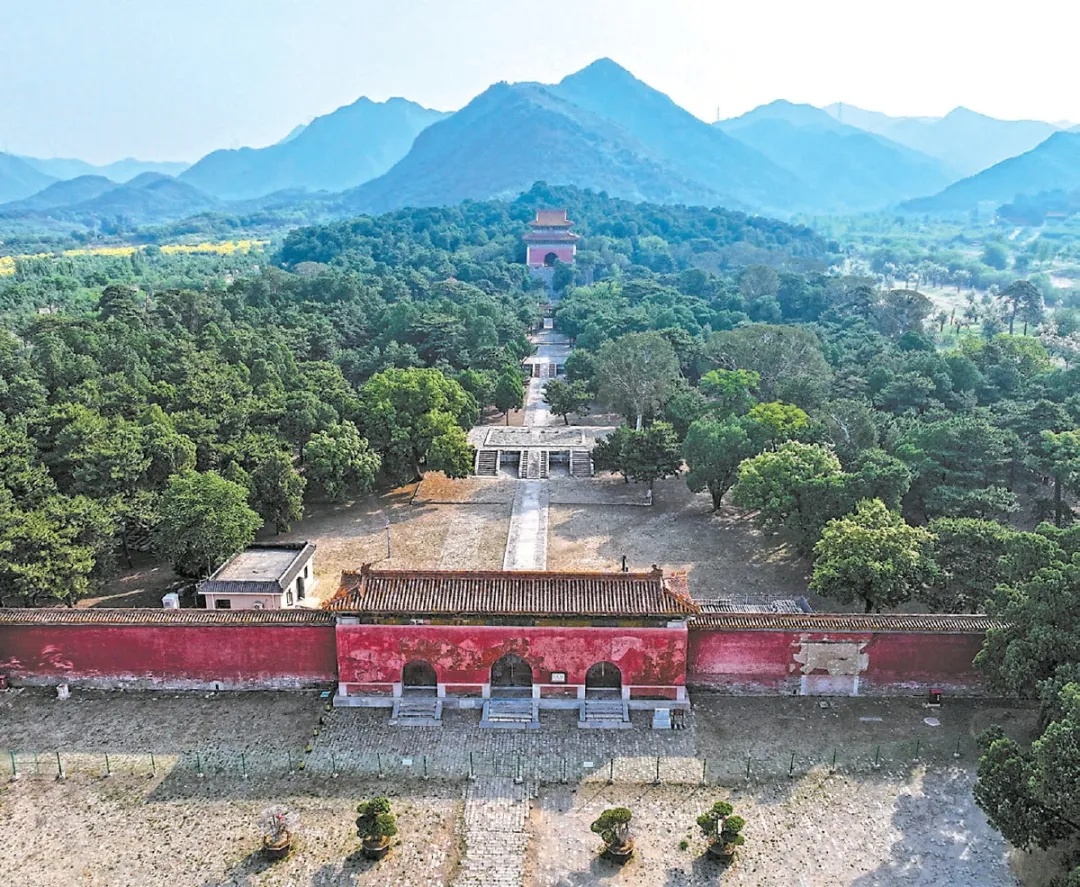
The Stone Archway, built in 1540 during the Jiajing reign, is a five-bay, six-pillar, eleven-roof stone structure made entirely of white marble. Measuring 28.86 meters wide and 14 meters high, it is the largest and best-preserved stone archway in China. Its beams are exquisitely carved with dragons, phoenixes, lions, and other auspicious motifs. The Great Red Gate, the main entrance to the mausoleum area, was built during the Yongle reign. It features a single-eave hipped roof with red walls and yellow tiles, connecting Mount Hu and Mount Long on either side to form a natural barrier. It is the first portal into the tomb complex and holds exceptional architectural and historical significance.
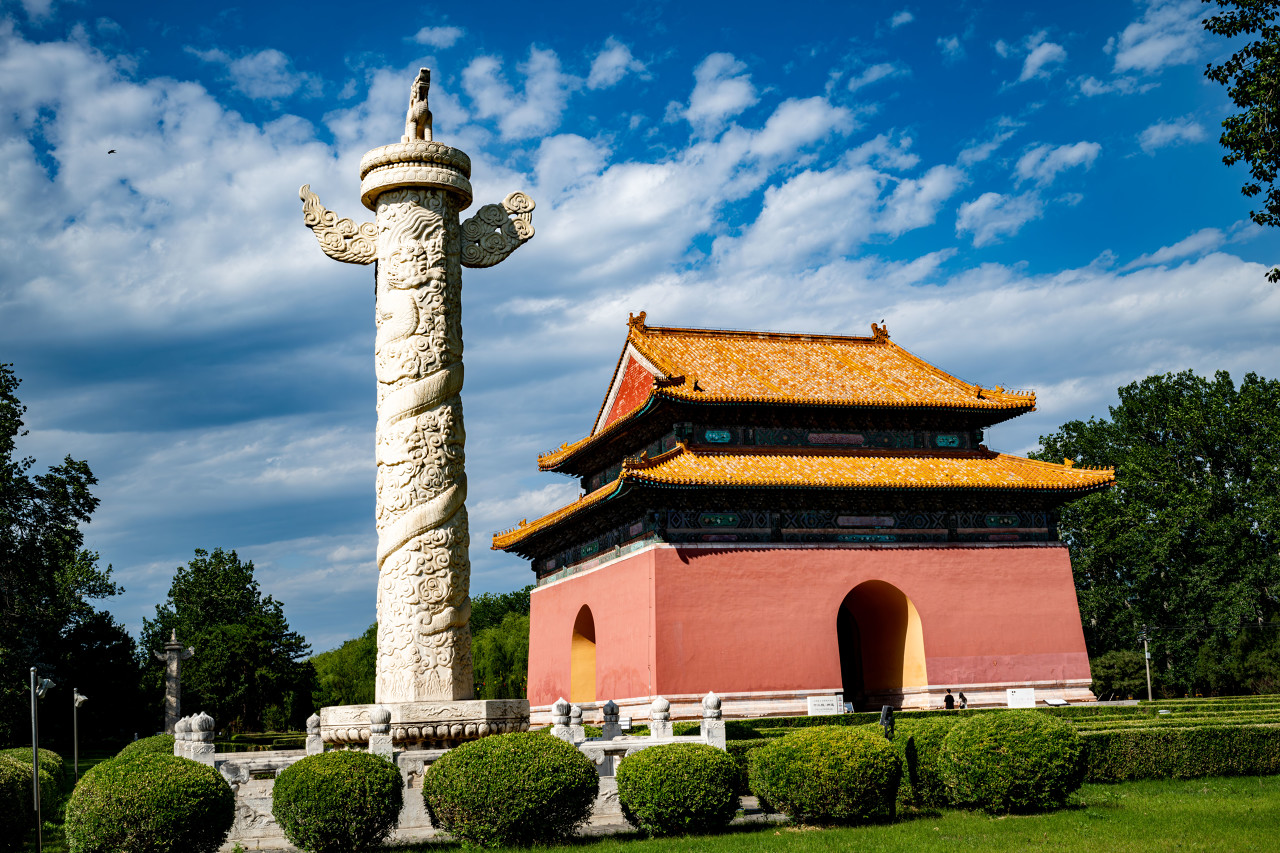
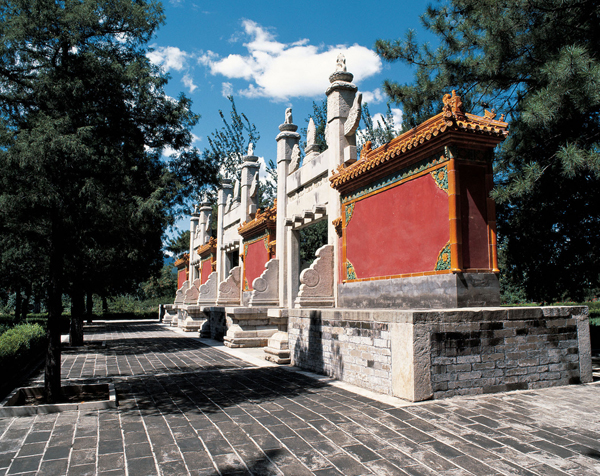
Stele Pavilion of Divine Merit and Sacred Way · 神功圣德碑亭与神路

🎧 In app
Stele Pavilion of Divine Merit and Sacred Way

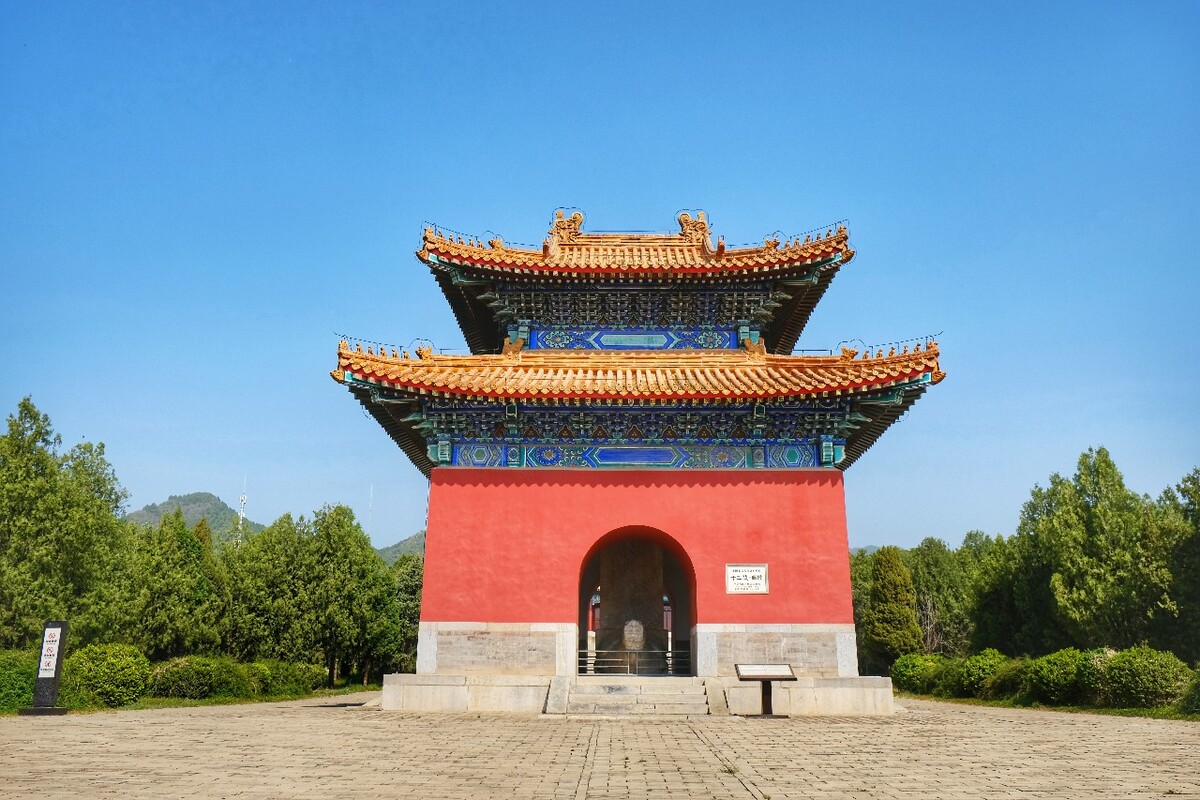
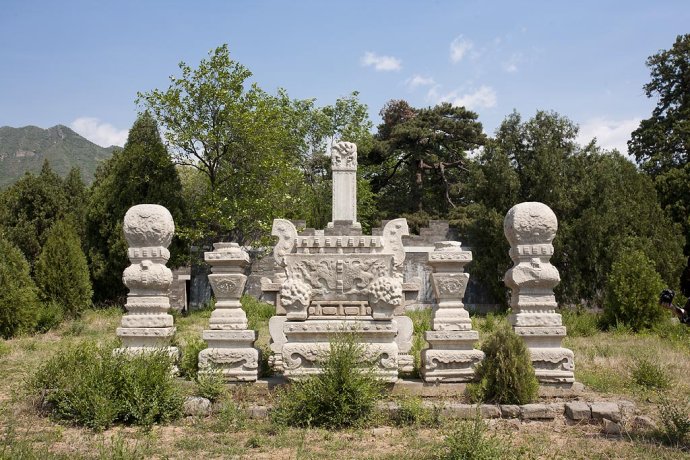
The Stele Pavilion of Divine Merit stands approximately one kilometer north of the Great Red Gate. Built in 1435 during the Xuande reign, it is a square structure with a double-eave gabled roof. Inside stands a giant stone stele 7.91 meters tall, with a dragon-carved top and an inscription composed by Emperor Renzong (Zhu Gaozhi) praising the military and civil achievements of Emperor Yongle (Zhu Di). Four marble ornamental columns, each about 10 meters tall and carved with coiled dragons and clouds, flank the pavilion's corners. The Sacred Way extends southward for about seven kilometers, serving as the central processional road to all tombs. Lined with pines and cypresses and enclosed by stone walls, it forms the central axis of the Ming Tombs layout.

Stone Statues and Dragon and Phoenix Gate · 石像生群与棂星门

🎧 In app
Stone Statues and Dragon and Phoenix Gate

The Stone Statues flank both sides of the Sacred Way, built between the Xuande and Zhengtong reigns. There are 36 figures in total: 24 stone animals (lions, xiezhi, camels, elephants, qilin, and horses, four of each, in alternating standing and kneeling postures) and 12 human figures (four nobles, four civil officials, and four military generals). Each statue is carved from a single massive stone block, with the tallest exceeding three meters. They represent the pinnacle of Ming imperial stone carving. The Dragon and Phoenix Gate (Lingxing Gate), also called the "Flame Archway," stands at the northern end of the statue group. It features three gates with six pillars topped by stone beasts and flame-shaped ornaments, symbolizing the passage of imperial souls to heaven.

Changling Tomb and Museum · 长陵与博物馆

🎧 In app
Changling Tomb and Museum

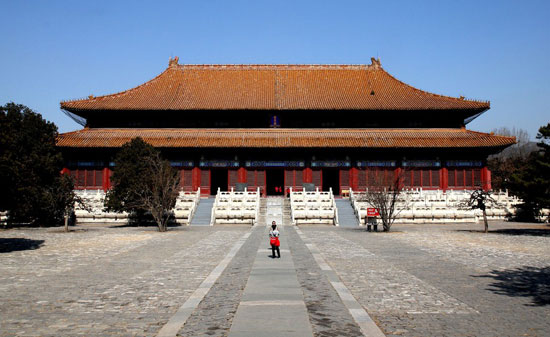
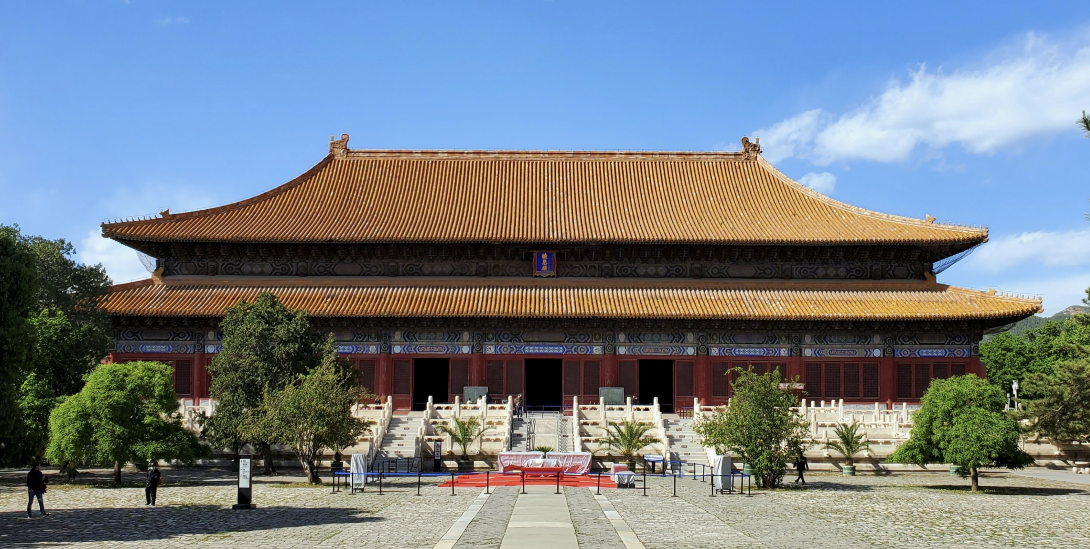
Changling is the largest, earliest, and best-preserved tomb among the Ming Tombs. Construction began in 1409 during the Yongle reign, housing Emperor Zhu Di (Yongle) and Empress Xu. The complex follows a rectangular-front-and-round-rear layout. The main hall, the Hall of Eminent Favor (Ling'en Dian), sits on a three-tiered white marble base with a double-eave hipped roof. It spans nine bays wide and five bays deep, covering 1,956 square meters. Thirty-two golden-thread nanmu pillars stand inside, with the four central columns measuring 1.17 meters in diameter and 14.3 meters in height—the largest existing nanmu pillars in China, still fragrant after over five centuries. The Changling Museum, housed within the hall, displays excavated artifacts, imperial garments, and architectural models.

Dingling Tomb and Underground Palace · 定陵与地宫

🎧 In app
Dingling Tomb and Underground Palace

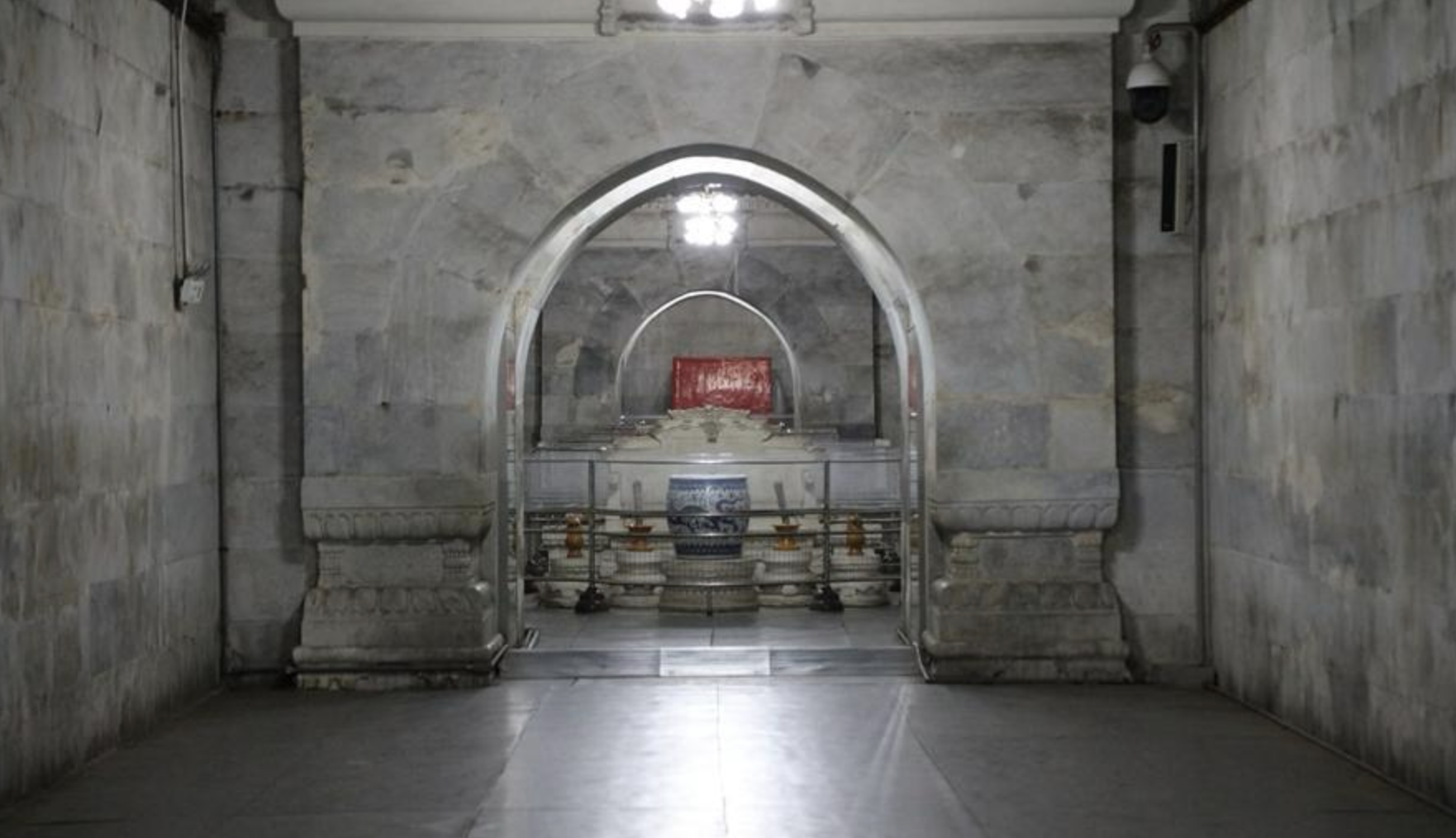
Dingling is the joint burial tomb of Emperor Zhu Yijun (Wanli) and his two empresses, constructed between 1584 and 1590. It is the only archaeologically excavated tomb among the Ming Tombs. The underground palace was excavated between 1956 and 1958. Located 27 meters below ground, it consists of five stone chambers—front, middle, rear, left, and right—covering 1,195 square meters. The entire structure is built of stone arches without beams or columns, showcasing extraordinary craftsmanship. The rear chamber contains a white marble bed holding three vermillion-lacquered coffins and 26 wooden chests, yielding nearly 3,000 artifacts including the gold crown, phoenix crowns, dragon robes, and silk textiles of national-treasure status. The underground palace maintains a constant temperature of 18–20°C year-round.

Zhaoling Tomb · 昭陵

🎧 In app
Zhaoling Tomb

Zhaoling is the joint burial tomb of Emperor Zhu Zaihou (Longqing) and his three empresses, construction beginning in 1572. It was the first tomb among the Ming Tombs to undergo large-scale restoration, allowing visitors to see the complete layout of a Ming imperial mausoleum. Its distinctive feature is the fully restored Hall of Eminent Favor and side halls. The complex follows Changling's rectangular-and-round layout but features a unique drainage system—a retaining wall and water-discharge stone channel behind the main hall found nowhere else among the Ming Tombs. Emperor Longqing reigned only six years but initiated the "Longqing Accord," ushering in a brief Ming revival. The Zhaoling Museum displays reproduced imperial garments and sacrificial vessels.

Jingling Tomb · 景陵

🎧 In app
Jingling Tomb

Jingling is the tomb of Emperor Zhu Zhanji of the Xuande reign and Empress Sun. Smaller in scale but compact in layout, its Hall of Eminent Favor uses a reduced-pillar technique to enlarge the interior, an innovation in Ming mausoleum architecture.

Kangling Tomb · 康陵

Kangling Tomb

Kangling is the tomb of Emperor Zhu Houzhao of the Zhengde reign and Empress Xia. At the westernmost end of the Ming Tombs, backed by Mount Jinling, it is surrounded by ancient pines and a notably serene landscape.

Yongling Tomb · 永陵

Yongling Tomb

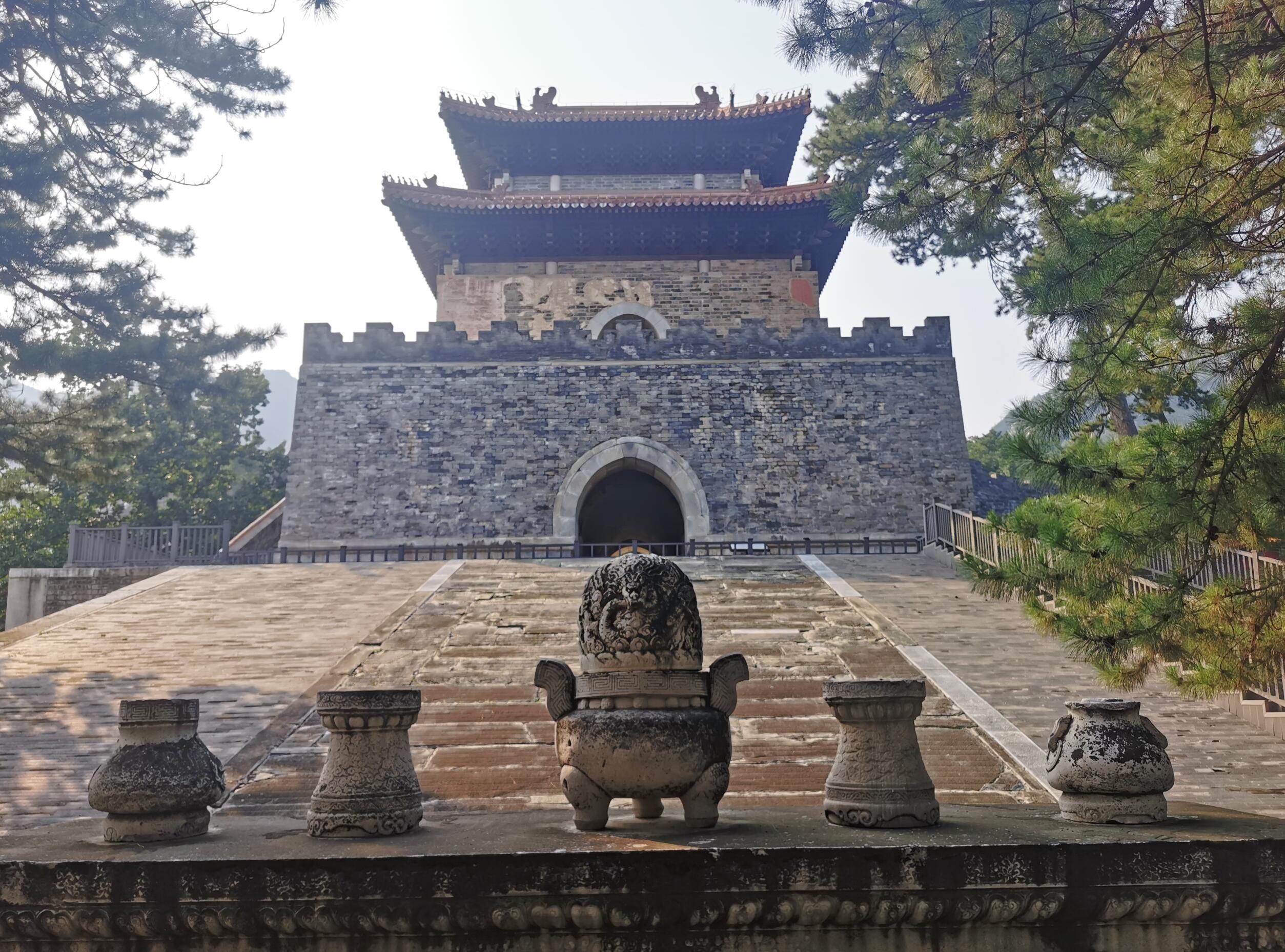
Yongling is the joint tomb of Emperor Zhu Houcong of the Jiajing reign and Empress Chen. Built over more than a decade, it is second only to Changling in scale; its 240-metre-diameter treasure-city wall and finely made Soul Tower reflect its high rank among the Ming Tombs.

Siling Tomb · 思陵

🎧 In app
Siling Tomb

Siling is the tomb of Emperor Zhu Youjian (Chongzhen), Empress Zhou, and Consort Tian. It is the smallest among the Ming Tombs. In 1644, when Li Zicheng's forces captured Beijing, Emperor Chongzhen hanged himself at Coal Hill (Jingshan), marking the fall of the Ming Dynasty. After the Qing army entered Beijing, the Qing court reinterred Chongzhen here with imperial rites. Originally Consort Tian's tomb, its scale is far smaller than the other twelve. Siling has no stele of divine merit, no stone statues, and no Soul Tower or treasure-city wall—only a simple round mound and a modest memorial hall, echoing the tragic fate of an emperor who was diligent yet lost his empire. Ancient cypresses create a solemn, melancholic atmosphere, making it a poignant place to reflect on the late Ming and a fitting conclusion to a Ming Tombs visit.

Get the app

The tool solved one problem. The app handles the whole trip.

Per-trip visa judgements, audio guides, prep checklists, and a real human concierge — offline-ready, in your language.

Download for iPhoneFree to download · No OTA upsells