← Beijing

Beijing · 国博

National Museum of China

🎫 Ticket Free
🕐 Duration 3–4 hours
🕘 Opening Hours - Tuesday to Sunday: 09:00-17:00 (last entry at 16:30) - Closed on Mondays (except for legal holidays) - Note: Visiting the National Museum requires at least 3-4 hours; if you want to visit all exhibition halls carefully, it is recommended to allow a full day; it is recommended to prioritize visiting the two major basic exhibitions "Ancient China" and "Road to Rejuvenation"; visitor flow is larger on weekends and holidays, so weekday visits are recommended
❌ Closed Closed on Mondays (except for legal holidays)
🚇 Metro Metro Line 1, Tiananmen East Station
🕘 Advance Reservation 7 Days in Advance
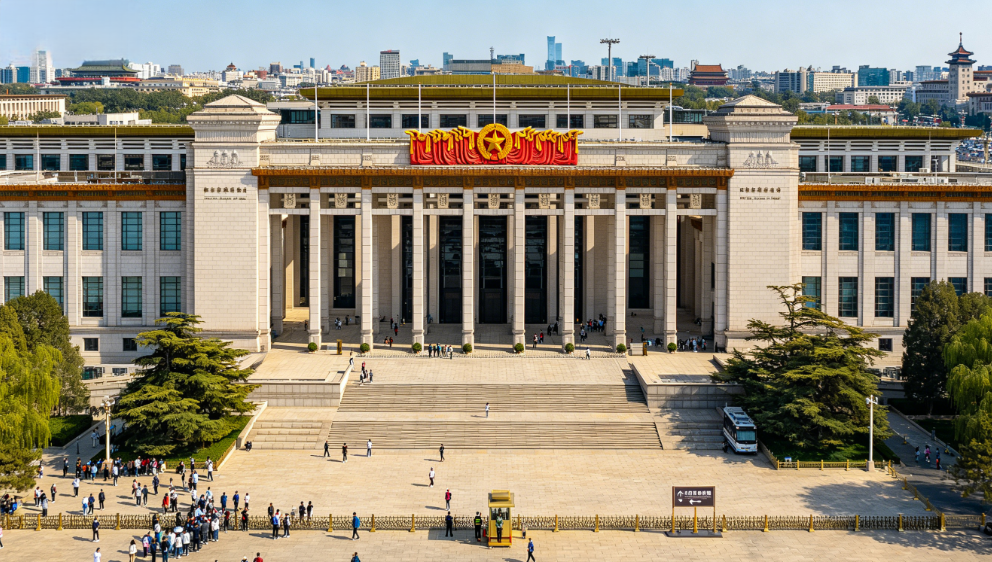
📍 Address No. 16 East Chang'an Street, Dongcheng District, Beijing (east side of Tiananmen Square, opposite the Great Hall of the People) Map ↗
⚠️ BookingAdvance reservation required
🎧 10 audio walking guides for National Museum of China — listen on the spot in the YOLO HAPPY app. →

Inside National Museum of China

Ancient China Exhibition · 古代中国陈列

🎧 In app
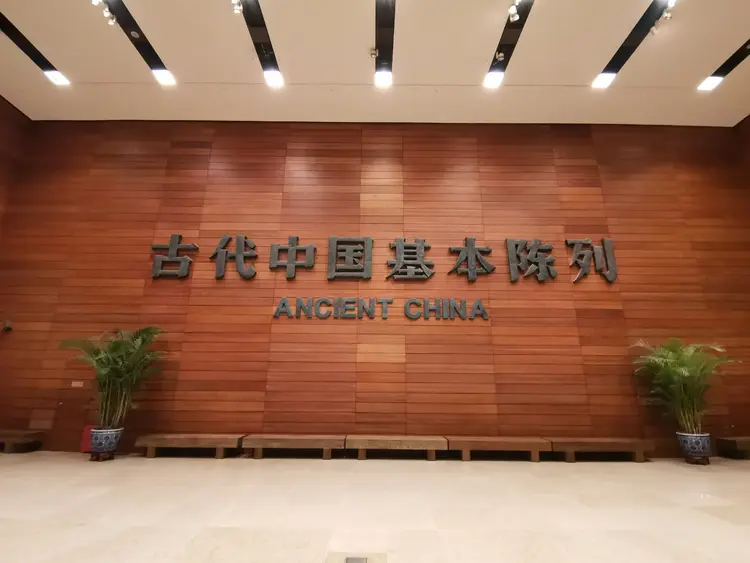
Ancient China Exhibition

The "Ancient China Exhibition" is one of the National Museum's core galleries, located on the B1 level of the North Wing and covering approximately 17,000 square metres. Organised around the succession of dynasties, it comprises eight sections: remote antiquity, Xia–Shang–Western Zhou, Spring and Autumn and Warring States, Qin and Han, Three Kingdoms through Northern and Southern Dynasties, Sui–Tang–Five Dynasties, Liao–Song–Xia–Jin–Yuan, and Ming–Qing. Over two thousand carefully selected artefacts are displayed, including bronzes, jades, ceramics, stone carvings and calligraphy. Among the signature treasures are the Houmuwu Ding, the Four-Ram Square Zun and the storytelling pottery figurine, together offering a systematic overview of the splendour and evolution of Chinese civilisation.
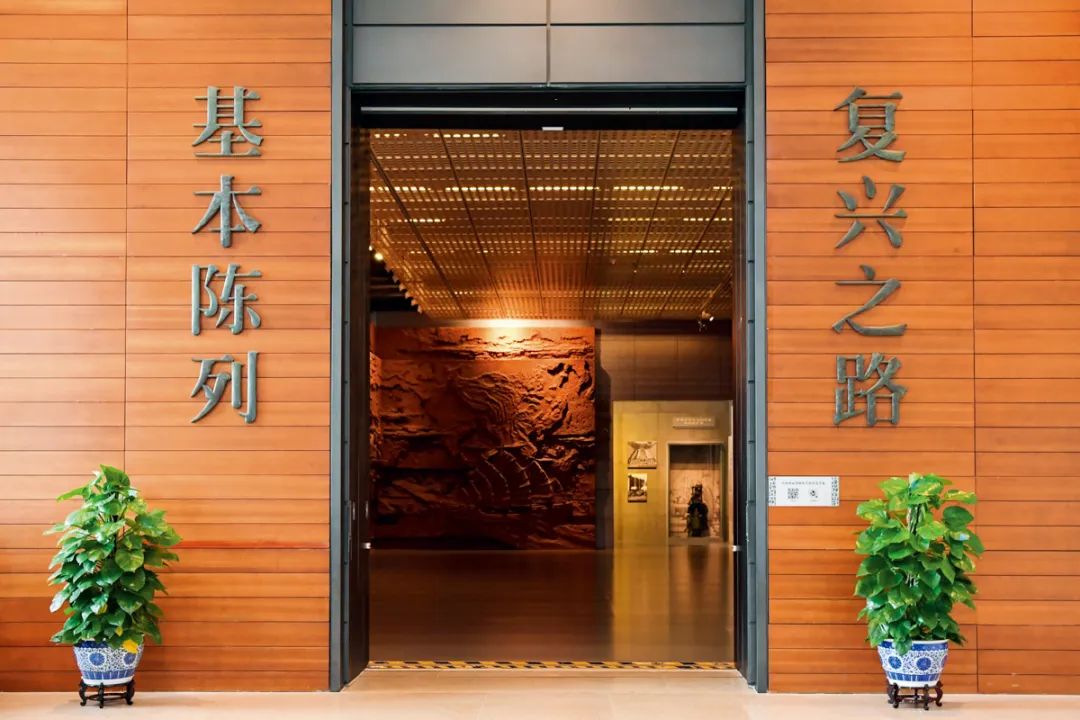
The Road of Rejuvenation · 复兴之路

🎧 In app
The Road of Rejuvenation

"The Road of Rejuvenation" is a permanent exhibition in the South Wing of the National Museum, structured in five parts: "China reduced to a semi-colonial and semi-feudal society," "Exploring paths to national salvation," "The Communist Party of China takes up the historic mission of national independence and people's liberation," "Building the new socialist China," and "Taking the path of socialism with Chinese characteristics." Through precious artefacts, historical photographs, archival documents and multimedia installations, it vividly recreates the journey of the Chinese nation from humiliation to renewal since the Opium War, serving as an essential gallery for patriotic education and a vital window into the trajectory of modern and contemporary China.

Second-Floor Special Exhibitions: The Power of Science and Technology, Red Flags Unfurled, and Dehua White Porcelain · 二层专题·科技的力量、风展红旗与德化白瓷

🎧 In app
Second-Floor Special Exhibitions: The Power of Science and Technology, Red Flags Unfurled, and Dehua White Porcelain

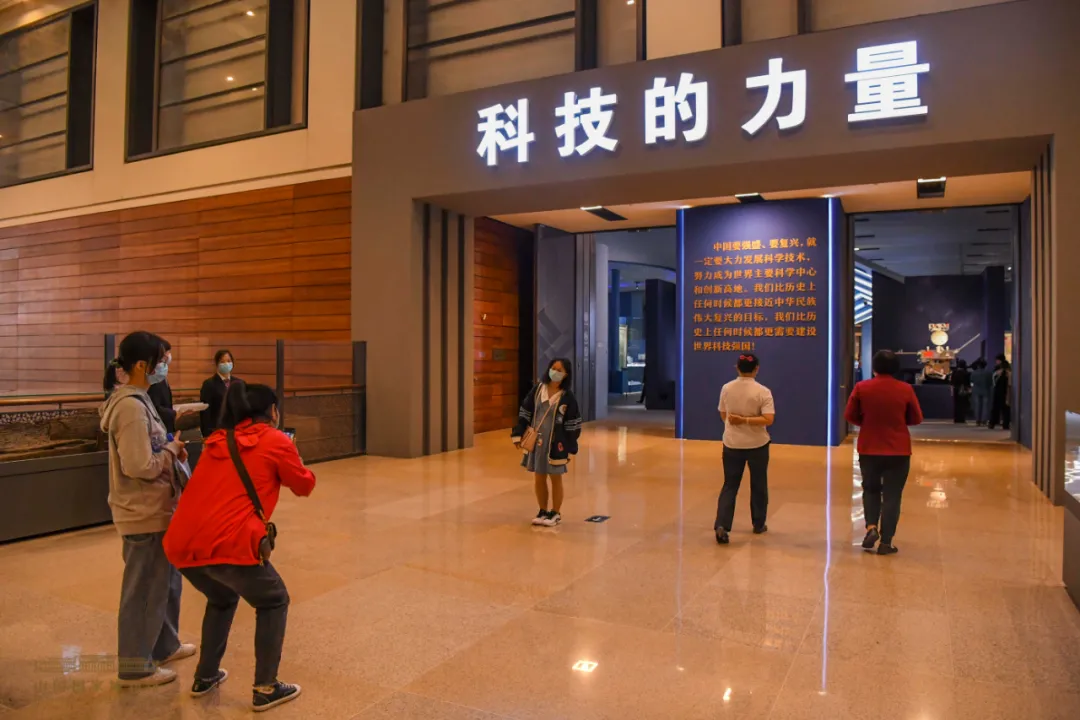
The second floor of the National Museum hosts several thematic galleries. "The Power of Science and Technology" surveys Chinese scientific and technological achievements from antiquity to the modern era, spanning astronomy, hydraulic engineering, textiles and metallurgy, and highlighting the creative ingenuity of the Chinese people. "Red Flags Unfurled" uses flags as a narrative thread, bringing together revolutionary artefacts and historical images to revisit the glorious journey of the Chinese people under the leadership of the Communist Party of China. The Dehua White Porcelain exhibition showcases masterpieces from the kilns of Dehua, Fujian, celebrated for their distinctive "China White" glaze and exquisite sculptural craftsmanship. Together, these three exhibitions create a rich and varied cultural panorama on the second floor.

Ancient Chinese Porcelain · 古代瓷器

🎧 In app
Ancient Chinese Porcelain

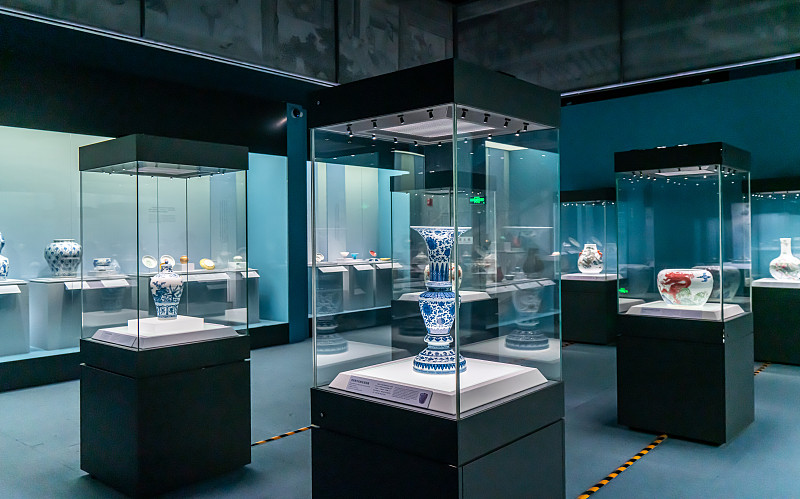
The "Ancient Chinese Porcelain" gallery presents a selection of fine porcelains arranged chronologically, tracing the complete development from proto-celadon to the masterpieces of Ming and Qing imperial kilns. The exhibition covers mature celadon of the Eastern Han, the Tang-dynasty pattern of "celadon in the south, white ware in the north," the five great Song kilns (Ru, Guan, Ge, Jun and Ding), Yuan-dynasty blue-and-white, Yongle and Xuande blue-and-white and Chenghua doucai of the Ming, and the falangcai and fencai of the Kangxi–Qianlong golden age. Each piece is accompanied by detailed interpretation—covering body and glaze techniques as well as the symbolism of decorative motifs—offering a comprehensive appreciation of Chinese porcelain as a national treasure and an ideal introduction to the history of Chinese ceramics.

Ancient Chinese Jade · 古代玉器

🎧 In app
Ancient Chinese Jade

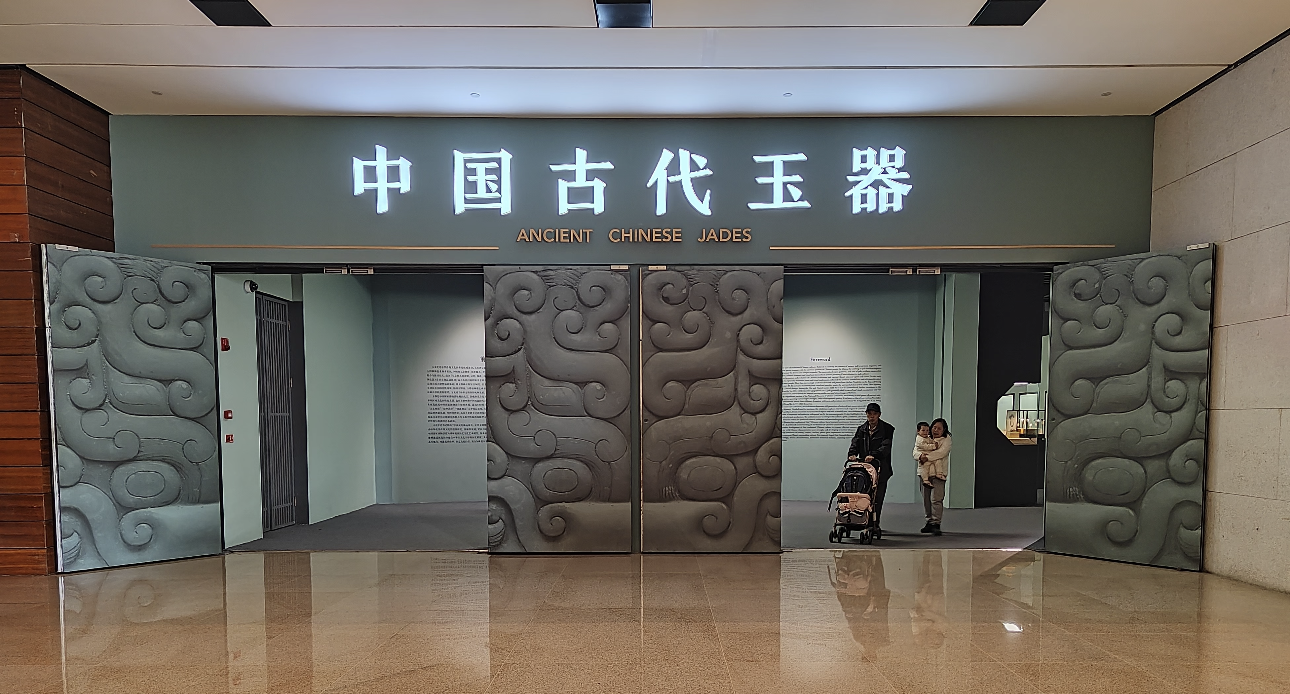
The "Ancient Chinese Jade" gallery is arranged chronologically, presenting the evolution of Chinese jade from the Neolithic period to the Qing dynasty. It opens with prehistoric jades of the Xinglongwa, Hongshan and Liangzhu cultures, illustrating jade's central role in the origins of Chinese civilisation. It continues with ritual and funerary jades of the Shang and Zhou, exquisite jade pendants of the Spring and Autumn and Warring States periods, the jade burial suit of the Han dynasty, Tang ornaments, Song archaistic jades, the Yuan "Dushan Great Jade Sea," Ming Zi-gang plaques, and the Qing "Yu the Great Taming the Waters" jade boulder from the Qianlong reign. The exhibition explores not only the craftsmanship of jade but also its profound symbolism in Chinese culture, where jade embodies the virtues of the noble personage.

Ancient Chinese Coins and Bronze Mirrors · 古代钱币与铜镜

🎧 In app
Ancient Chinese Coins and Bronze Mirrors

The "Ancient Chinese Coins" gallery follows a chronological thread, displaying pre-Qing currencies such as cowrie, spade, knife and round coins through to the Qin Banliang, Han Wuzhu, Tang Kaiyuan Tongbao, Song-dynasty Jiaozi paper money, and Ming–Qing silver ingots and machine-struck coins, comprehensively reflecting the evolution of China's monetary and economic systems. The "Ancient Chinese Bronze Mirrors" gallery runs from Qiijia-culture mirrors to those of the Qing dynasty, illustrating developments in bronze alloys, back decoration and inscriptions across the ages. Combining utility with artistry, these mirrors distil ancient aesthetics and technology into a few centimetres of bronze. Together, the two galleries paint a vivid picture of ancient economy and everyday life.

Ancient Chinese Buddhist Sculpture · 古代佛造像

🎧 In app
Ancient Chinese Buddhist Sculpture

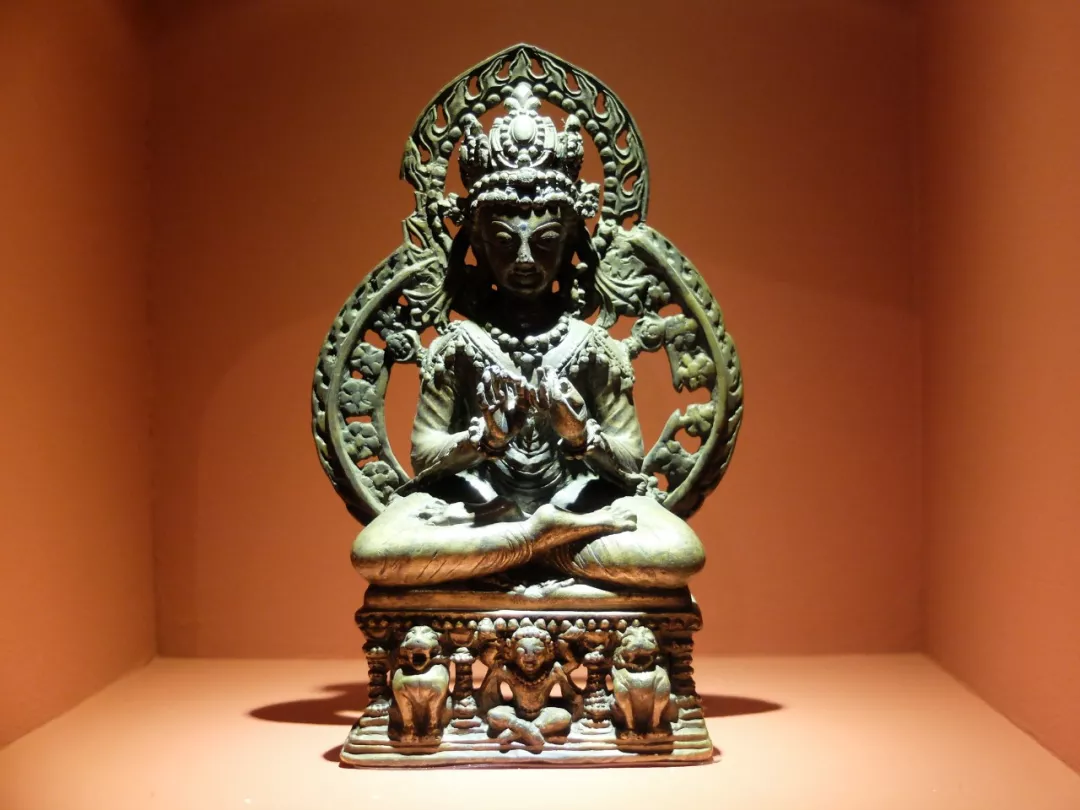
The "Ancient Chinese Buddhist Sculpture" gallery brings together masterpieces from the National Museum's collection, tracing the development of Buddhist art in China from its introduction in the Eastern Han through the Wei, Jin, Northern and Southern Dynasties, Sui, Tang, Song, Yuan, Ming and Qing. The exhibition is organised by medium—stone, gilt bronze and ceramic—highlighting the solemnity of Northern Dynasties sculpture, the slender elegance of Southern Dynasties figures, the magnificence of Tang imagery and the worldly style of the Song. Works include standing stone Buddhas in the manner of the Yungang, Longmen and Maijishan grottoes, gilt-bronze Buddhas and bodhisattva figures. Together they demonstrate consummate carving skills and vividly illustrate the creative exchange between Buddhist culture and Chinese tradition.

Ancient Chinese Costume and Food Culture · 古代服饰与饮食文化

🎧 In app
Ancient Chinese Costume and Food Culture

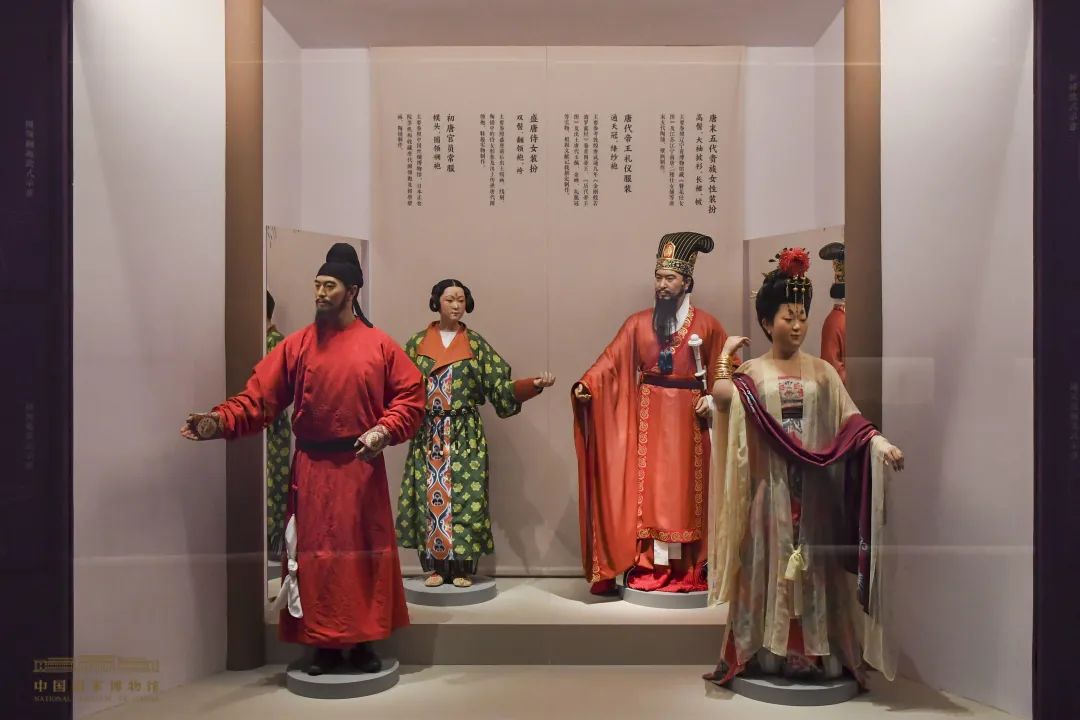
The "Ancient Chinese Costume" gallery is arranged chronologically, presenting the complete clothing system from animal hides in primitive society to the formal attire of Ming and Qing officials, including Han and Tang silk embroidery, Song and Yuan robes, and Ming and Qing rank badges and headwear, vividly recreating the evolution of styles and the hierarchies of ritual they embodied. The "Ancient Chinese Food Culture" gallery begins with Neolithic pottery cooking vessels and displays food, wine and tea wares across the dynasties, tracing the journey from raw food to refined cuisine, and from bronze ritual vessels of the pre-Qin era to the tableware of the Qing imperial kitchen. Read together, the two exhibitions offer an all-round portrait of the aesthetics and ritual culture of everyday life in ancient China.

The Digitised Rhinoceros Zun and Qing-Dynasty Calligraphy and Painting · 数说犀尊与清代书画

🎧 In app
The Digitised Rhinoceros Zun and Qing-Dynasty Calligraphy and Painting

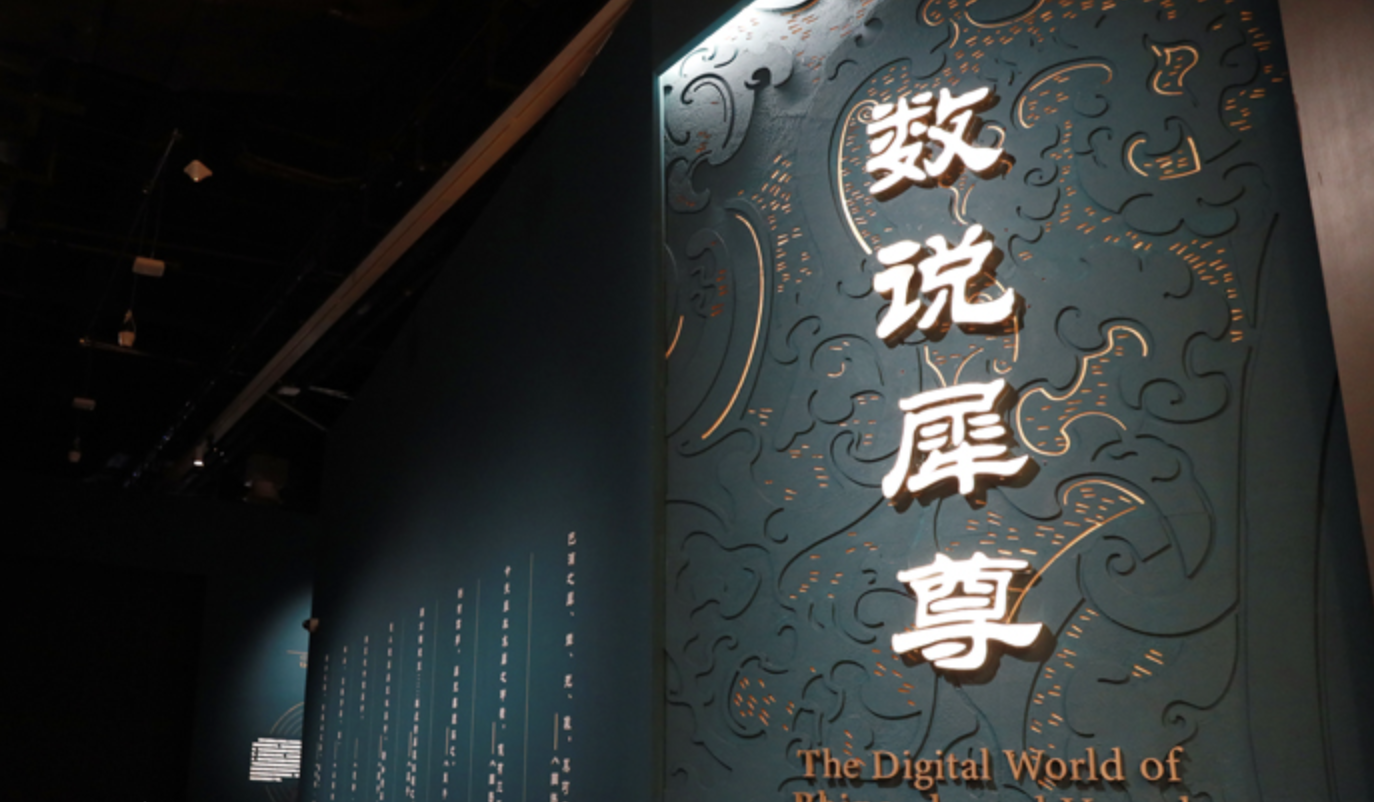
"The Digitised Rhinoceros Zun" exhibition centres on the Western Han gilt-silver cloud-pattern bronze rhinoceros zun, employing 3-D scanning, digital-twin and augmented-reality technologies to decode the casting technique, sculptural artistry and cultural significance of this national-treasure artefact. Through interactive installations, visitors can examine the zun from every angle and learn about the ecology of ancient rhinoceroses and Han bronze-casting skills, establishing a new paradigm for digital cultural-heritage display. The "Qing-Dynasty Calligraphy and Painting" gallery features works by the early-Qing "Four Wangs" and "Four Monk" painters, the mid-Qing "Eight Eccentrics of Yangzhou" and late-Qing Shanghai-school masters, illustrating the diversity and lineage of Qing-dynasty painting and calligraphy and offering a feast for the eyes and the mind.

Wax Figures of Heroes and Models (Epilogue) · 英模蜡像(结束语)

🎧 In app
Wax Figures of Heroes and Models (Epilogue)

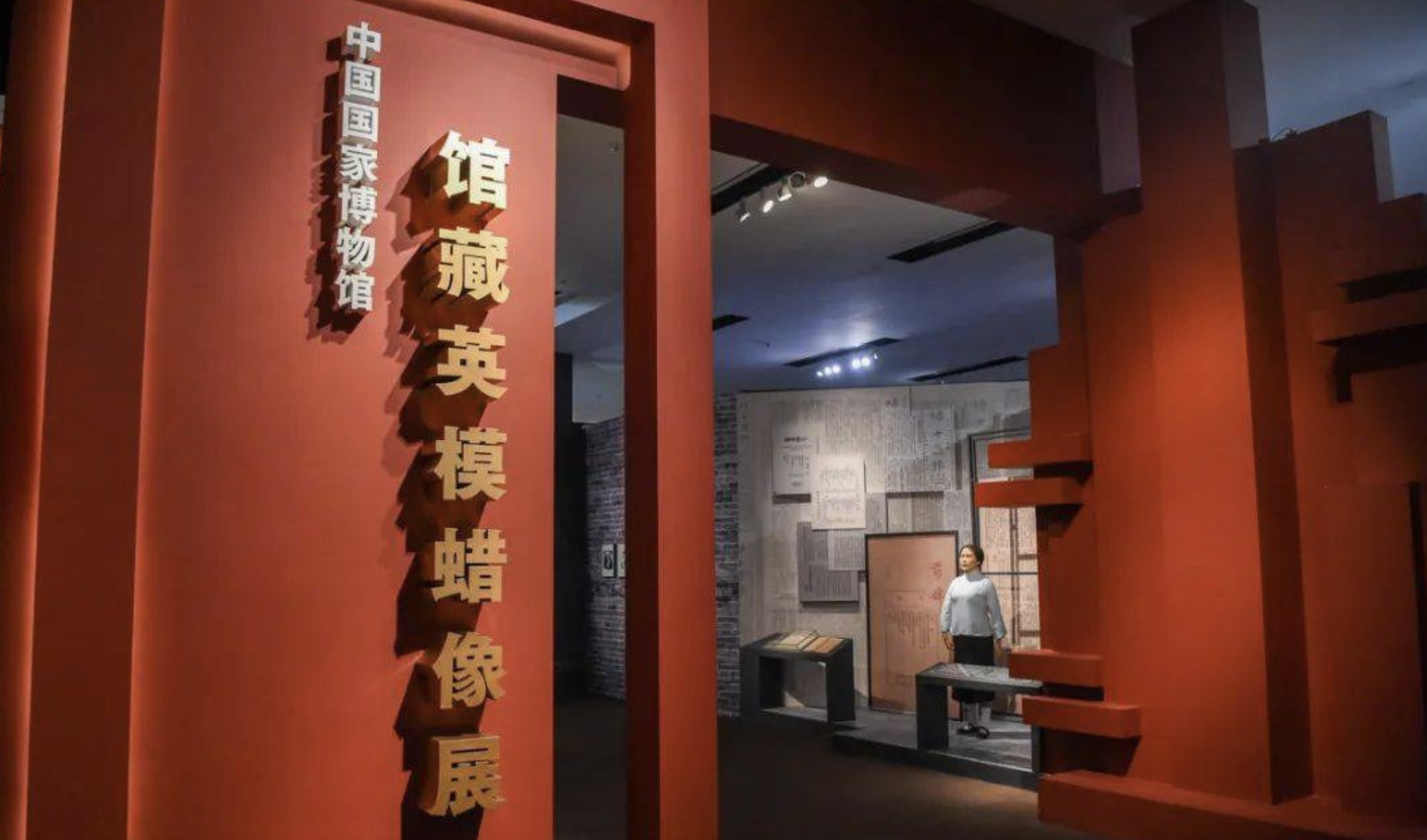
The "Wax Figures of Heroes and Models" gallery stands at the close of the visitor route, using realistic wax portraiture to bring exemplary figures from different eras to life. The lifelike figures encompass revolutionary martyrs, scientists, model workers and exemplary contemporaries, set amid scene reconstructions and multimedia interactions that allow visitors to feel the power of their spirit in an immersive atmosphere. As the "epilogue" to the museum visit, this gallery gathers the grand sweep of history into the warmth of individual lives, inviting visitors to converse face to face with historical figures before they leave, completing a journey through time in a spirit of emotion and respect and leaving a deep and warm memory of the whole museum experience.

Get the app

The tool solved one problem. The app handles the whole trip.

Per-trip visa judgements, audio guides, prep checklists, and a real human concierge — offline-ready, in your language.

Download for iPhoneFree to download · No OTA upsells