← Beijing

Beijing · 恭王府

Prince Gong's Mansion

🎫 Ticket 40 RMB
🕐 Duration 1.5–2 hours
🕘 Opening Hours 08:30–17:00
🚇 Metro Metro Line 6, Beihai North Station
📍 Address No. 17 Qianhai West Street, Xicheng District, Beijing (Shichahai area, west side of Di'anmen Outer Street) Map ↗
⚠️ BookingAdvance reservation required
🎧 11 audio walking guides for Prince Gong's Mansion — listen on the spot in the YOLO HAPPY app. →

Inside Prince Gong's Mansion

Palace Gate · 宫门

🎧 In app
Palace Gate

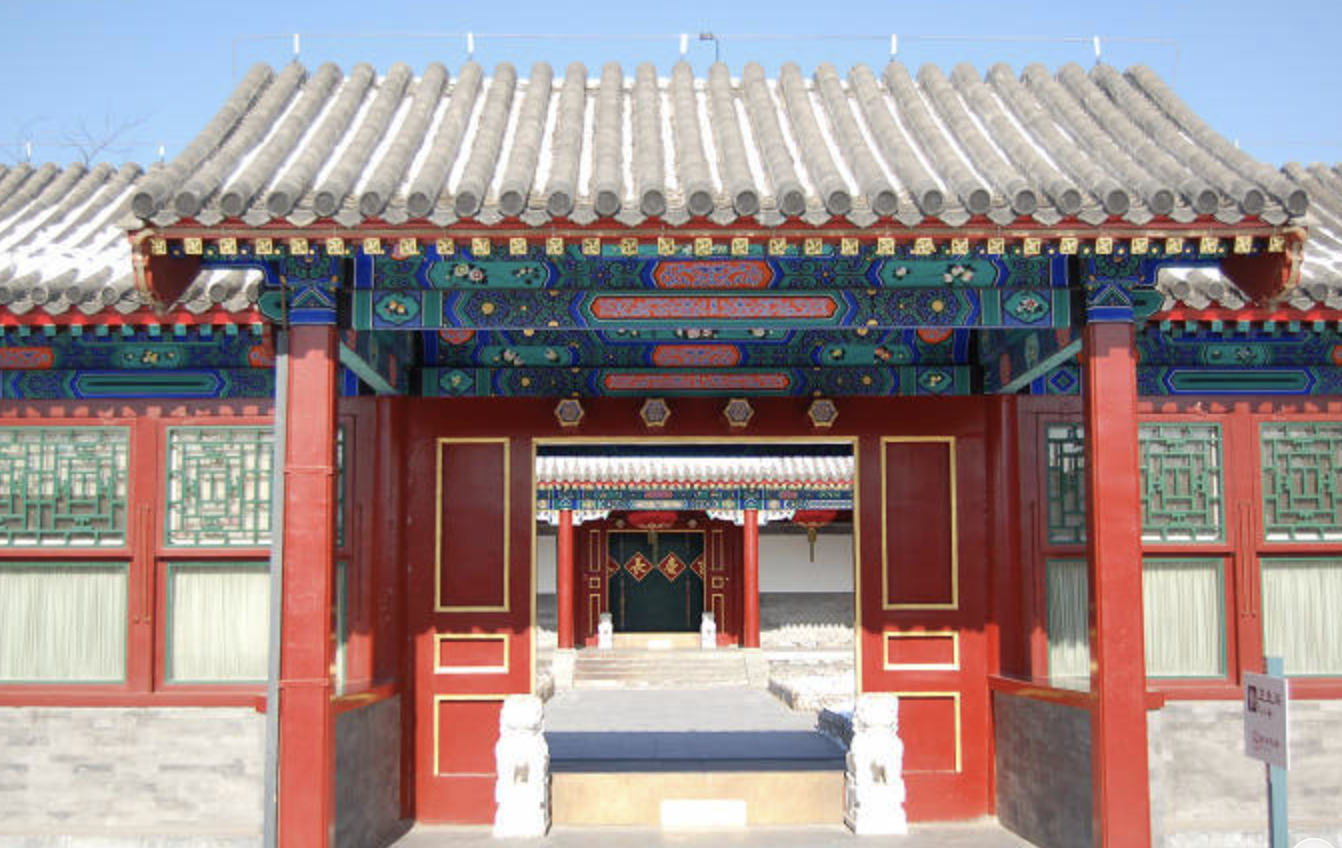
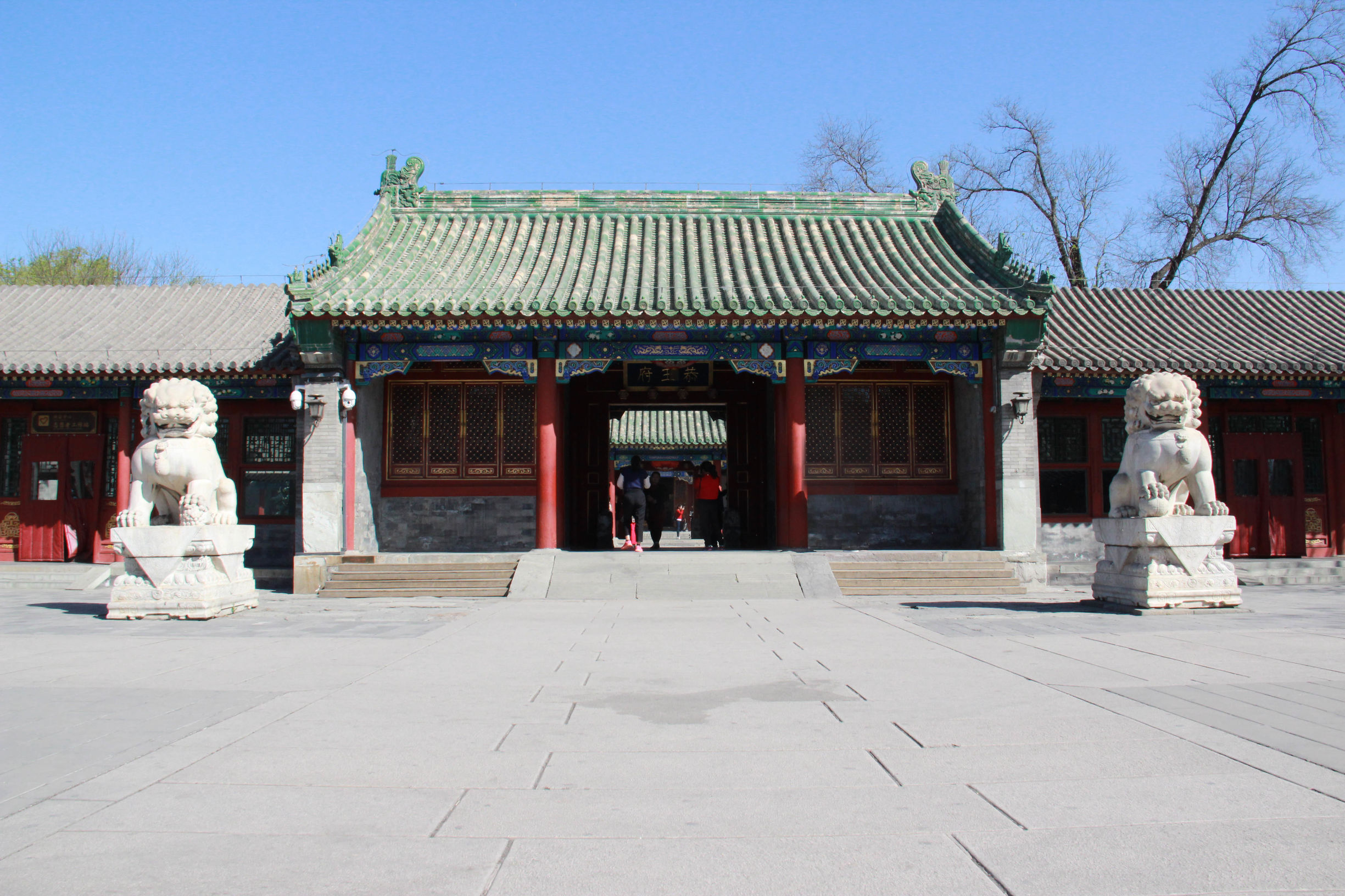
The Palace Gate is the formal entrance to Prince Gong's Mansion, built in the mid-to-late Qing Dynasty. It spans three bays with a gable-and-hip roof covered in green glazed tiles, and its door nails are arranged in nine vertical and seven horizontal rows, conforming to the specifications for a prince of the first rank. A pair of stone lions once stood guard before the gate, symbolizing the nobility of the residence. Flanking the gate are screen walls with exquisite brick carvings featuring auspicious patterns. Stepping through the Palace Gate, visitors enter the grand compound that witnessed the rise and fall of Heshen and Prince Gong Yixin across multiple reigns, feeling the weight of history that has accumulated over more than two centuries.
Yin'an Hall and Jiale Hall · 银安殿与嘉乐堂

🎧 In app
Yin'an Hall and Jiale Hall

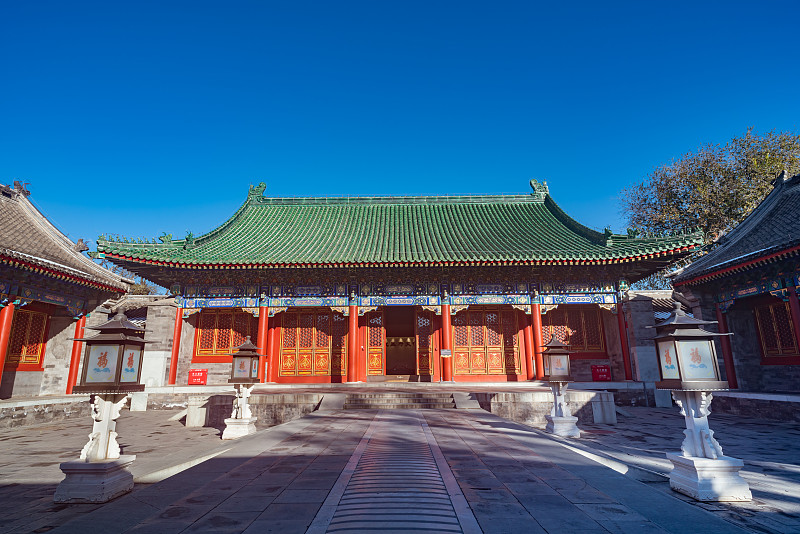
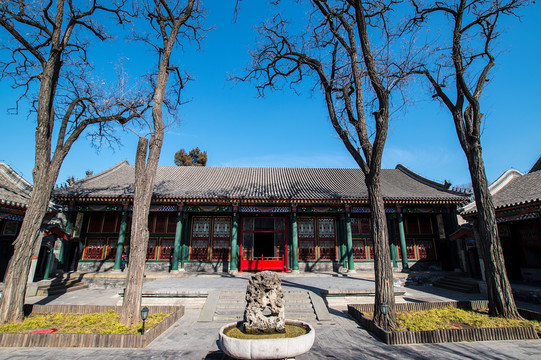
Yin'an Hall is the architectural centerpiece of the mansion's central axis, serving as the venue for the prince's administrative affairs, receptions, and major ceremonies. It spans seven bays with a green-tiled gable-and-hip roof, and its spacious front platform ranks just below the Hall of Supreme Harmony in the imperial palace. The interior was once luxuriously furnished. Behind it stands Jiale Hall, an important living and banqueting space whose name evokes "virtuous words and harmonious joy." Jiale Hall once housed a vast collection of precious antiques, calligraphy, and paintings, making it the cultural heart of the mansion. The two halls form the most solemn architectural sequence on the central axis, reflecting the classic Qing Dynasty princely layout of "front hall, rear quarters."

Baoguang Chamber and Xijin Studio · 葆光室与锡晋斋

🎧 In app
Baoguang Chamber and Xijin Studio

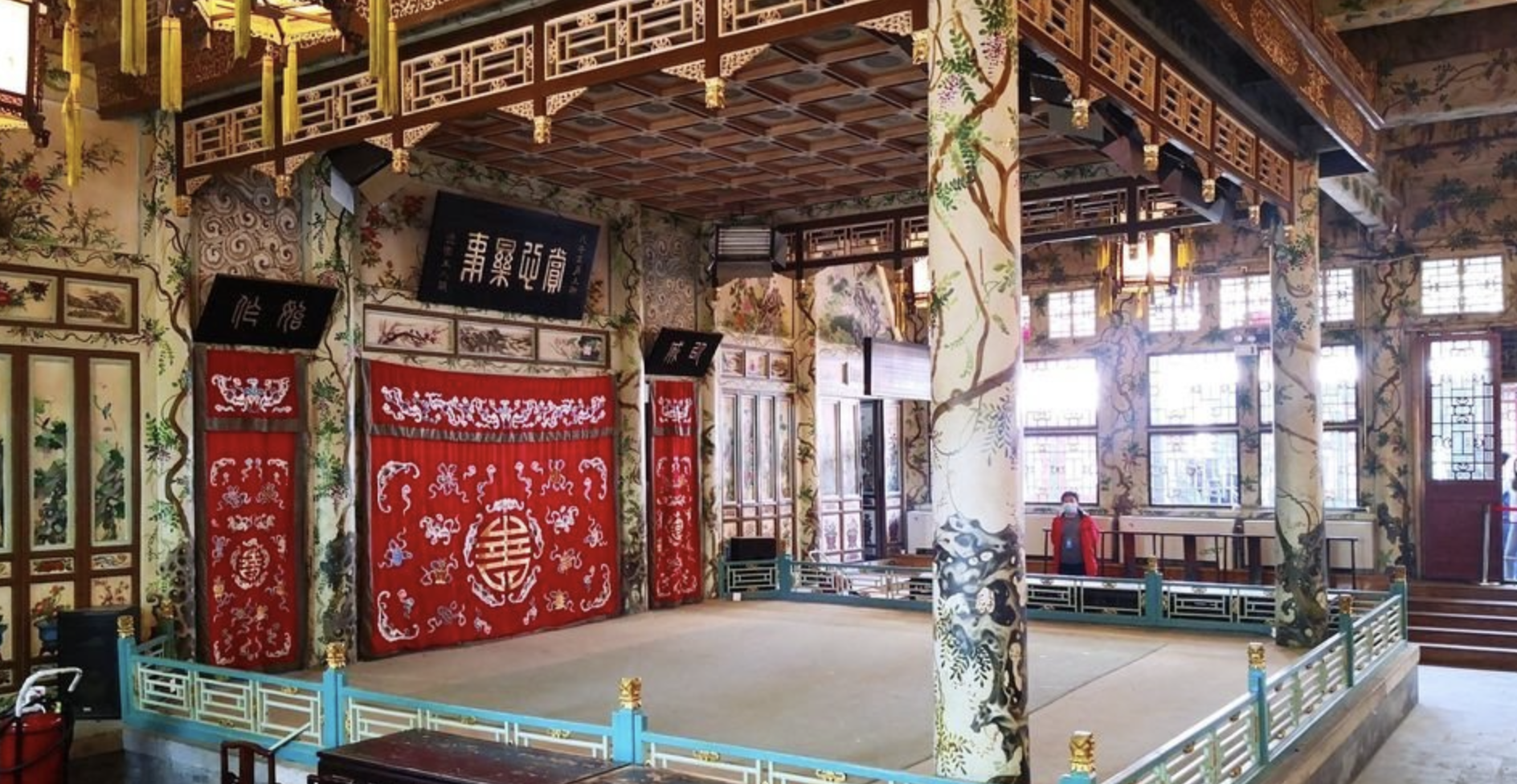
Baoguang Chamber, located in the western compound, takes its name from the Zhuangzi concept of "harbored light," symbolizing restraint and inner brilliance. It served as a space for quiet study and meditation, with elegant interior decorations and exquisitely carved wooden partitions. Xijin Studio is one of the most legendary buildings in the mansion, said to have been built by Heshen in imitation of the Palace of Tranquil Longevity in the Forbidden City. Its interior features a golden-thread nanmu wood mezzanine with fully carved surfaces of extraordinary luxury, which later became one of the charges against Heshen for overstepping his rank. Prince Gong Yixin subsequently stored Lu Ji's famous "Pingfu Tie" calligraphy scroll here, giving the studio its name. Together, the two buildings—one serene, one opulent—reveal the dual character of scholarly refinement and powerful grandeur that defines the mansion.

Rear Cover Building · 后罩楼

🎧 In app
Rear Cover Building

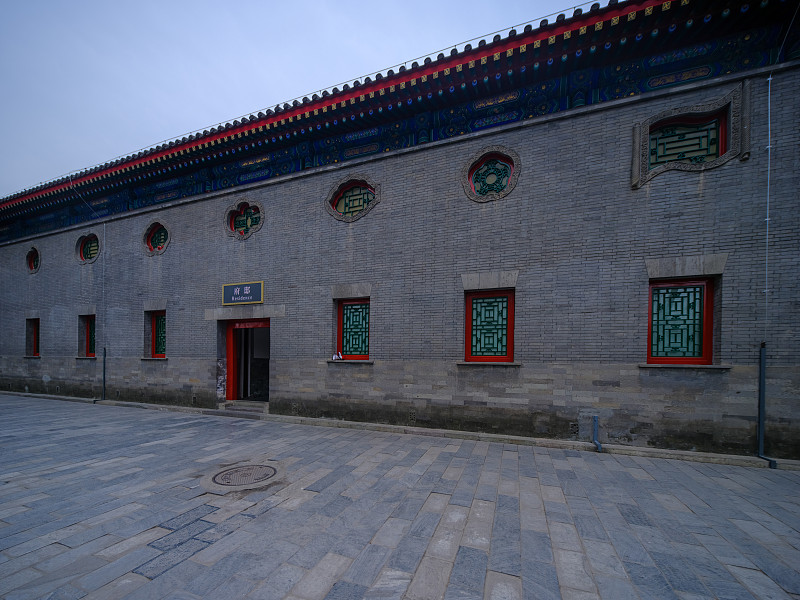
The Rear Cover Building is one of the most striking structures in Prince Gong's Mansion. Stretching approximately 180 meters from east to west with over forty rooms on two levels, it spans the entire northern boundary of the residence like a barrier separating the living quarters from the garden behind. Legend holds that this was Heshen's treasure house, with hidden compartments and niches in each room storing gold, silver, jewels, and precious artifacts. When Heshen was arrested, the wealth confiscated from this building was staggering, giving rise to the popular saying "When Heshen falls, Jiaqing is full." The building features massive walls and windows of varied shapes—some square, some round—serving both decorative and practical purposes of ventilation and security. Walking beneath it and gazing up at the continuous facade, one can almost feel the overwhelming ambition of the once all-powerful Heshen.

Western-Style Gate and Dule Peak · 西洋门与独乐峰

🎧 In app
Western-Style Gate and Dule Peak

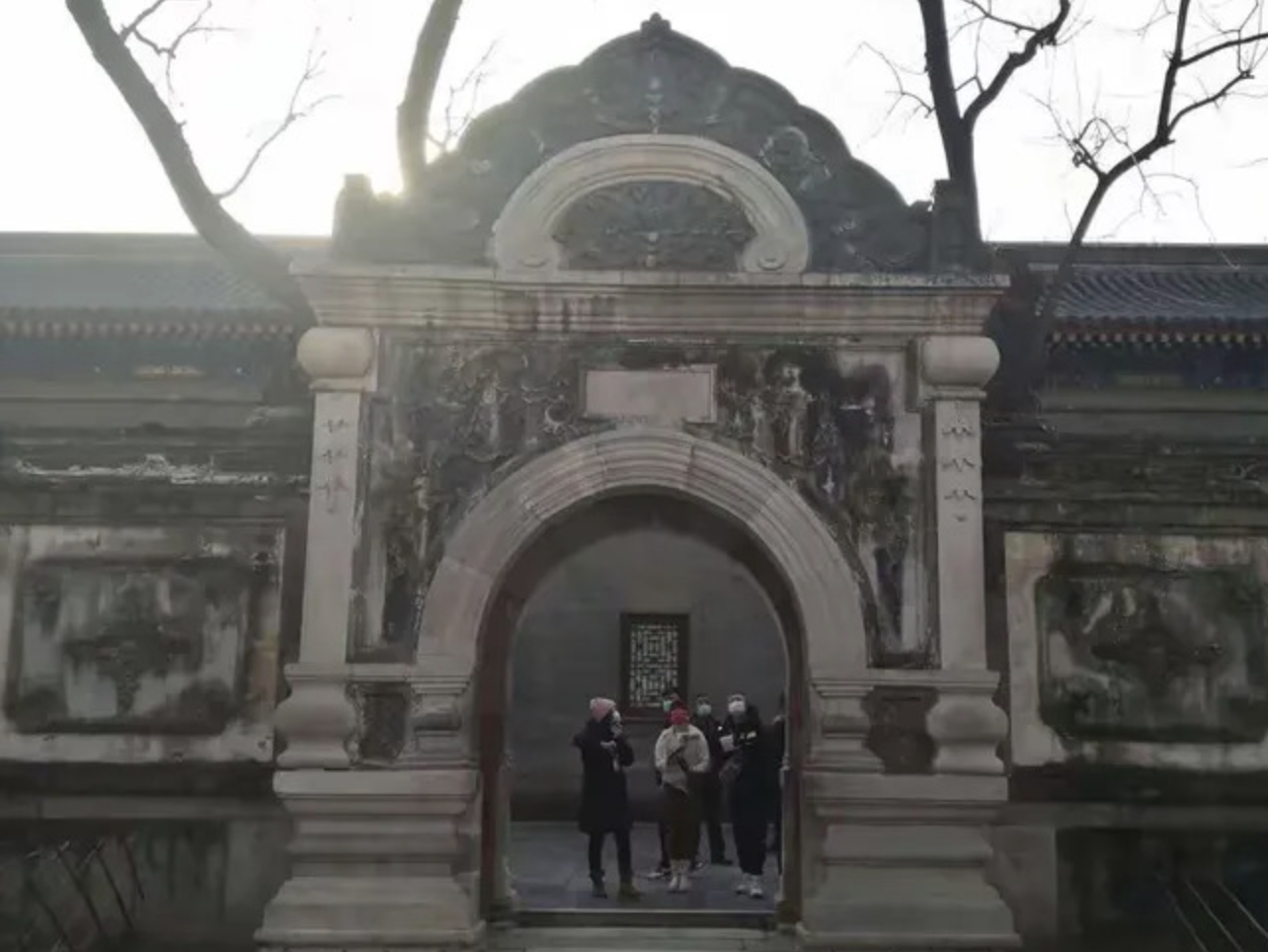
The Western-Style Gate is the main entrance to Cuijin Garden, the garden of Prince Gong's Mansion. Constructed from carved white marble, its arch combines Baroque-style elements with traditional Chinese decorative motifs—an extraordinary rarity among Qing Dynasty princely residences, said to reflect Heshen's fondness for exotic Western aesthetics. The gate's lintel bears four characters reading "Tranquility Harbors Antiquity," evoking a timeless serenity. Just beyond the gate stands Dule Peak, a natural Taihu stone rising about five meters high with a craggy, dramatic form. From the front, it resembles a Guanyin bestowing children; from the back, a leaping carp. The name "Dule" means "enjoying solitude," suggesting a retreat where scholars savor the pleasures of nature alone. A pool beneath the stone creates delightful reflections, forming the garden's first scenic vista that calms the spirit before one even enters.

Bat Pool and Anshan Hall · 蝠池与安善堂

🎧 In app
Bat Pool and Anshan Hall

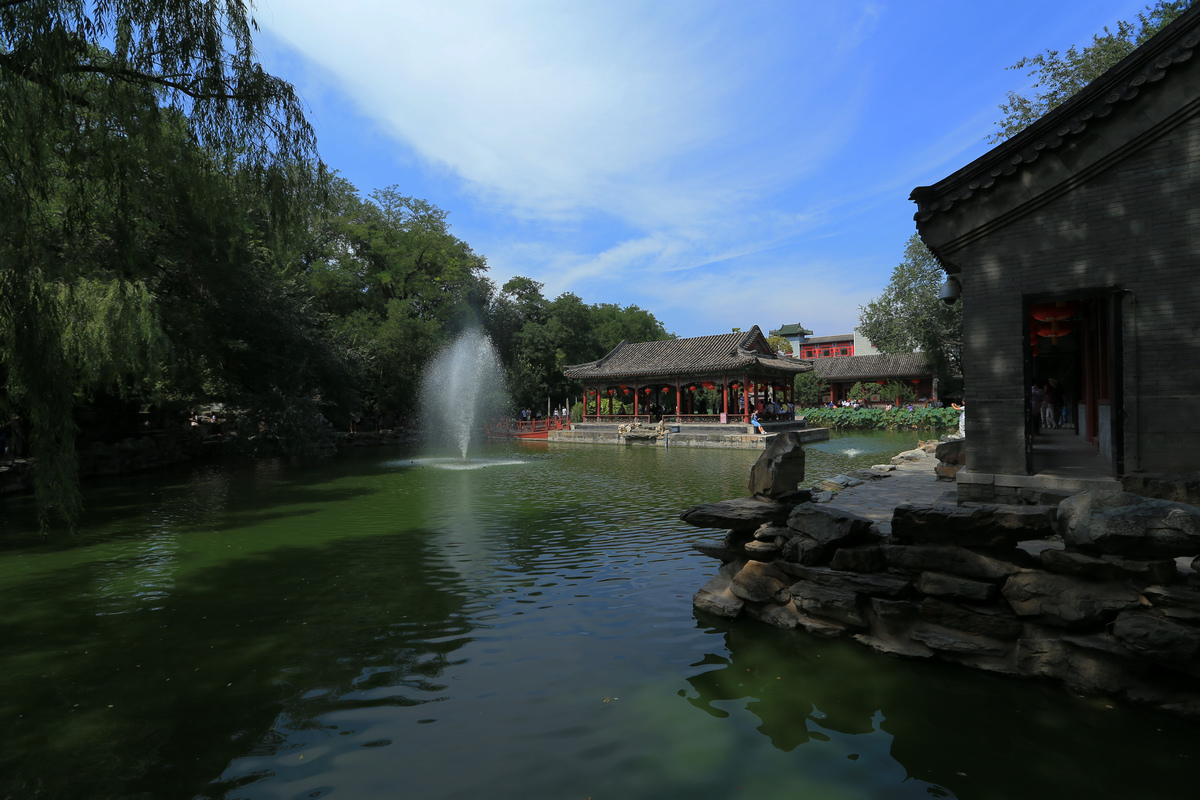
Bat Pool is the central water feature of the mansion's garden, named for its shape resembling a bat with outstretched wings. In Chinese culture, the word for bat is homophonous with the word for fortune, making the bat a powerful symbol of blessings. Elms were originally planted along the pool because their name sounds like the word for surplus, conveying wishes for abundance year after year. The pool's clear waters reflect the sky and clouds in all seasons, while koi swim among the lily pads. To the north stands Anshan Hall, whose name means "dwelling in virtue," an elegant space for receiving guests, sipping tea, and composing poetry. With water before it and hill behind, the hall seamlessly integrates architecture and nature, embodying the supreme ideal of Chinese classical gardens—"though made by human hands, it seems born of nature itself."

Winding Cup Pavilion, Bamboo Courtyard, and Peony Garden · 流杯亭、竹子院与牡丹园

🎧 In app
Winding Cup Pavilion, Bamboo Courtyard, and Peony Garden

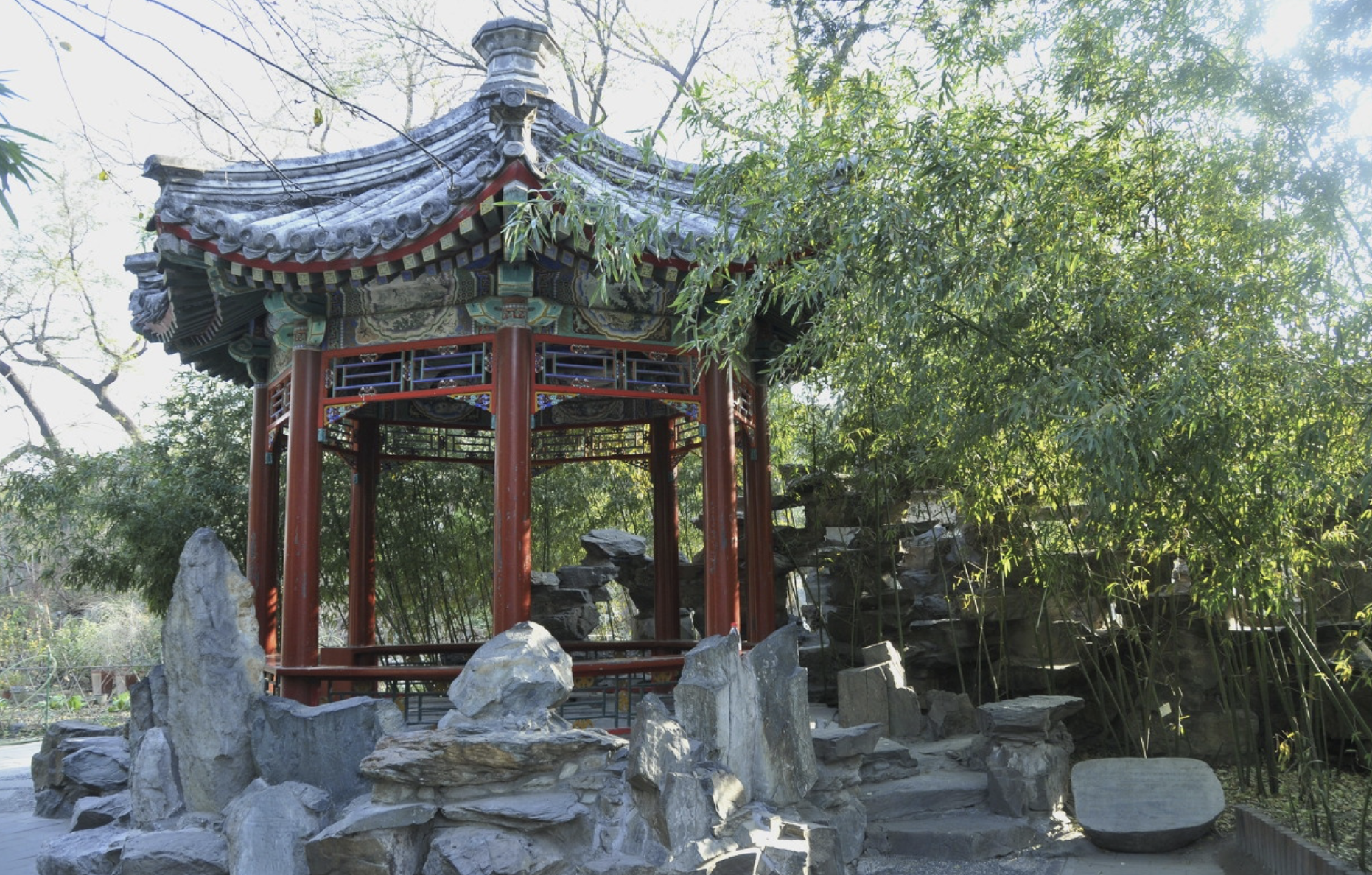
The Winding Cup Pavilion is the most literary and refined structure in the garden. Its stone floor is carved with a water channel shaped like the Chinese character for longevity. Water flows through the channel, and wine cups float downstream—wherever a cup stops, the person before it drinks and composes a poem. This is the ancient elegant pastime of "winding stream party," originating from Wang Xizhi's famous gathering at the Orchid Pavilion. The Bamboo Courtyard nearby is filled with tall bamboo creating a tranquil, secluded atmosphere; when the wind passes through the treetops, the rustling leaves transport visitors to a Jiangnan landscape. The Peony Garden cultivates numerous rare varieties of peonies. Every April and May, the flowers bloom in a spectacular display—golden Yao Yellow, purple Wei Purple, pink Zhao Pink, and green Dou Green—each vying in beauty and grandeur. The three sites progress from literary elegance to serene seclusion to brilliant splendor, each with its own distinct charm.

Yishen Chamber and Bat Hall · 怡神所与蝠厅

🎧 In app
Yishen Chamber and Bat Hall

Yishen Chamber is a tranquil retreat for cultivating the spirit, nestled among towering ancient trees with deep shade and a serene atmosphere. Its name means "nourishing the mind and spirit," and it was the ideal place for the mansion's master to rest in solitude and restore body and soul. Its architectural layout is ingeniously integrated with the surrounding landscape of rocks, water, and plants. Bat Hall is a uniquely shaped building whose floor plan resembles a bat with outstretched wings, hence its name. It echoes the Bat Pool and reinforces the theme of good fortune. The interior is finely decorated, and the painted beams and brackets are well preserved, making it an important example for the study of Qing Dynasty architectural ornamentation. Tucked away in the deepest part of the garden, the hall offers visitors a sense of sudden revelation—a magnificent finale to the garden tour.

Path to the Clouds, Moon-Inviting Terrace, Emerald Rock, and the "Fu" Stele · 平步青云路、邀月台、滴翠岩与福字碑

🎧 In app
Path to the Clouds, Moon-Inviting Terrace, Emerald Rock, and the "Fu" Stele

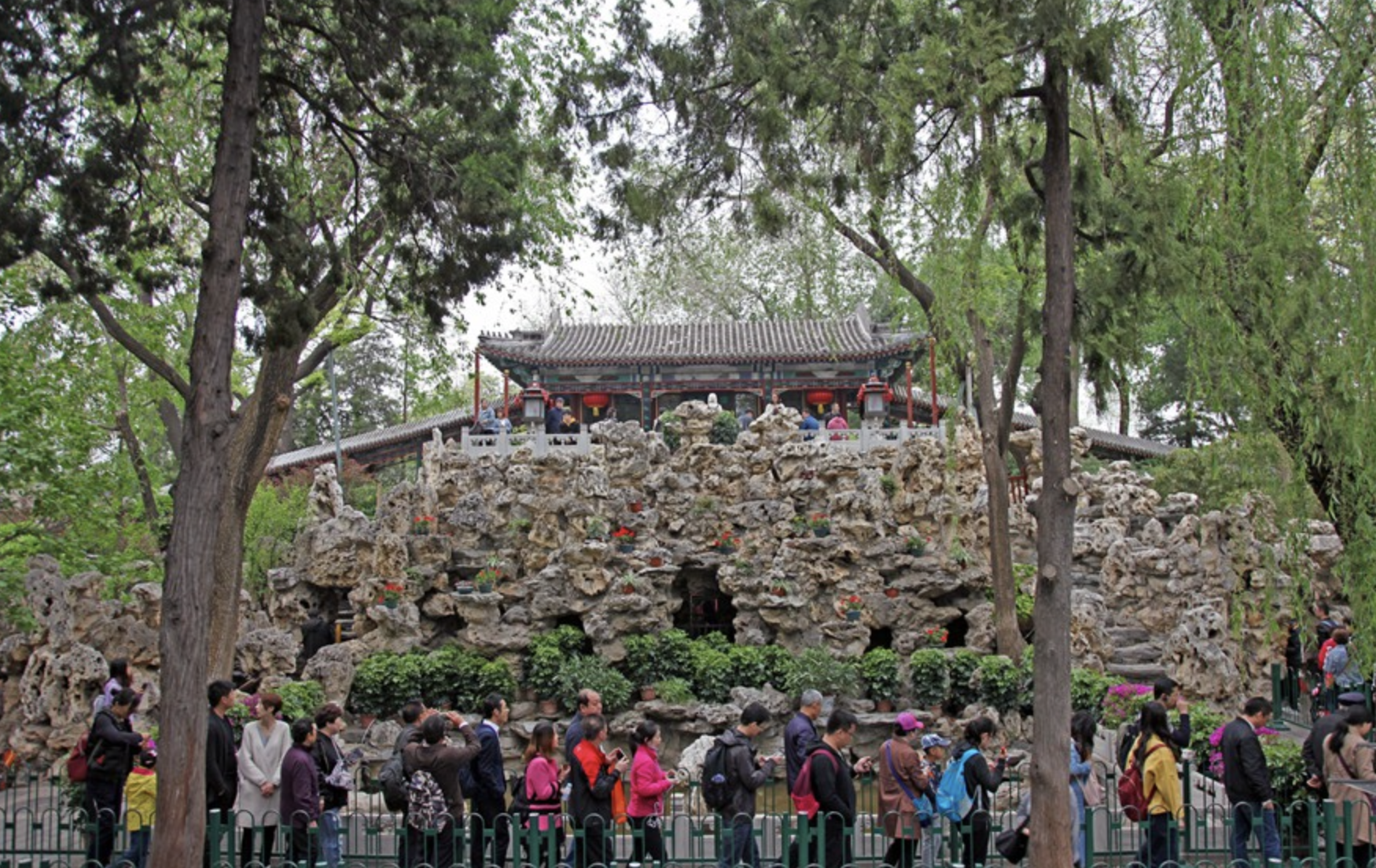
The Path to the Clouds is a stone-paved walkway built through layered rocks, winding upward with the auspicious meaning of "rising smoothly to the clouds," symbolizing a successful career and rising status. At the top lies the Moon-Inviting Terrace, named after Li Bai's poem "I raise my cup to invite the moon," offering the finest spot for moon-viewing and panoramic vistas of the entire garden. Below the terrace stands Emerald Rock, a massive Taihu stone rockery with craggy surfaces draped in green vines and interior passages for exploration. Deep within the rockery lies the famous "Fu" (Fortune) stele, believed to be the handwritten calligraphy of Emperor Kangxi, executed with vigorous strokes and imposing grandeur. The character can be decomposed into four meanings—"many sons, many talents, many fields, and long life"—earning it the title "The Greatest Fortune Under Heaven." It is the treasure of Prince Gong's Mansion and a must-visit pilgrimage site for those seeking blessings.

Square Pond Pavilion, Miaoxiang Pavilion, Dragon King Temple, and Archery Range · 方塘水榭、妙香亭、龙王庙与箭道

🎧 In app
Square Pond Pavilion, Miaoxiang Pavilion, Dragon King Temple, and Archery Range

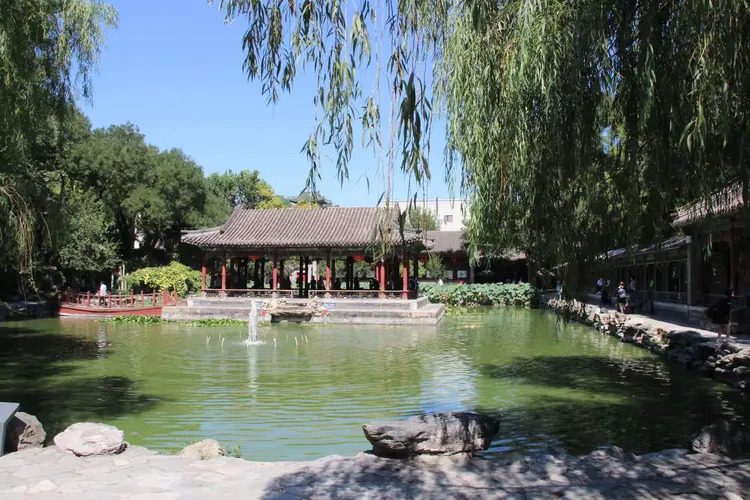
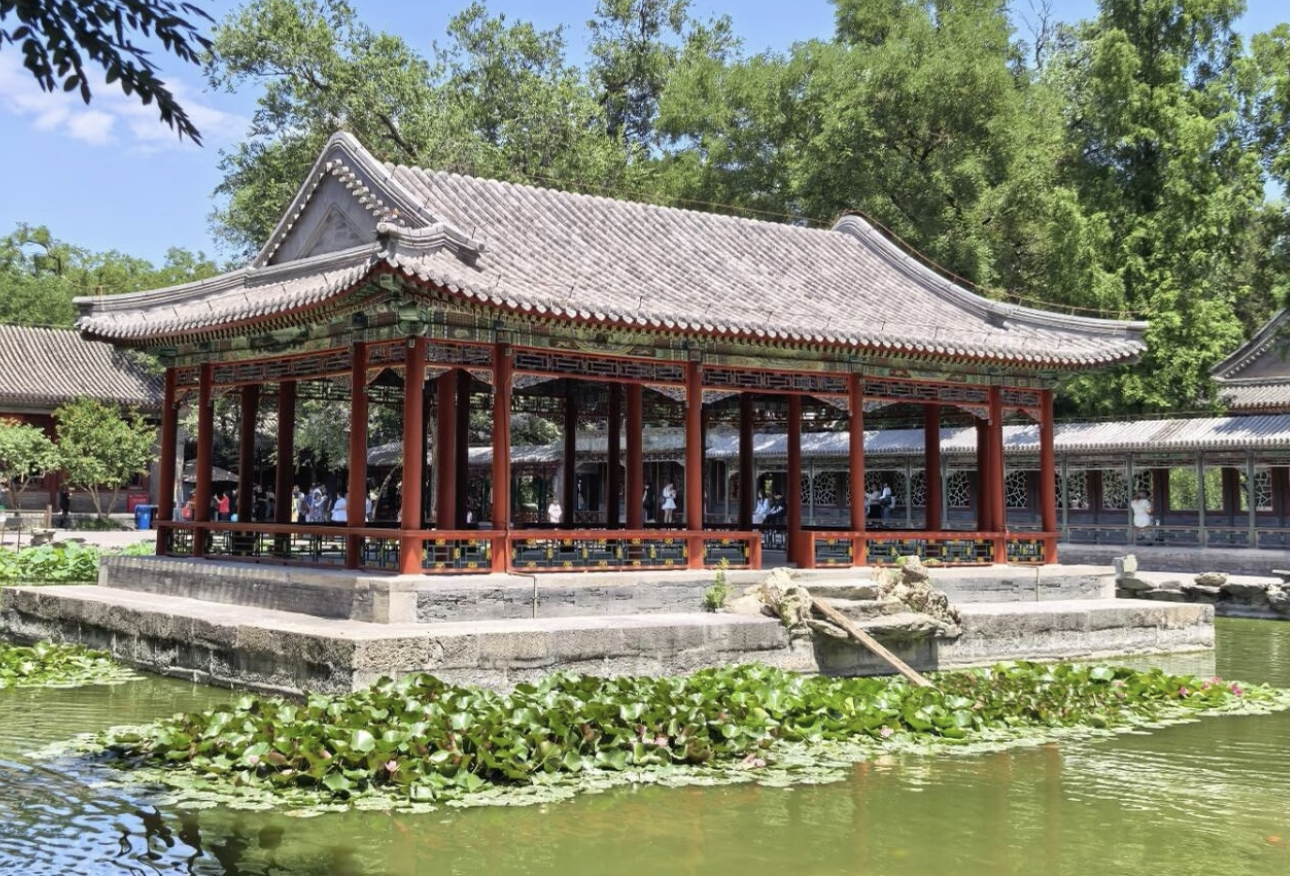
The Square Pond Pavilion is an exquisite structure built over the Square Pond, surrounded by water on three sides. The pond is planted with lotus flowers; in summer, lush leaves and fragrant blossoms fill the air, and the pavilion appears to float on the water—an ideal summer retreat. Miaoxiang Pavilion sits beside the pond, its name meaning "wondrous fragrance spreads afar." Surrounded by flowering trees and shrubs that bloom across all four seasons, it is a perfect spot for enjoying flowers and tea. The Dragon King Temple is a small shrine dedicated to the Dragon King, reflecting ancient beliefs in praying for rain and blessings. Though modest in size, it is complete in layout and rich in antiquity. The Archery Range is the martial practice ground of the mansion, with ancient trees lining a long, straight, open path, embodying the Manchu aristocratic tradition of valuing both letters and martial arts and the ancestral heritage of horsemanship and archery. Together, the four neighboring sites present a portrait of the diverse lifestyle within the princely mansion.

Ledao Hall and Duofu Pavilion · 乐道堂与多福轩

🎧 In app
Ledao Hall and Duofu Pavilion

Ledao Hall was the living quarters of Prince Gong Yixin. Its name, meaning "finding joy in the Way," was personally inscribed by Yixin, expressing his commitment to Confucian moral ideals despite being embroiled in political turmoil. The hall retains elegant Qing Dynasty furnishings and scholar's implements, with finely crafted window lattices and partitions, offering a precious glimpse into the daily life of a late Qing prince. Duofu Pavilion stands nearby, its name meaning "many sons, many blessings." It was the venue for family celebrations and the reception of inner-court relatives. The interior is hung with numerous plaques and couplets celebrating fortune and longevity, lavishly yet tastefully decorated, embodying wishes for a flourishing and enduring family. The two buildings—one emphasizing self-cultivation, the other family harmony—reflect different facets of Prince Gong Yixin's spiritual world and domestic life.

Get the app

The tool solved one problem. The app handles the whole trip.

Per-trip visa judgements, audio guides, prep checklists, and a real human concierge — offline-ready, in your language.

Download for iPhoneFree to download · No OTA upsells