← Hangzhou

Hangzhou · 法喜寺

Faxi Temple (Shangtianzhu Fajing Temple)

🎫 Ticket 10 RMB
🕘 Opening Hours Daily 6:30–18:00 (last entry at 18:00)
🚇 Metro Metro Line 3, "Dongyue Station
📍 Address No.338 Tianzhu Road, Xihu District, Hangzhou, Zhejiang Province Map ↗
🎧 10 audio walking guides for Faxi Temple (Shangtianzhu Fajing Temple) — listen on the spot in the YOLO HAPPY app. →

Inside Faxi Temple (Shangtianzhu Fajing Temple)

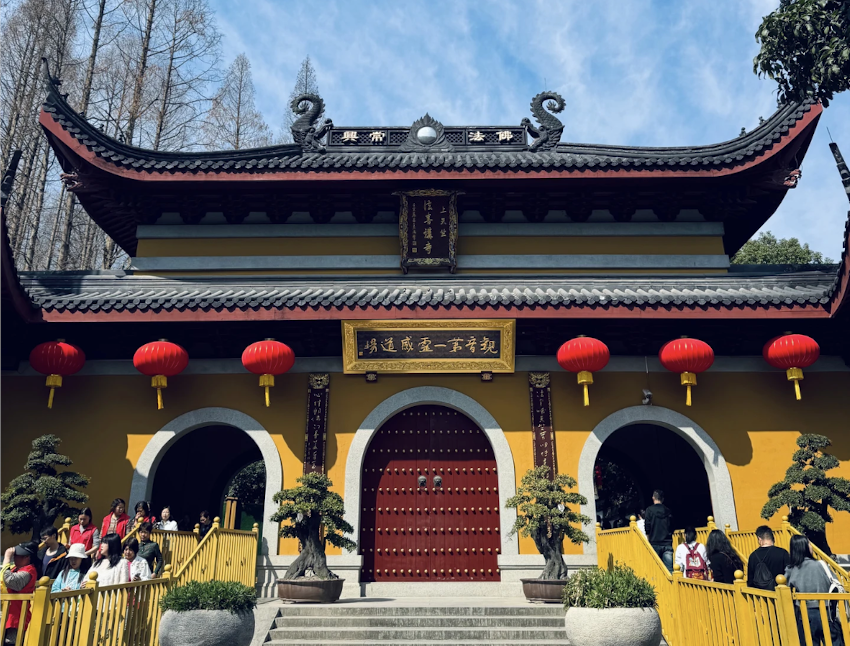
Faxisi Mountain Gate · 法喜寺山门

🎧 In app
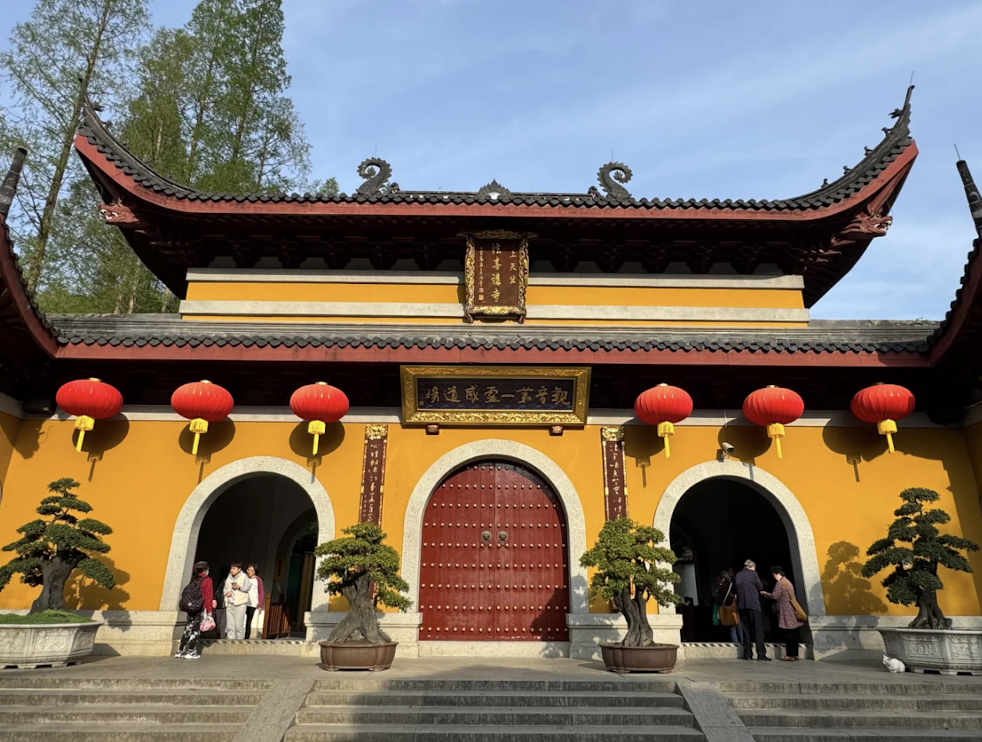
Faxisi Mountain Gate

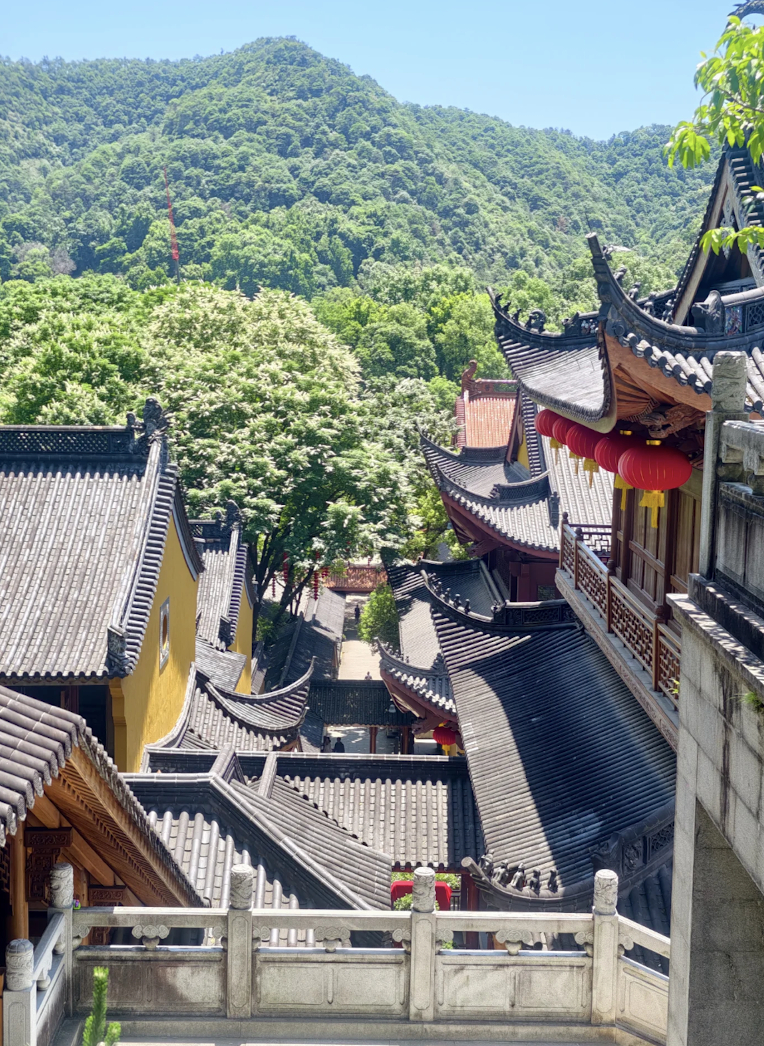
The Shanmen (Mountain Gate) of Faxisi is located at 338 Tianzhu Road, Xihu District, Hangzhou. It is the main entrance of the largest and oldest temple among Hangzhou's Three Tianzhu Temples. The gate is a typical Jiangnan Buddhist building in Ming-Qing style, with three bays and a single-eave xieshan roof with upturned eaves. Horizontal plaques inscribed "Faxisi" and "Shangtianzhu Preaching Temple" hang under the eaves, presenting a dignified aura.

Inside the gate are enshrined statues of the Four Heavenly Kings, each holding a precious treasure with majestic expressions — the best-preserved set among Hangzhou temple mountain gates. Visitors entering through this gate are first greeted by ancient ginkgo trees and curling incense smoke, with the sound of bells and Buddhist chants drifting in the wind. Faxisi is popularly renowned as "the most effective temple for seeking marriage," making the area in front of the Shanmen perennially crowded with pilgrims.
Hall of Heavenly Kings · 天王殿

🎧 In app
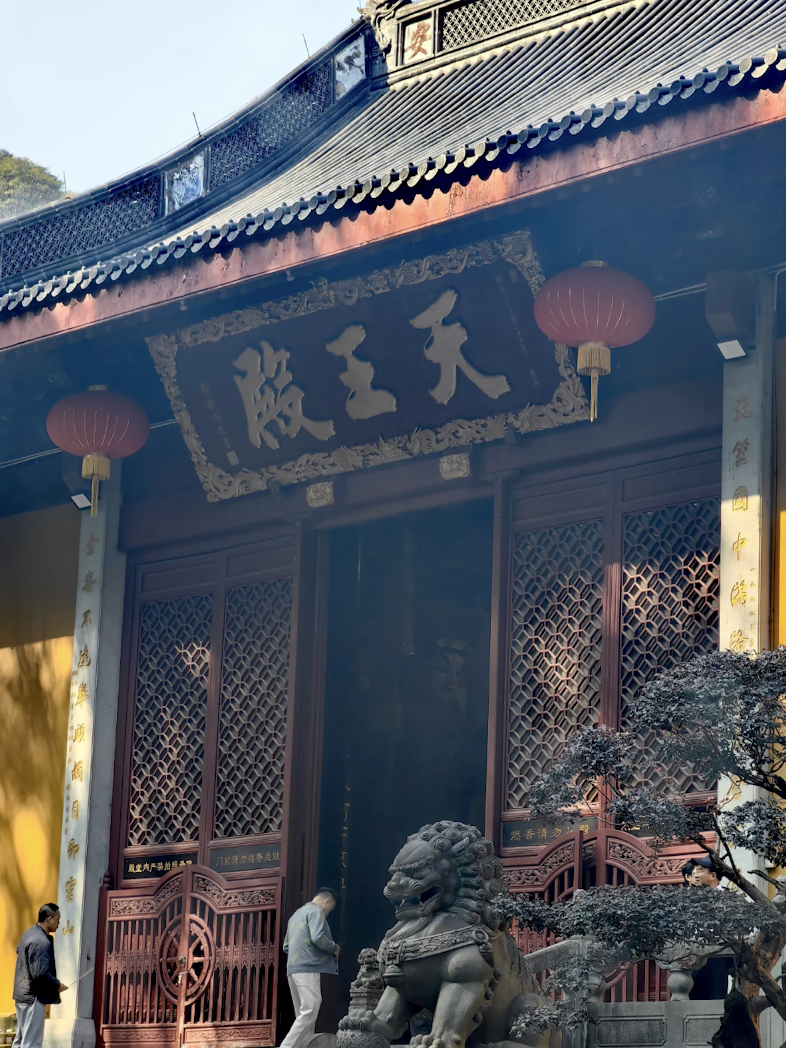
Hall of Heavenly Kings

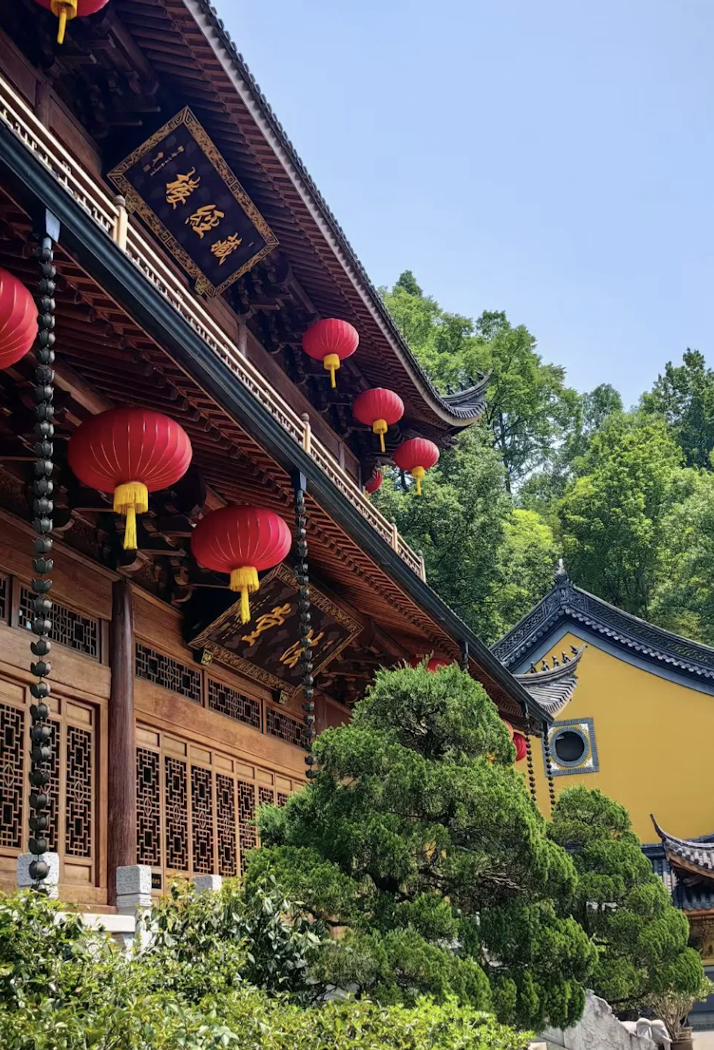
The Hall of Heavenly Kings is the first main hall after the Shanmen of Faxisi and the first hall on the central axis of the temple. The hall spans five bays in width and four bays in depth, with a single-eave xieshan roof covered with blue-gray tubular tiles, and layered brackets under the eaves — rigorous in structure and magnificent in bearing.

Enshrined in the center is the big-bellied, ever-smiling Maitreya Buddha statue, flanked by the majestic Four Heavenly Kings, with a standing statue of Skanda Bodhisattva at the back guarding the temple's Dharma lineage. The hall retains the architectural style of official Ming Dynasty buildings, with wooden structures left unpainted to show their natural color, reflecting the aesthetic pursuit of "simple elegance and solemnity" in Jiangnan Buddhist architecture.

Yuantong Treasure Hall · 圆通宝殿

🎧 In app
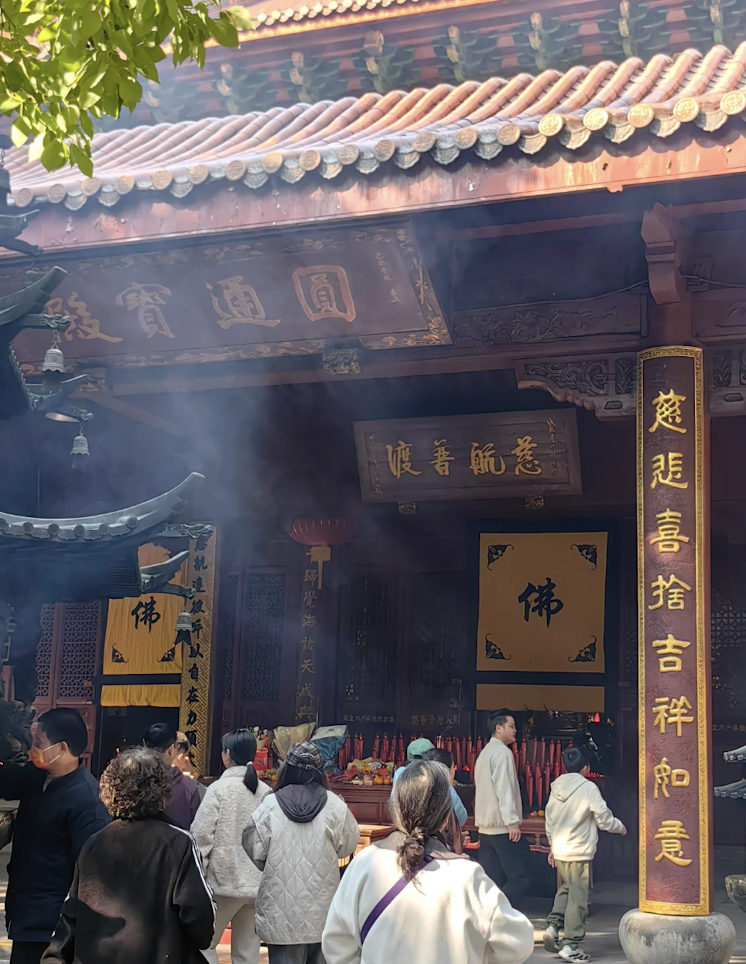
Yuantong Treasure Hall

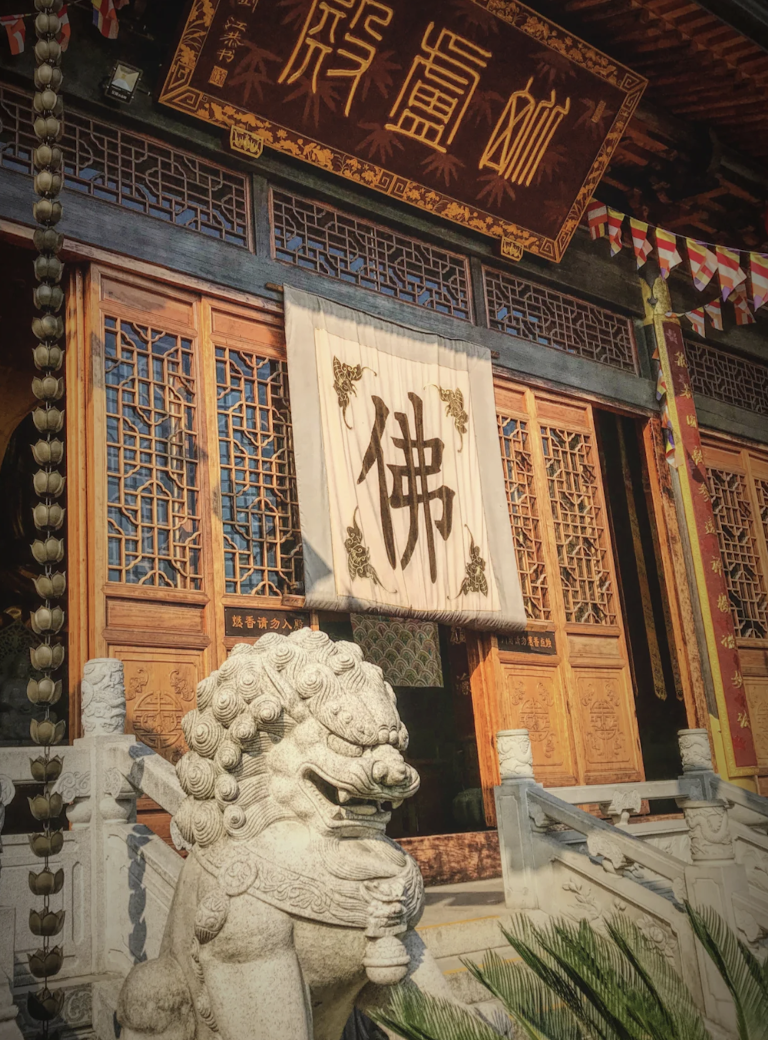
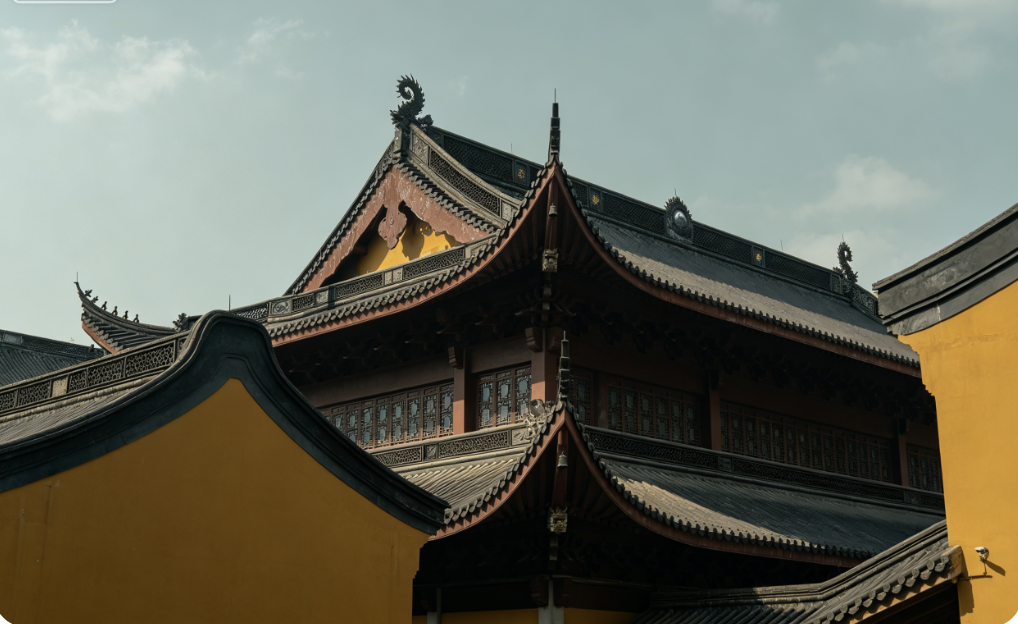
The Yuantong Treasure Hall is the main hall of Faxisi, located at the core of the temple's central axis, with a floor area of about 500 square meters — the largest and highest-specification hall in the temple. The hall spans seven bays in width and five bays in depth, with a double-eave xieshan roof covered with yellow glazed tiles, presenting a majestic and spectacular sight.

Enshrined in the center is the gilded seated statue of the Thousand-Armed and Thousand-Eyed Guanyin Bodhisattva, about 5 meters in height, carved from camphor wood and fully gilded. On both sides are the two great Bodhisattvas Manjusri and Samantabhadra, while the back features a group sculpture of Guanyin on the Island. Two ancient ginkgo trees over 400 years old stand in front of the hall; when their golden leaves cover the courtyard in autumn, the scenery is absolutely stunning.

Mahavira Hall · 大雄宝殿

🎧 In app
Mahavira Hall

The Mahavira Hall is located behind the Yuantong Treasure Hall and is the highest-grade hall in Faxisi, serving as the core venue for large-scale Dharma assemblies, morning and evening chanting, and important Buddhist ritual activities. The hall spans seven bays in width and six bays in depth, with a double-eave hipped roof — the highest grade of ancient Chinese building roof form — covered with yellow glazed tiles.

Enshrined in the center are the Three Buddhas of the Horizontal Configuration: Sakyamuni Buddha in the center, Bhaisajyaguru (Medicine Buddha) in the east, and Amitabha Buddha in the west, each about 6 meters in height, fully gilded with solemn and majestic appearances. Behind the Buddha statues is a large group sculpture of Guanyin on the Island, while the side walls are painted with frescoes of the Twenty Devas, gorgeous in color and exquisite in brushwork.

Scripture Library · 藏经楼

🎧 In app
Scripture Library

The Scripture Library is located at the northernmost end of Faxisi's central axis, behind the Mahavira Hall. It is the hall specifically used for collecting and enshrining the Buddhist Tripitaka and precious Buddhist scriptures, as well as an important venue for the abbot to preach and for monastics to study scriptures. The library is a two-story building with five bays in width and four bays in depth, featuring a double-eave yingshan roof with green tiles and white walls.

Enshrined in the center of the first floor is a large reclining jade Buddha from Myanmar, over 6 meters in length — the largest jade Buddha statue in the temple. The second floor houses precious Tripitaka versions including the Qianlong Tripitaka, Yongle Northern Tripitaka, and Fangshan Stone Scriptures. The courtyard in front is planted with osmanthus, camellia, and slender bamboos — fragrant in all seasons and ideal for quiet meditation.

Hall of Ksitigarbha · 地藏殿

🎧 In app
Hall of Ksitigarbha

The Hall of Ksitigarbha is located in the eastern side hall of Faxisi, dedicated to Ksitigarbha Bodhisattva — one of the Four Great Bodhisattvas in Buddhism, deeply revered for his magnificent vow: "Until the hells are emptied, I will not become a Buddha." Enshrined in the center is the seated statue of Ksitigarbha, about 3 meters in height, wearing a kasaya, holding a mani pearl and a khakkhara, with a compassionate and serene countenance.

On both sides are frescoes of the Ten Kings of Hell and illustrations of the Underworld, presenting Buddhist concepts of karma and rebirth in graphic form, warning all to abstain from evil and practice virtue. The hall sees continuous incense offerings year-round, especially from devotees performing rites for deceased relatives. The building features a single-eave yingshan roof with green tiles and white walls, and the courtyard is planted with bamboo and banana trees — serene and ideal for quiet meditation.

Hall of Five Hundred Arhats · 五百罗汉堂

🎧 In app
Hall of Five Hundred Arhats

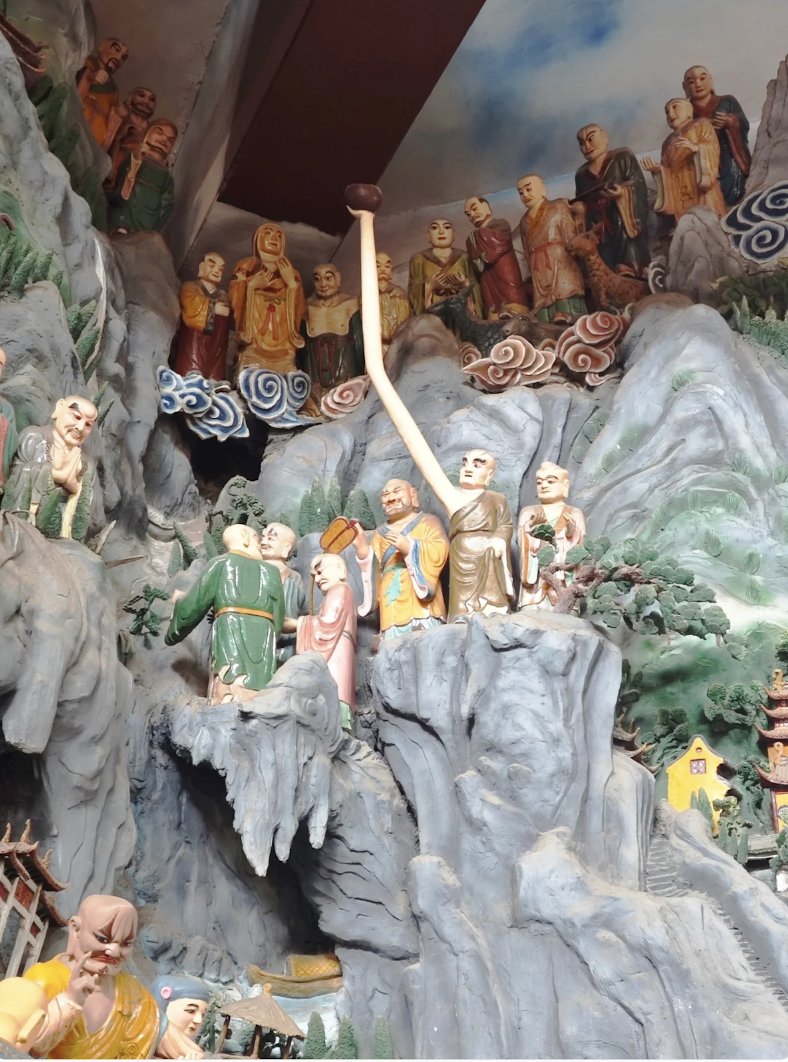
The Hall of Five Hundred Arhats is located in the western side hall of Faxisi, one of the larger and better-preserved Arhat Halls among Hangzhou temples. The hall spans seven bays in width and three bays in depth, with a single-eave hipped roof, green tiles, and vermilion pillars — dignified yet elegant in style.

Inside, shrines for the Five Hundred Arhats are arranged along three walls, each statue about 0.8 meters in height, round-carved from camphor wood and fully gilded. The Arhats have diverse, vividly lifelike expressions — some with kind brows, some with glaring eyes, some holding sutra scrolls, some grasping Dharma instruments — no two alike, demonstrating the superb level of ancient sculpture art. In the center are enshrined Vairocana Buddha with Manjusri and Samantabhadra, forming the "Three Saints of the Huayan" configuration.

White Cloud Peak Viewing Platform · 白云峰观景台

🎧 In app
White Cloud Peak Viewing Platform

The White Cloud Peak Viewing Platform is located on White Cloud Peak behind Faxisi, at an altitude of about 280 meters — the most open viewing spot in the Faxisi scenic area. From behind the Scripture Library, a stone-step mountain path winds upward for about 20-30 minutes to reach the peak platform.

Standing on the open stone platform, visitors can take in the entire view of Hangzhou — nearby are the layered mountains of the West Lake scenic area, with Middle and Lower Tianzhu Temples faintly visible among the green trees; in the distance, the Qiantang River winds like a ribbon through the forest of high-rise buildings. The peak also preserves the Ming Dynasty cliff engraving "White Cloud Peak." Every morning, swirling clouds and radiant sunrise glow create a spectacular scene.

Imperial Stele Pavilion · 御碑亭

🎧 In app
Imperial Stele Pavilion

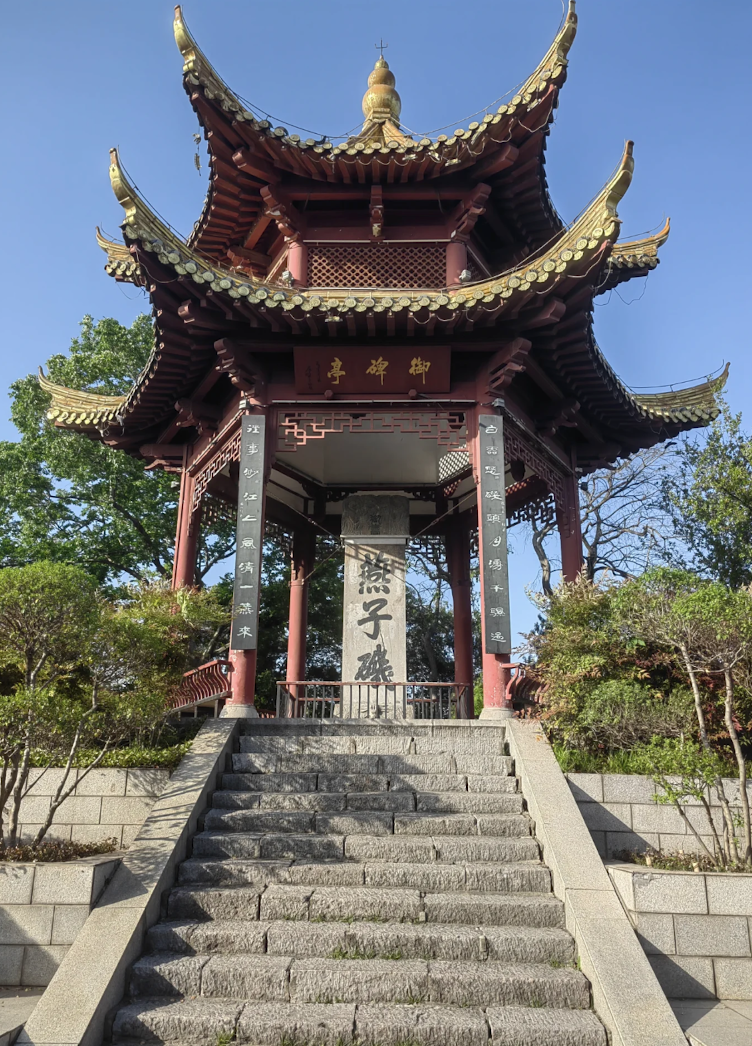
The Imperial Stele Pavilion is located on the east side of the skywell between the Hall of Heavenly Kings and the Yuantong Treasure Hall within Faxisi. It is a Jiangnan classical pavilion with a double-eave four-cornered pyramidal roof. Inside stands an imperial stele personally inscribed by Emperor Qianlong of the Qing Dynasty during his southern inspections to the temple.

The stele is about 2.5 meters high and 1 meter wide, with the top carved with coiling dragon motifs. The front is engraved with two poems titled "Shangtianzhu" in Qianlong's own calligraphy, while the back bears harmonized poems by accompanying ministers — all in regular script, with vigorous brushwork and exquisite engraving. Emperor Qianlong visited the south six times and came to Shangtianzhu on five occasions to pay respects to the Buddha. Two century-old osmanthus trees stand before the pavilion, filling the air with fragrance in golden autumn.

Faxisi Vegetarian Dining Hall · 法喜寺素斋堂

🎧 In app
Faxisi Vegetarian Dining Hall

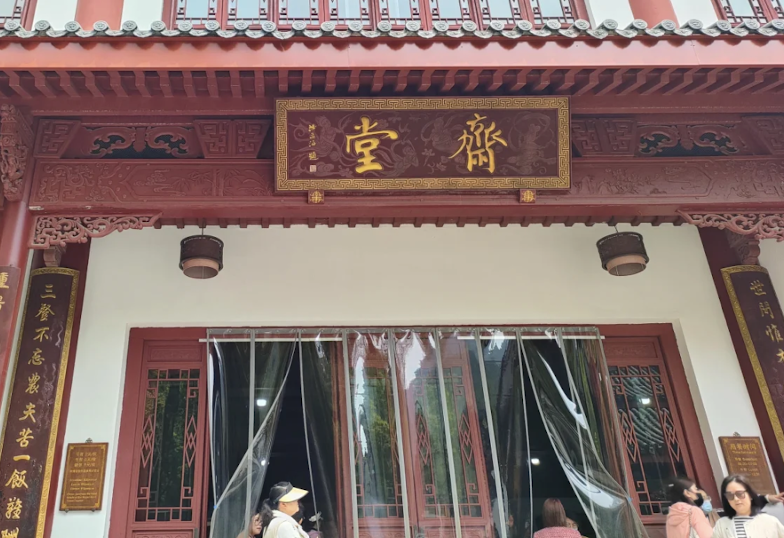
The Faxisi Vegetarian Dining Hall is located on the west side of the temple, next to the Hall of Five Hundred Arhats. It is one of the most famous temple vegetarian dining halls in Hangzhou, attracting large numbers of visitors daily. The open hall can accommodate about 200 diners, with dignified and simple decor — no meat, fish, or alcohol served, fully embodying the pure spirit of Buddhist dietary culture.

The menu ranges from casual vegetarian noodles (15-20 RMB) and buns (3 RMB) to elaborate set meals (50-80 RMB). The most famous dish is Faxisi's vegetarian "roast goose" — crispy skin with fragrant filling — with daily sales exceeding a thousand portions. The dining hall also offers "Blessing Vegetarian Meals," where diners can offer incense and pray before dining, experiencing the pure dietary culture of Buddhist tradition.

Get the app

The tool solved one problem. The app handles the whole trip.

Per-trip visa judgements, audio guides, prep checklists, and a real human concierge — offline-ready, in your language.

Download for iPhoneFree to download · No OTA upsells