← Hangzhou

Hangzhou · 六和塔

Liuhe Pagoda (Six Harmonies Pagoda)

🎫 Ticket 30 RMB
🕘 Opening Hours Summer (approx. Apr-Oct): 7:00-17:30; Winter (approx. Nov-Mar): 7:00-16:55.
🚇 Metro Metro Line 4, Shuichengqiao Station
📍 Address No.16 Zhijiang Road, Xihu District, Hangzhou, Zhejiang Province Map ↗
🎧 10 audio walking guides for Liuhe Pagoda (Six Harmonies Pagoda) — listen on the spot in the YOLO HAPPY app. →

Inside Liuhe Pagoda (Six Harmonies Pagoda)

Liuhe Pagoda Scenic Area Entrance (Liuhe Ta Jingqu Rukou) · 六和塔景区入口

🎧 In app
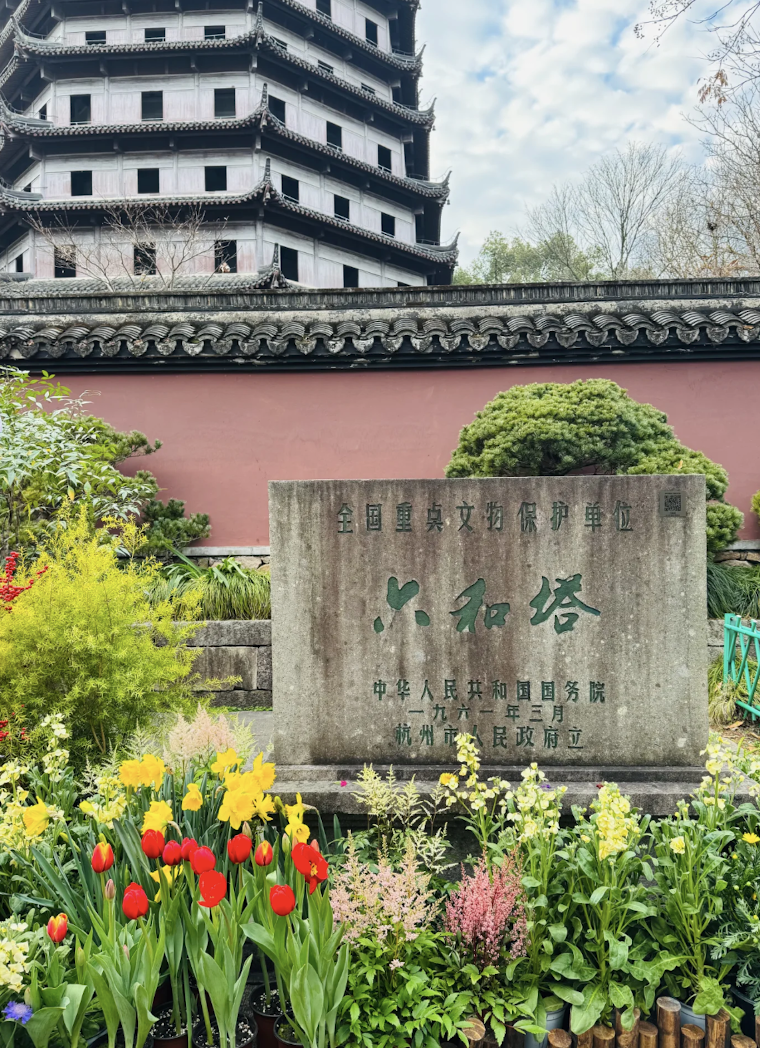
Liuhe Pagoda Scenic Area Entrance (Liuhe Ta Jingqu Rukou)

The Liuhe Pagoda Scenic Area Entrance is located at 16 Zhijiang Road, Xihu District, Hangzhou, and is the formal starting point for entering the Liuhe Pagoda Scenic Area and visiting Liuhe Pagoda. The entrance is paved with neat bluestone slab steps, with a gate house featuring a five-bay, double-eave xieshan roof antique-style building, complete with black tiles, vermilion pillars, and upturned eaves. A horizontal plaque inscribed with the three large characters "Liuhe Pagoda" hangs at the entrance, presenting a dignified bearing. The entrance square is equipped with a scenic area introduction stone tablet, tour guide map, and electronic ticket office.
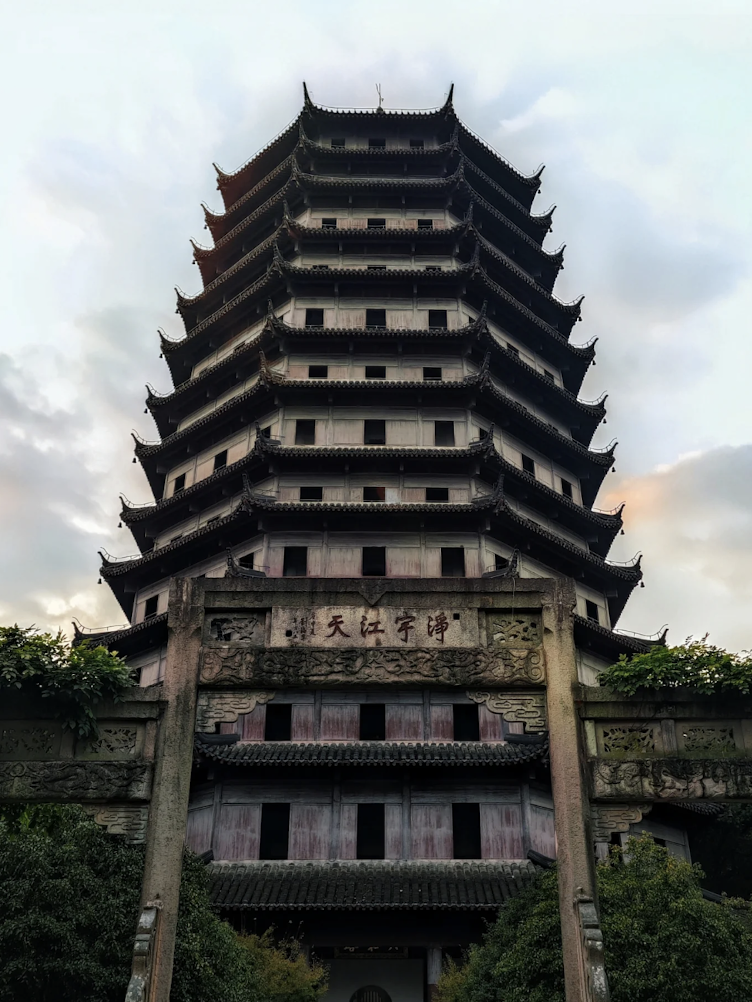
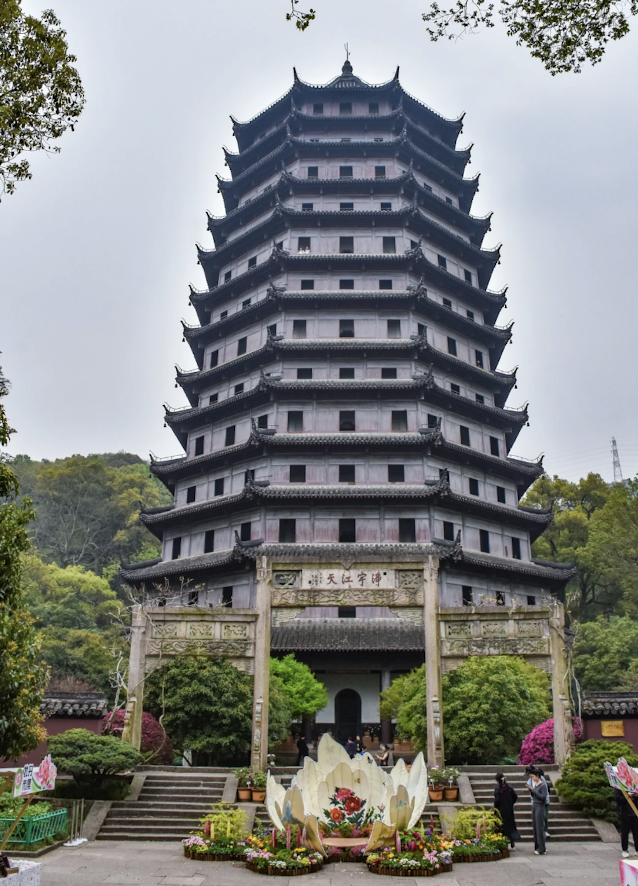
Liuhe Pagoda (Liuhe Ta) · 六和塔

🎧 In app
Liuhe Pagoda (Liuhe Ta)

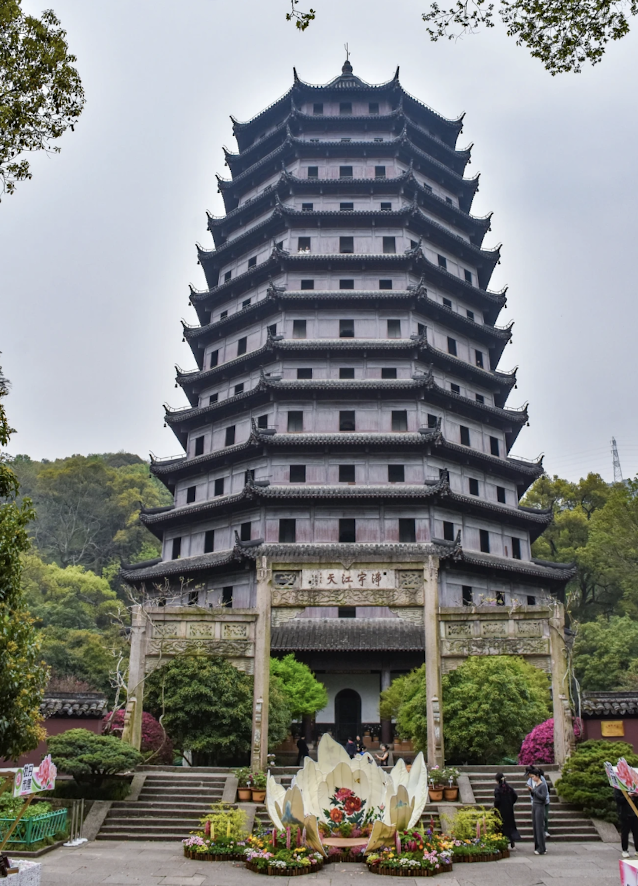
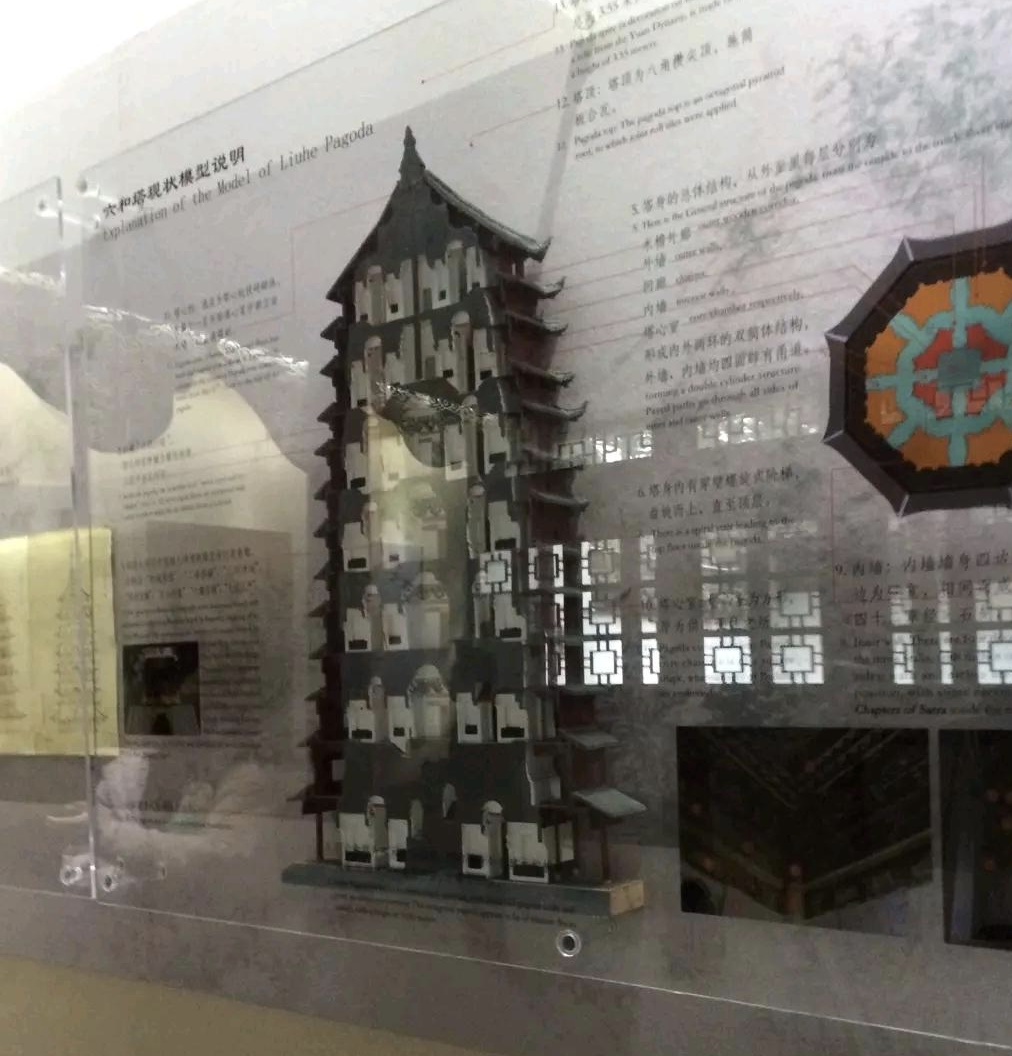
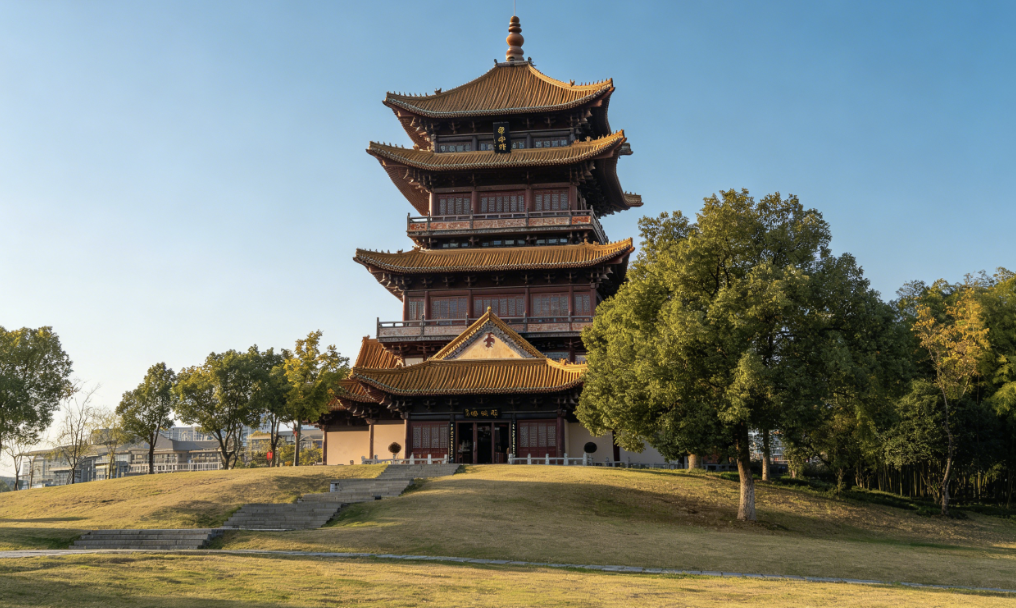
Liuhe Pagoda is located atop Yuelun Peak in Xihu District, Hangzhou, on the north bank of the Qiantang River. It was first built in 970 CE (third year of the Kaibao reign of Northern Song) under the supervision of King Qian Chu of Wuyue Kingdom, who ordered its construction to supress the tidal bore of the Qiantang River. The pagoda derived its name from the Buddhist concept of "Six Harmonies and Respect"—body harmoniously dwelling together, speech harmoniously non-contending, mind harmoniously delighted together, precepts harmoniously jointly cultivated, views harmoniously jointly understood, and benefits harmoniously equally shared. The pagoda stands about 59.89 meters high with thirteen levels (seven levels in exterior appearance, thirteen levels in interior division), adopting a brick-wood structure.

Pagoda Foundation and Underground Palace (Taji yu Diogong) · 塔基与地宫

🎧 In app
Pagoda Foundation and Underground Palace (Taji yu Diogong)

The Pagoda Foundation and Underground Palace are located at the base of Liuhe Pagoda and constitute the core space for the protective exhibition of the pagoda's foundation ruins and interment structure. The Liuhe Pagoda foundation is a massive rammed-earth high platform, about 40 meters on each side and 2.5 meters high. A protective steel structure shed has been built above the pagoda foundation. Visitors can walk along the elevated wooden plank road for a circular visit, and through professional information signs, understand the "pagoda covering ruins" conservation philosophy of Liuhe Pagoda and the interment system for ancient pagoda construction.

Pagoda Body Floors 1-7 (Tashen Diyizhi Qiceng) · 塔身一至七层

🎧 In app
Pagoda Body Floors 1-7 (Tashen Diyizhi Qiceng)

Liuhe Pagoda has a total of thirteen levels (seven levels in exterior appearance, thirteen levels in interior division), among which floors 1-7 are open to visitors for ascending. Each floor covers an area of about 200-300 square meters and constitutes the core space for cultural relic display and viewing experience in Liuhe Pagoda. The first floor's theme is "Liuhe Pagoda and King Qian's Pagoda Construction," displaying Wuyue Kingdom history and the origin of pagoda construction. Floors 2-6 have the theme "Buddhist Art and Qiantang River Culture," displaying Song Dynasty Buddhist sculptures, frescoes, sutra scrolls, and Qiantang River poetry and calligraphy floor by floor. The seventh floor is a 360-degree open viewing terrace.

Pagoda Top-Level Viewing Terrace (Tadingceng Guanjing Tai) · 塔顶层观景台

🎧 In app
Pagoda Top-Level Viewing Terrace (Tadingceng Guanjing Tai)

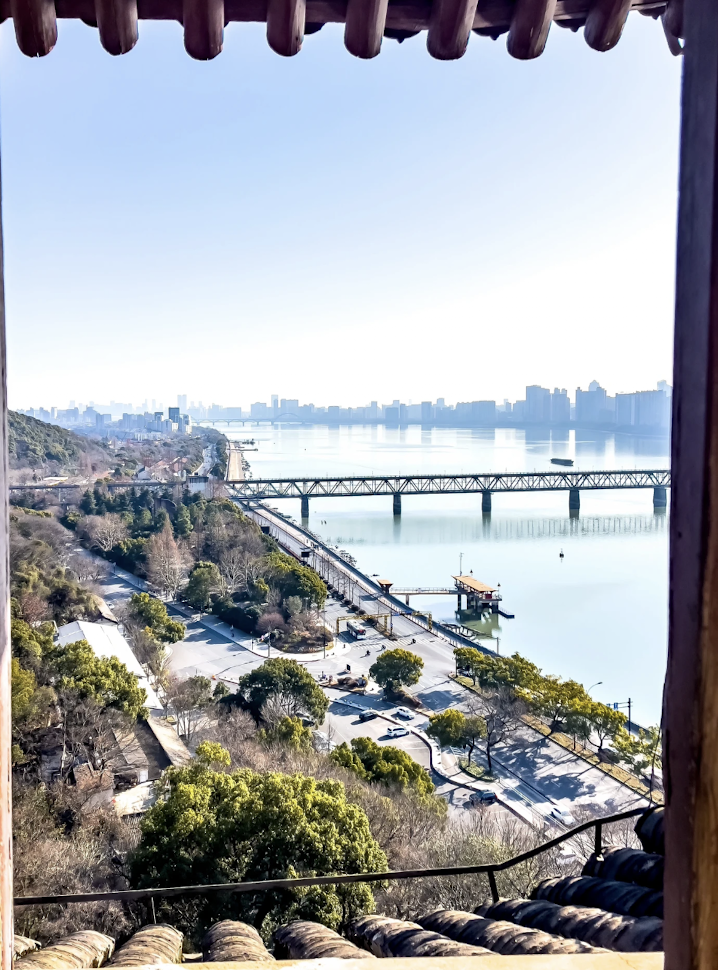
The Top-Level Viewing Terrace is located at the highest point of Liuhe Pagoda, on the seventh floor, and offers the most open view in the Hangzhou Qiantang River scenic area. It is also one of the most impressive river-viewing points beyond the Ten Scenes of Hangzhou. The viewing terrace features a fully open design with wooden corridors and viewing windows on all sides, allowing visitors a 360-degree unobstructed overlook. In the near view is the majestic Qiantang River Bridge, a double-deck road-and-rail bridge, and the surging river water. Every year around the eighteenth day of the eighth lunar month during the Qiantang River tidal-bore season, the top floor of Liuhe Pagoda is one of the best viewing points.

Liuhe Pagoda Cultural Exhibition Hall (Liuh e Ta Wenhua Chenlieguan) · 六和塔文化陈列馆

🎧 In app
Liuhe Pagoda Cultural Exhibition Hall (Liuh e Ta Wenhua Chenlieguan)

The Liuhe Pagoda Cultural Exhibition Hall is located inside the Liuhe Pagoda scenic area entrance, adjacent to the mountain climbing walkway. It is an independent antique-style exhibition hall that officially opened to the public in 1991, synchronizing with the completion of the major renovation of Liuhe Pagoda. The exhibition hall has a floor area of about 600 square meters, with the theme "Liuhe Pagoda and the Wuyue Kingdom," featuring four major exhibition sections that systematically showcase the long history of Liuhe Pagoda from its original construction in 970 CE (third year of Kaibao reign of Northern Song) to the present, spanning 1,054 years. The hall displays over 300 precious unearthed artifacts, including Ashoka Tower (gilt copper, unearthed from the underground palace), stone carved sutra pillars, agate ornaments, brick Buddha statues, and "Kaiyuan Tongbao" copper coins.

Chinese Ancient Pagoda Exhibition Garden (Zhonghua Guta Bolanyuan) · 中华古塔博览苑

🎧 In app
Chinese Ancient Pagoda Exhibition Garden (Zhonghua Guta Bolanyuan)

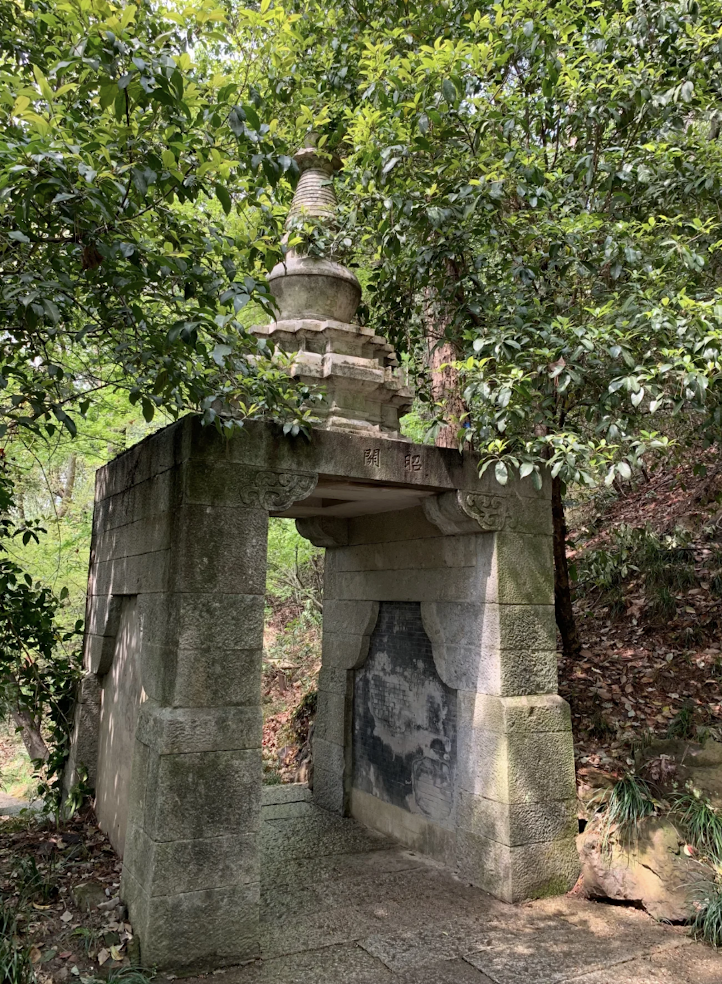
The Chinese Ancient Pagoda Exhibition Garden is located in the central part of the Liuhe Pagoda scenic area, south of Liuhe Pagoda. It is a thematic garden with the theme of displaying Chinese ancient pagoda architectural art, officially opened to the public in 1997. The Exhibition Garden covers an area of about 1.5 hectares, and according to the regional distribution and architectural types of Chinese ancient pagodas, assembles over a hundred miniature models of famous ancient pagodas from all over the country, including Big Wild Goose Pagoda, Small Wild Goose Pagoda, Yingxian Wooden Pagoda, Songyue Temple Pagoda, Feihong Pagoda, and Zhenjue Temple Vajra Throne Pagoda. The pagoda heights range from 1 meter to 8 meters, with materials covering brick, stone, wood, copper, and iron, completely presenting the architectural evolution process and regional style differences of Chinese ancient pagodas.

Qiantang River Viewing Platform (Qiantang Jiang Guanjing Pingtai) · 钱塘江观景平台

🎧 In app
Qiantang River Viewing Platform (Qiantang Jiang Guanjing Pingtai)

The Qiantang River Viewing Platform is located at the southernmost end of the Liuhe Pagoda scenic area, on the mountain cliff south of Yuelun Peak. It is a semi-open viewing platform and also the viewing point with the most open view for observing the river within the Liuhe Pagoda scenic area. The platform is a reinforced concrete structure, with the surface paved with antique-style bluestone slabs, and cement faux-wood railings around it, able to accommodate about 50 people for viewing simultaneously. Standing on the platform, you can take in the entire Qiantang River——in the near view is the majestic Qiantang River Bridge (double-deck road-rail combined bridge) and the surging river water. Every year around the 18th day of the 8th lunar month during the Qiantang River tidal bore season, the viewing platform is one of the secondary tidal viewing points.

Liuhe Bell Sound (Liuhe Zhongsheng) · 六合钟声

🎧 In app
Liuhe Bell Sound (Liuhe Zhongsheng)

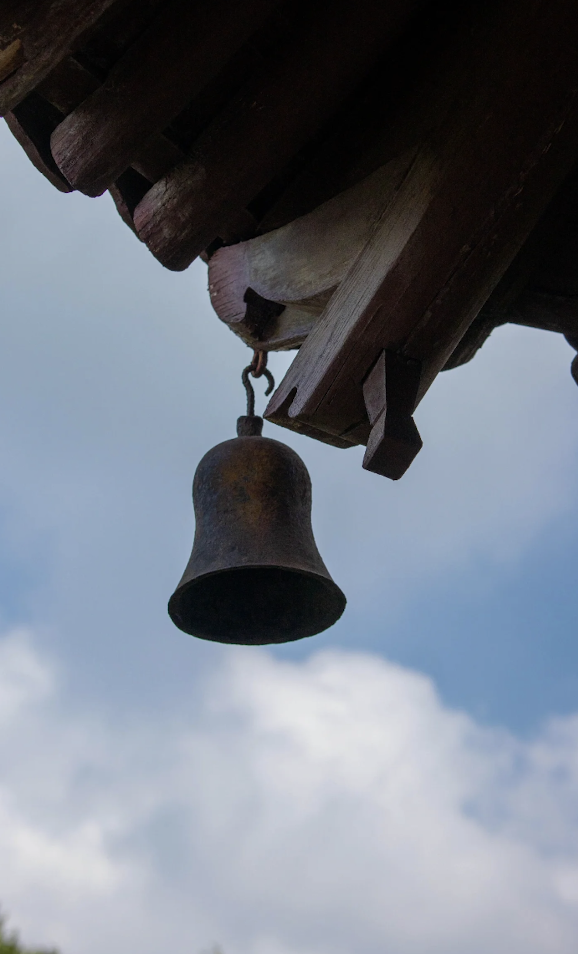
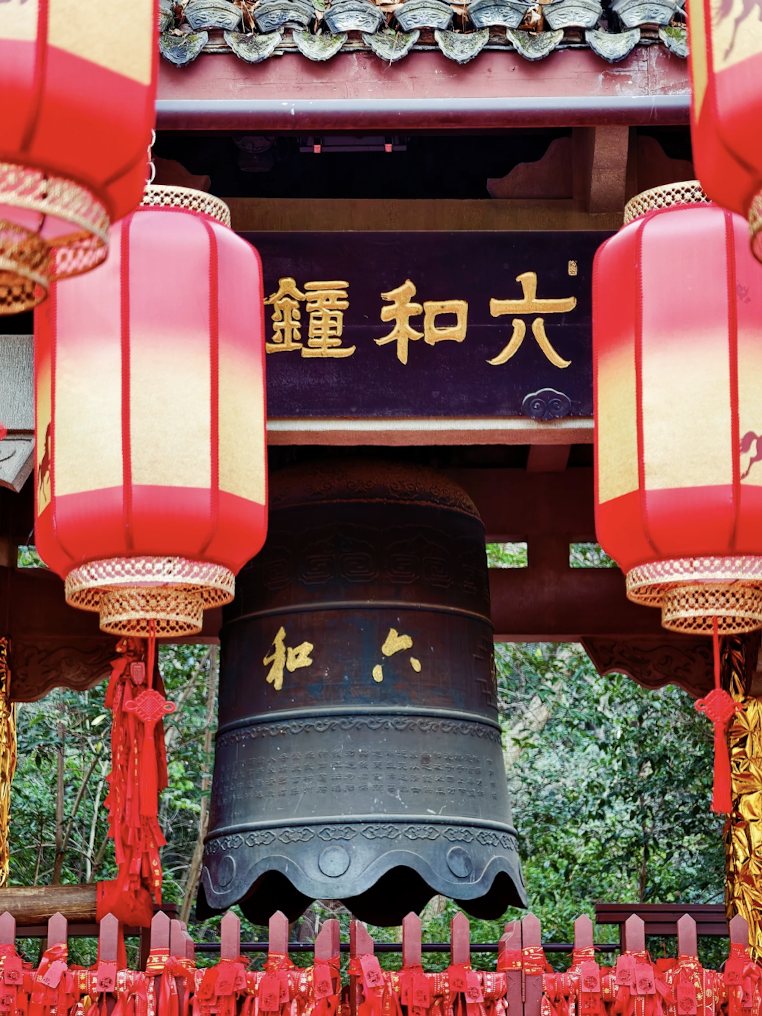
The Liuhe Bell Sound is located inside the Liuhe Pagoda scenic area entrance, at the starting point of the mountain climbing walkway. It is a combination of an independent double-eave six-cornered bell tower and a giant bronze bell. The bell tower is an all-wood structure, about 12 meters high, with a double-eave six-cornered pyramidal roof, black tiles, and vermilion pillars——dignified and elegant in style. Inside the tower hangs a giant bronze bell, about 2.5 meters high, 1.8 meters in diameter, and weighing about 5 tons. Visitors can purchase tickets (approx. 20 RMB/person) to personally hold a wooden mallet and strike the bell. Every New Year's Eve, the Liuhe Pagoda scenic area hosts the "New Year Bell Sound" activity.

Stele Pavilion (Beiting) · 碑亭

🎧 In app
Stele Pavilion (Beiting)

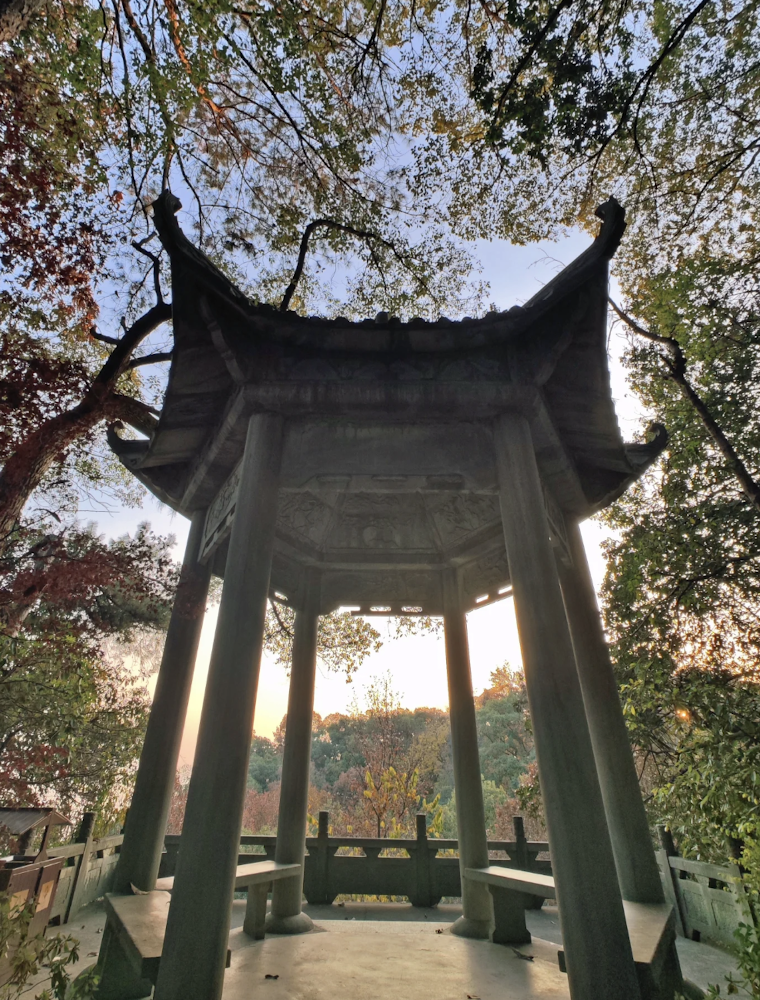
The Stele Pavilion is located north of Liuhe Pagoda, on the platform below the pagoda foundation. It is a Jiangnan classical pavilion building with a single-eave four-cornered pyramidal roof, specially built to protect the stele inscriptions recording pagoda repair events across dynasties. Inside the pavilion stand five steles recording the events of repairing Liuhe Pagoda across dynasties. The earliest is the "Record of Repairing Liuhe Pagoda" stele from 1153 CE (23rd year of the Shaoxing reign of Southern Song). The most precious is the "Record of Repairing Liuhe Pagoda" stele from 1523 CE (2nd year of the Jiajing reign of Ming Dynasty). The Stele Pavilion building is small, exquisite, and equipped with stone seating on all sides.

Get the app

The tool solved one problem. The app handles the whole trip.

Per-trip visa judgements, audio guides, prep checklists, and a real human concierge — offline-ready, in your language.

Download for iPhoneFree to download · No OTA upsells