← Nanjing

Nanjing · 甘熙宅第(南京民俗博物馆)

Gan Xi Residence (Nanjing Folk Custom Museum)

🎫 Ticket 20 RMB
🕐 Duration 2 hours
🚇 Metro Metro Line 1, Sanshan Street Station
🕘 Opening Hours - **Opening hours:** 9:00—17:00 (last entry at 16:30) - **Closing time:** Closed on Mondays (except for statutory holidays) - **Special note:** Opening hours may be adjusted during holidays, please pay attention to official announcements - **Recommended visiting time:** 1.5—2 hours
🕘 Opening Hours Regular: 09:00–17:30, ticket sales stop at 17:00; closed on Mondays (except statutory holidays)
🕘 Opening Hours Night session (Friday/Saturday): 17:30–21:00, ticket sales stop at 20:30
📍 Address Nanbuting, Xiananli Street, No. 400 Zhongshan South Road, Qinhuai District, Nanjing, Jiangsu Province (at the intersection of Shengzhou Road) Map ↗
🎧 11 audio walking guides for Gan Xi Residence (Nanjing Folk Custom Museum) — listen on the spot in the YOLO HAPPY app. →

Inside Gan Xi Residence (Nanjing Folk Custom Museum)

South Gate (Main Entrance) · 南门(正门)

🎧 In app
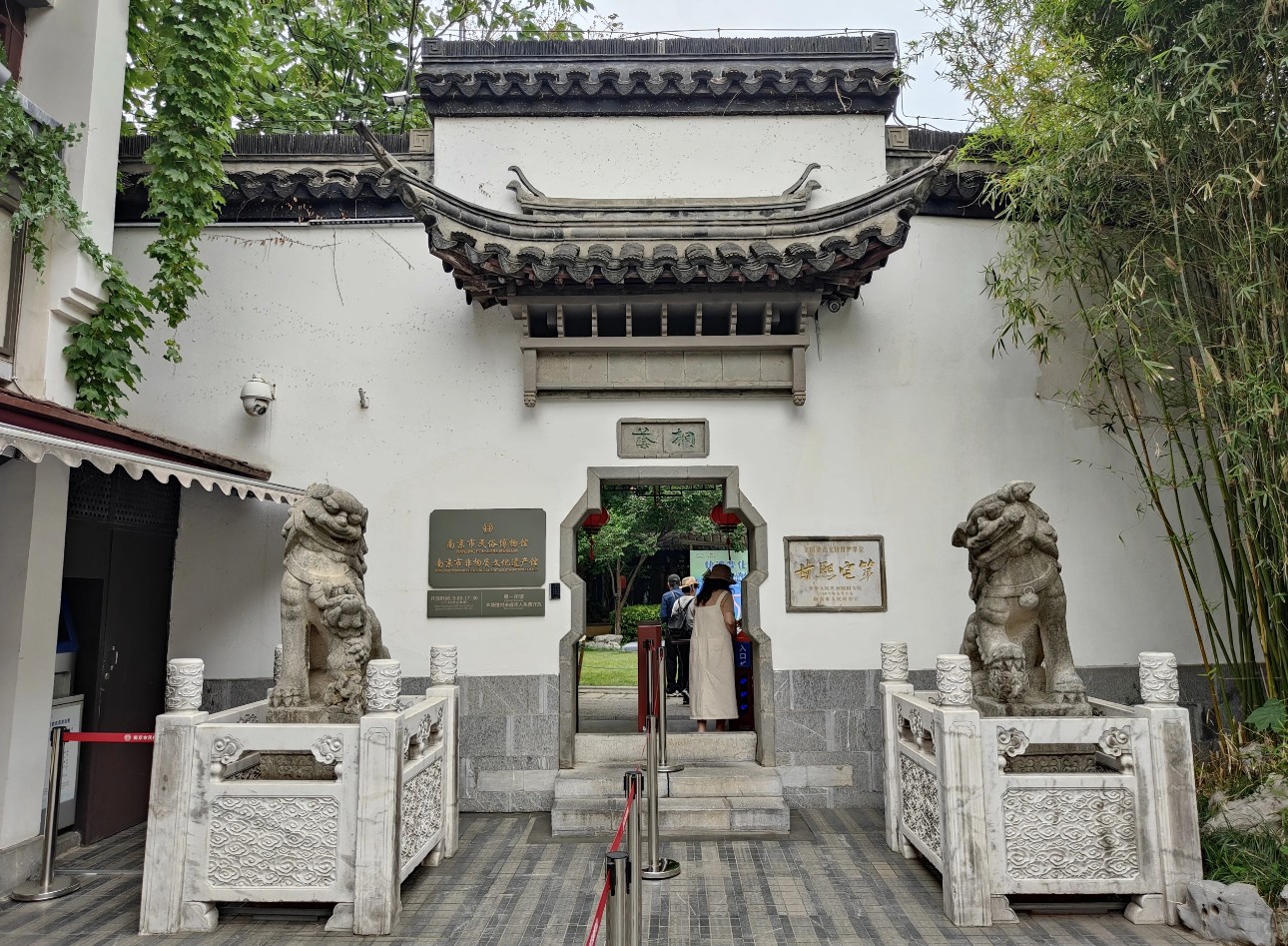
South Gate (Main Entrance)

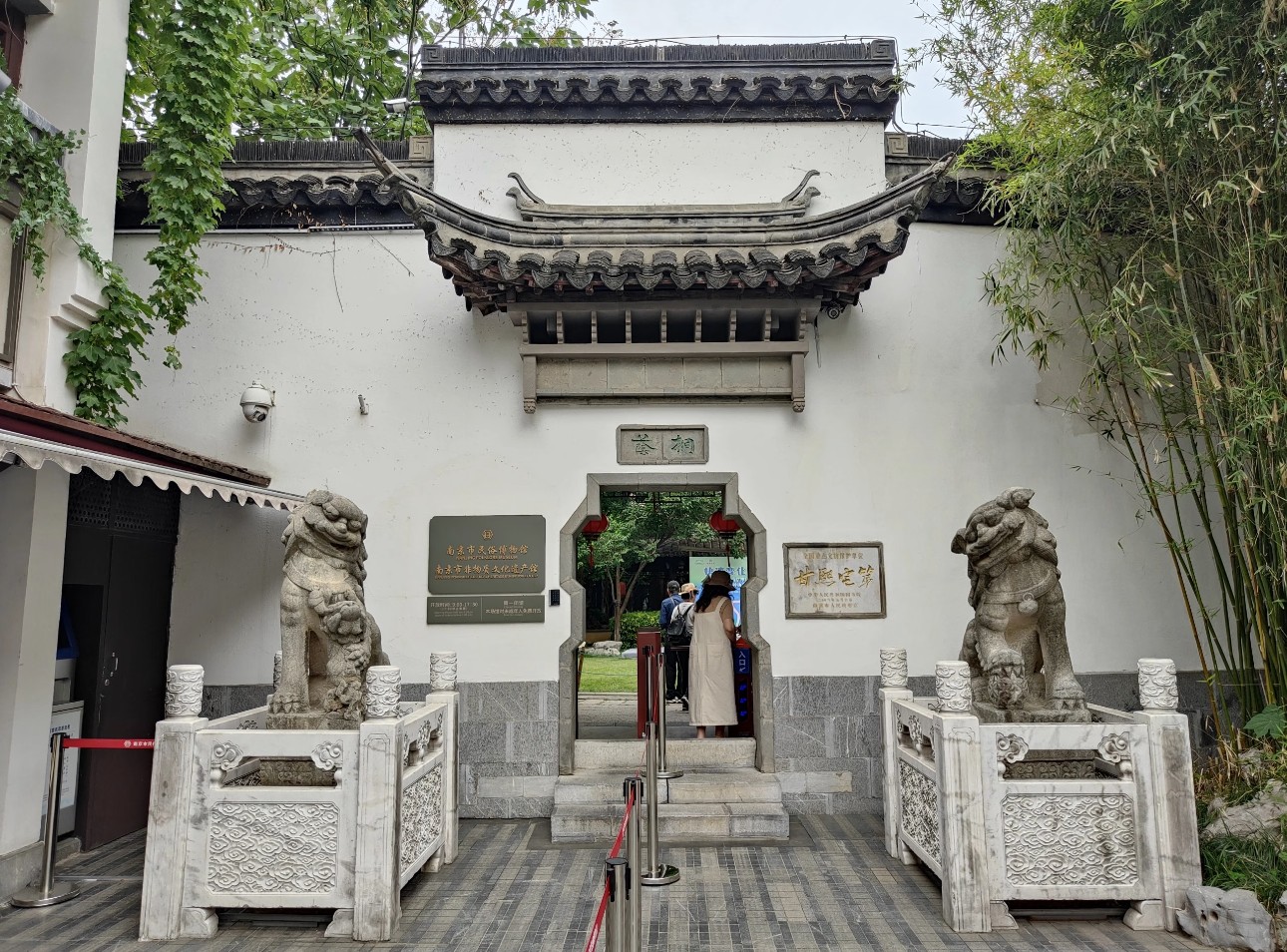
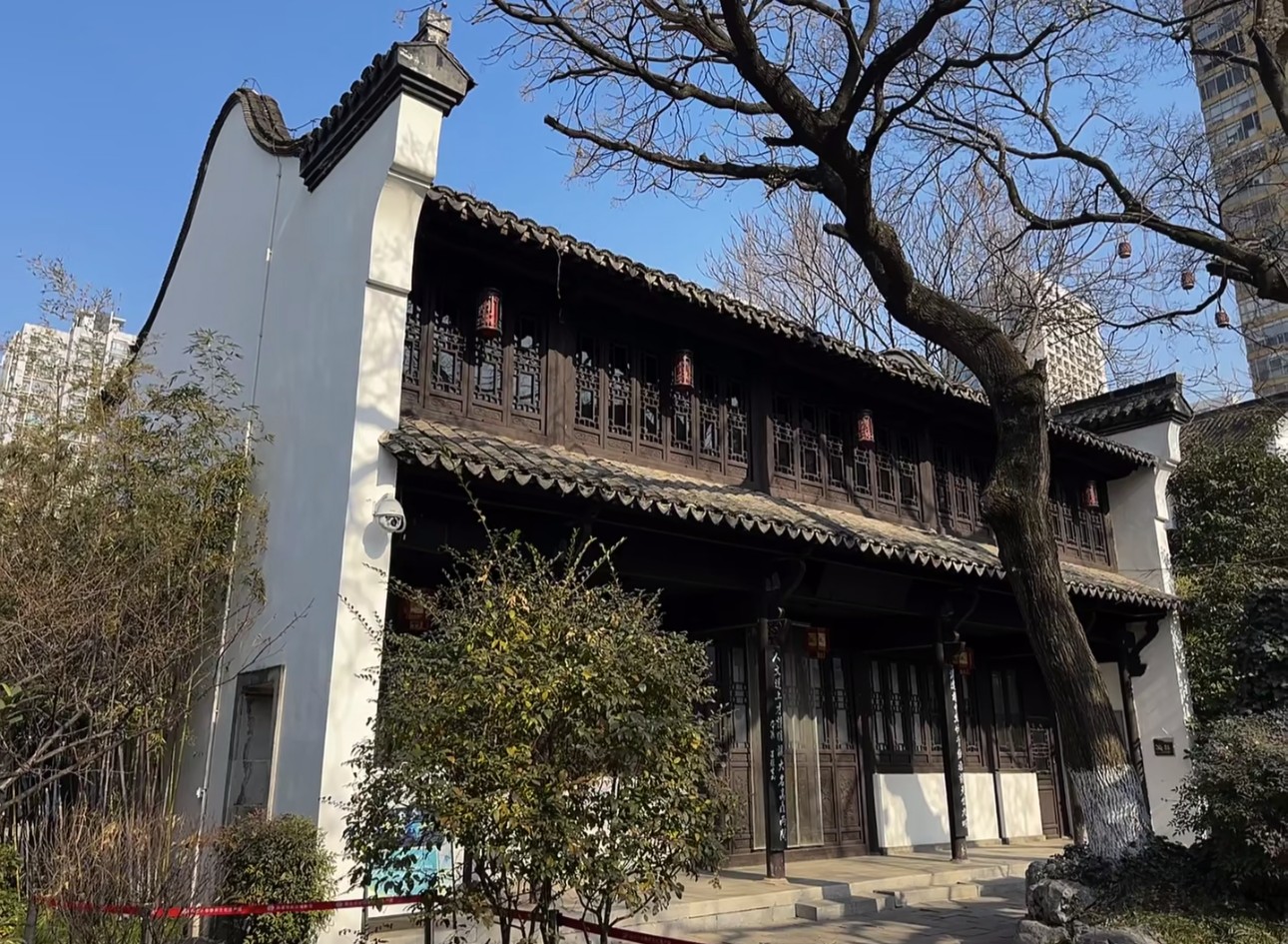
The South Gate serves as the formal entrance to the entire architectural complex. Featuring three bays in width, it exhibits the traditional Nanjing style with grey bricks and dark tiles. The lintel bears exquisite brick carvings, while the high threshold reflects the social status of a Qing Dynasty gentry family. A screen wall once stood before the gate but no longer survives. The original stone door frame and pillow stones remain intact, their carvings simple yet dignified. Passing through this gate, visitors officially enter the renowned Qing Dynasty residential complex known as "Ninety-Nine and a Half Rooms."
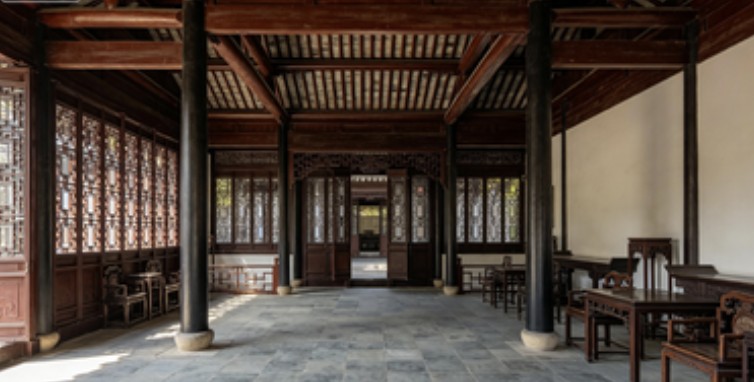
Entrance Hall and Sedan Chair Hall · 门厅与轿厅

🎧 In app
Entrance Hall and Sedan Chair Hall

The Entrance Hall and Sedan Chair Hall constitute the first courtyard of the residence. The entrance hall, three bays wide and relatively shallow in depth, was primarily used for receiving and registering visitors. Beyond its courtyard lies the sedan chair hall, which as the name suggests served as a parking space for sedan chairs and a waiting area. The two halls are separated by a flagstone-paved courtyard with concealed drainage channels, embodying the traditional feng shui concept of "four waters returning to the hall." Historical photographs of the Gan family and exhibition panels introducing the residence's history are currently displayed in the entrance hall.

Yougong Hall (Main Hall) · 友恭堂(正厅)

🎧 In app
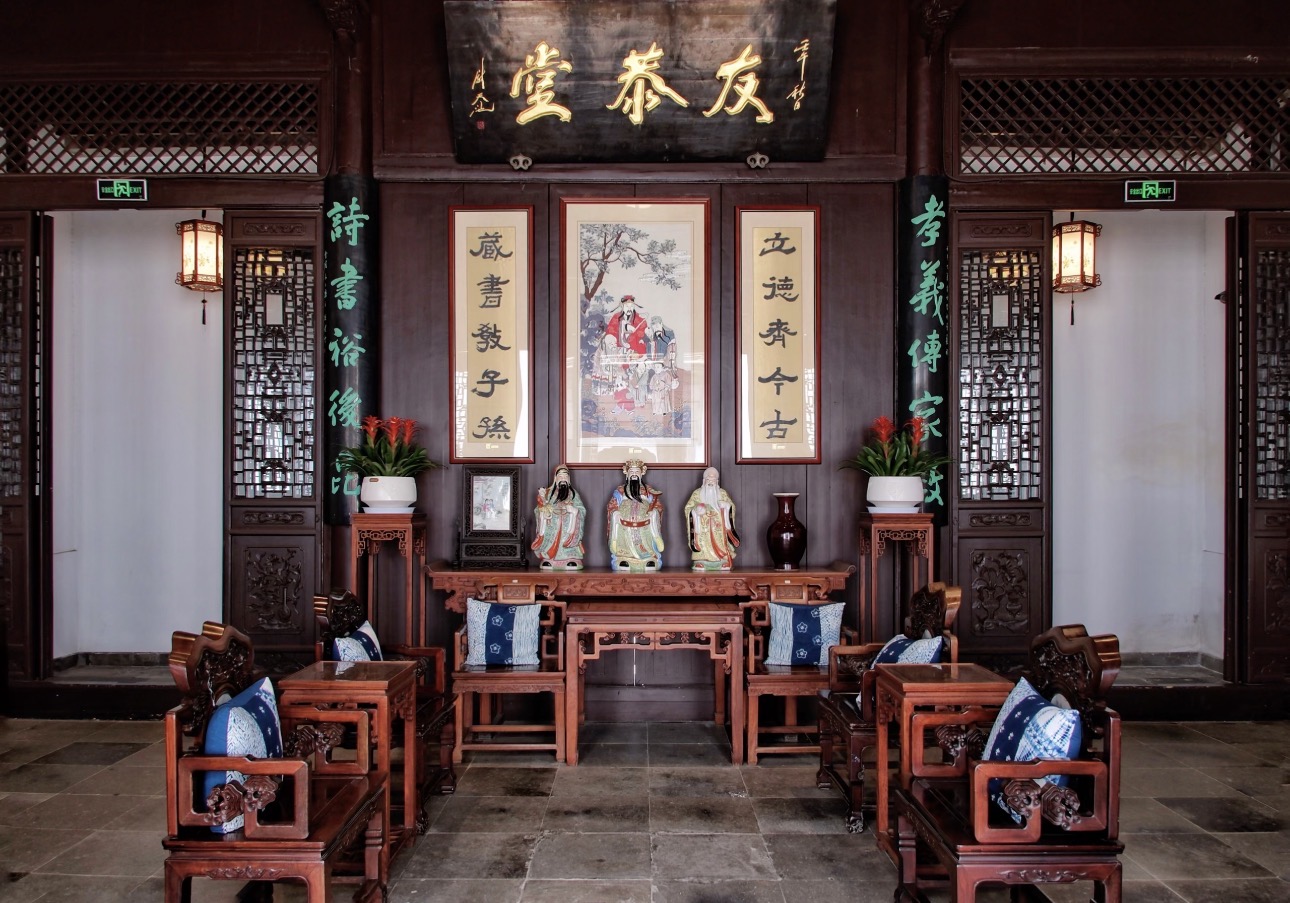
Yougong Hall (Main Hall)

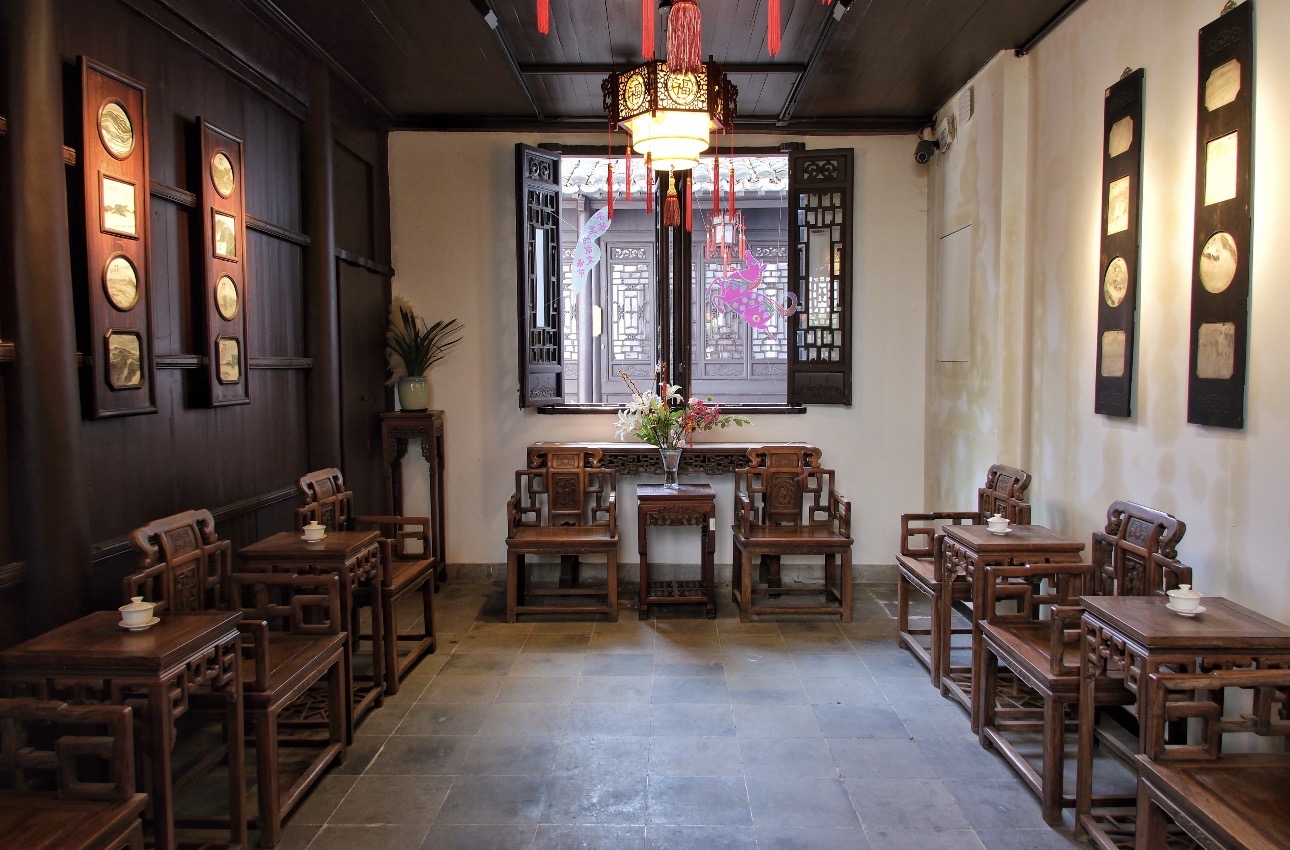
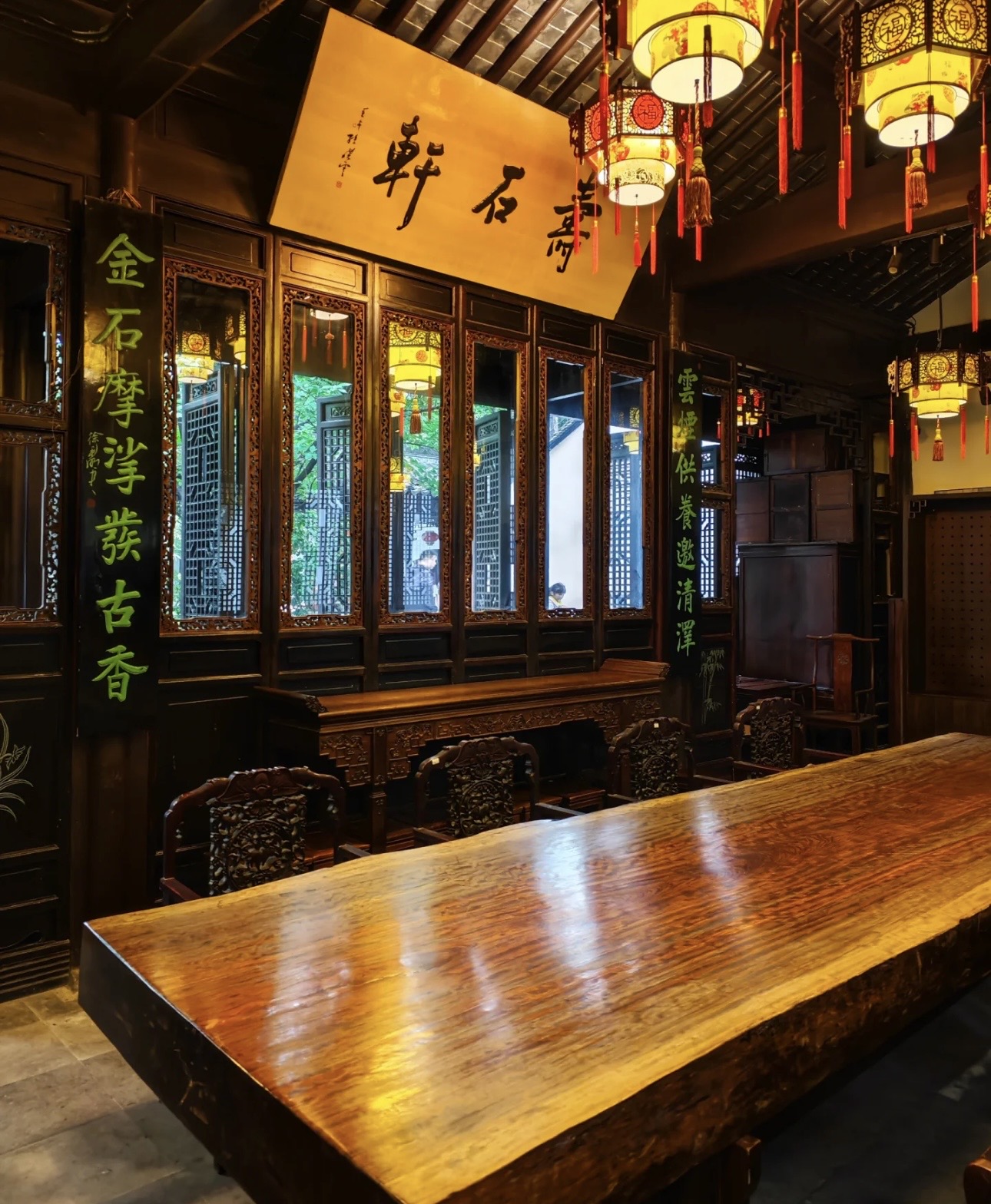
Yougong Hall is the main hall of the Ganxi Former Residence and the highest-ranking courtyard in the complex. It spans five bays with a post-and-lintel structure, featuring fine materials and sturdy beams and columns. The hall's name "Yougong" derives from the Book of Documents, meaning "brotherly love and respectful conduct," reflecting the Gan family's philosophy of household management. A calligraphic name plaque hangs at the center, and traditional furnishings including an Eight Immortals table and grandmaster chairs are arranged according to Qing Dynasty gentry protocols. This hall was used for receiving distinguished guests, holding family councils, and conducting weddings, funerals, and other important ceremonies, making it a vital window into the life of a prominent Nanjing family.

Inner Hall and Echo Hall · 内厅与响厅

🎧 In app
Inner Hall and Echo Hall

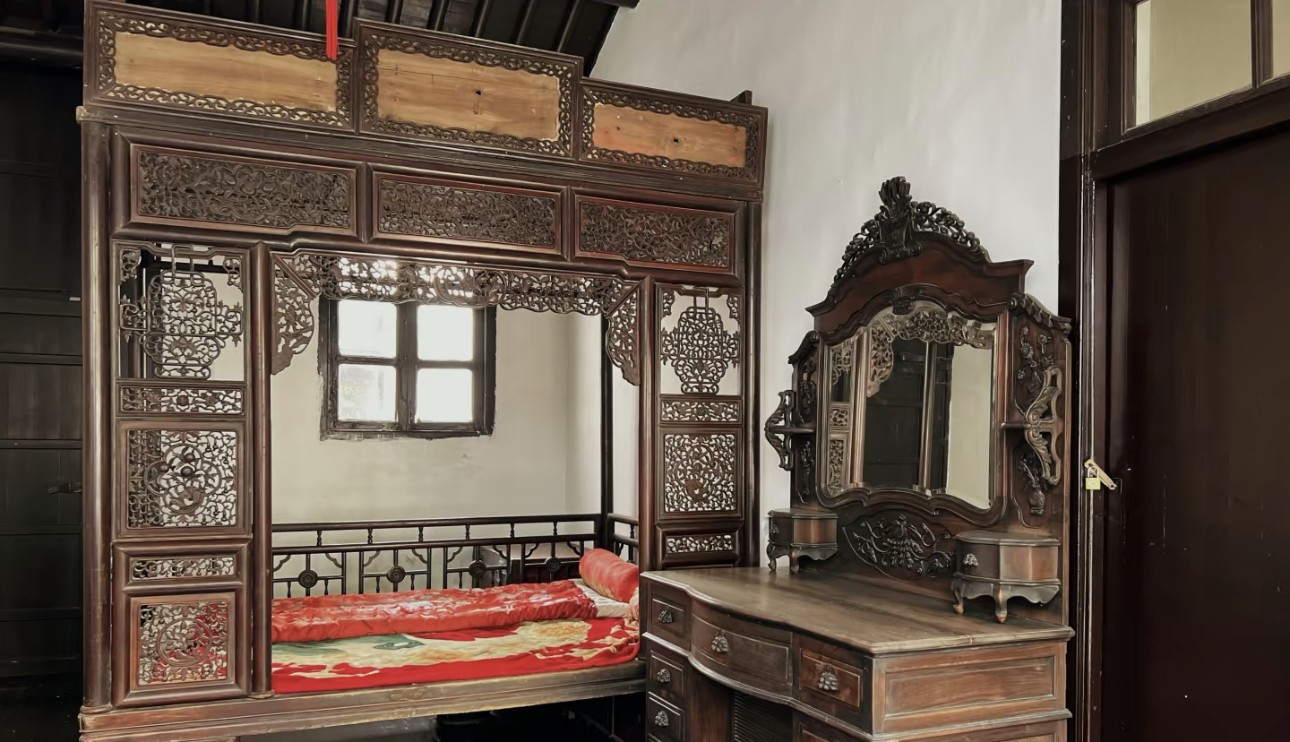
Located behind the main hall, the Inner Hall was the daily living and guest-receiving space for the women of the Gan family. Though slightly smaller in scale than the main hall, it is more finely decorated, with original Qing Dynasty wood carvings on brackets and lattice doors and windows. Adjacent to the Inner Hall, the Echo Hall is one of the most ingenious features of the residence. Ceramic resonating chambers are built beneath its floor, producing a crisp echo when someone walks across, serving both as a burglar alarm and a ceremonial announcement system. This design is extremely rare among Nanjing's traditional residences, fully demonstrating the architectural wisdom of Qing Dynasty craftsmen, and remains one of the most popular interactive experiences for visitors.

Running Horse Building · 跑马楼

🎧 In app
Running Horse Building

The Running Horse Building is the most distinctive residential structure in the Ganxi Former Residence. It features a two-story layout with verandas connecting all four sides, allowing occupants to walk a complete circuit on the upper floor without turning back — resembling a galloping horse, hence the name. This architectural form is uncommon among Jiangnan residences and primarily served to enable family members to move between rooms during inclement weather. The wooden railings are adorned with exquisite carvings of bats, ruyi scepters, and other auspicious motifs symbolizing longevity and good fortune. The floors are connected by wooden staircases, whose handrails still bear the wear marks of generations of daily use by the Gan family.

Study and Side Alley · 书房与备弄

🎧 In app
Study and Side Alley

The Study, located on the west side of the central axis, offers a tranquil setting and served as the dedicated space for the Gan family's children to study, compose poetry, and paint. The room is furnished with a writing desk, brush stand, inkstone, and other stationery items, with calligraphy and paintings by generations of Gan family members hanging on the walls. Adjacent to the Study, the Side Alley is a narrow north-south passage wide enough for only one person, flanked by high walls, connecting the courtyards laterally. In traditional residences, the side alley played a vital role: on ordinary days it allowed servants to move about without disturbing the family, while during fires it served as a firebreak and emergency evacuation route — an indispensable functional space in Nanjing's traditional residential architecture.

Back Garden (Small Garden) and Tingqiu Pavilion · 后花园(小园)与听秋阁

🎧 In app
Back Garden (Small Garden) and Tingqiu Pavilion

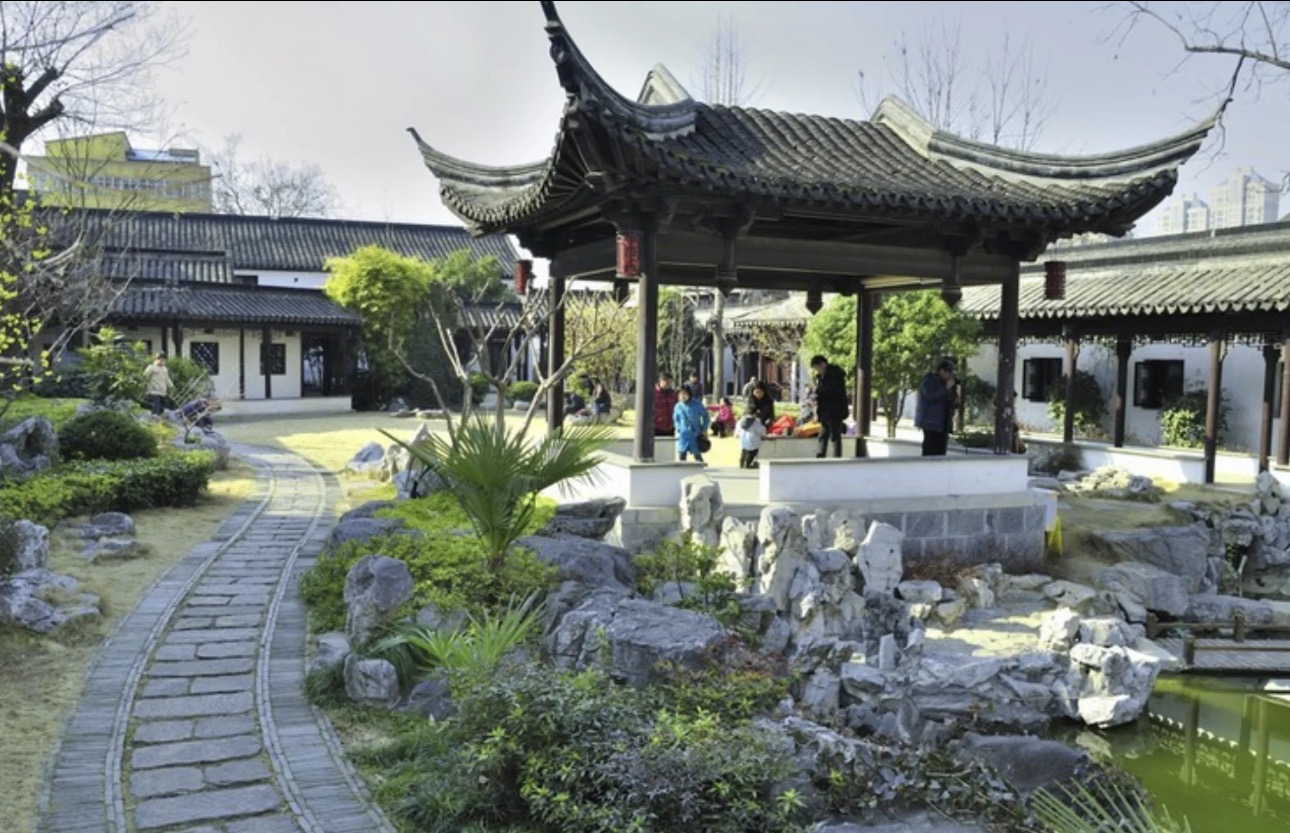
The Back Garden, also known as the Small Garden, is situated at the northernmost end of the residence and served as the Gan family's private retreat. Though modest in area, the garden is ingeniously laid out with rockeries, water features, and abundant plantings including osmanthus, wintersweet, and banana trees, offering scenic views in every season. Tingqiu Pavilion, a two-story structure within the garden, takes its name from the idea of "quietly listening to the sounds of autumn." From its upper floor, visitors can overlook the entire garden. When osmanthus blooms in autumn, enjoying tea and fragrance within the pavilion while listening to the wind and admiring the moon is most delightful. Though not as grand as Suzhou gardens, this garden is celebrated for its ability to suggest vastness within a small space and stands as a typical example of Nanjing's private residential gardens.

Jindai Tower · 津逮楼

🎧 In app
Jindai Tower

Jindai Tower is one of the most culturally significant buildings in the Ganxi Former Residence, serving as the Gan family's private library, built in the mid-Qing Dynasty. The literary Gan family amassed over 100,000 volumes at its peak, spanning classics, histories, philosophy, and literature, with particular strength in local documents and rare editions — rivaling the famous Tianyi Pavilion in Ningbo. The tower's name "Jindai" means "reachable ford," a metaphor for books as the bridge to knowledge. The original structure was destroyed during the Taiping Rebellion, and the current building is a reconstruction based on historical records. Inside, replicas of the Gan family's ancient books and exhibits on the culture of book collecting are displayed, telling the story of a family's enduring dedication to cultural preservation.

Wangyue Tower and Yan Fengying's Former Residence · 望月楼与严凤英旧居

🎧 In app
Wangyue Tower and Yan Fengying's Former Residence

Wangyue Tower, located on the east side of the residence, is a two-story building with windows on all four sides offering expansive views — an ideal spot for the Gan family to admire the moon during the Mid-Autumn Festival or climb for views during the Double Ninth Festival. The interior is simply and elegantly furnished, preserving the original appearance of a Qing Dynasty residence. Adjacent to the tower is the Former Residence of Yan Fengying (1930–1968), the legendary Huangmei Opera performer who married into the Gan family and lived here for many years. The residence displays precious artifacts including her biographical materials, performance photographs, opera costumes, and personal belongings, recreating the life of this great artist in Nanjing and adding a layer of artistic legend to the Ganxi Former Residence.

Jinling Eighteen Workshops and Intangible Cultural Heritage Exhibition Area · 金陵十八坊与非遗展区

🎧 In app
Jinling Eighteen Workshops and Intangible Cultural Heritage Exhibition Area

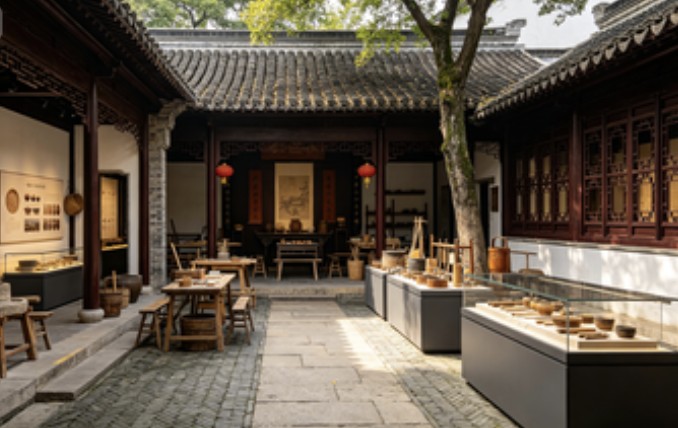
The Jinling Eighteen Workshops and Intangible Cultural Heritage Exhibition Area is the most vibrant interactive space within the residence. The original Eighteen Workshops were a cluster of handicraft workshops in Nanjing's southern city during the Ming and Qing Dynasties. Here, scene reconstructions recreate the authentic atmosphere of traditional workshops for velvet flowers, cloud brocade, lantern-making, and paper-cutting. The heritage exhibition area showcases Nanjing's intangible cultural heritage projects at or above the municipal level, including Yunjin brocade weaving, Jinling sutra printing, and the Qinhuai Lantern Festival. Some projects feature live craft demonstrations where visitors can observe the exquisite skills of heritage inheritors up close and even try certain crafts themselves, experiencing the living charm of traditional culture.

Old Nanjing Folk Customs Exhibition Area · 老南京民俗展区

🎧 In app
Old Nanjing Folk Customs Exhibition Area

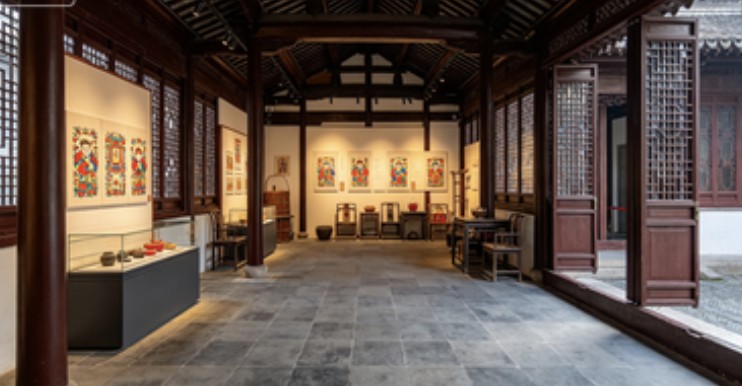
The Old Nanjing Folk Customs Exhibition Area is located in the final courtyard of the residence, combining scene reconstructions with artifact displays to comprehensively present the daily life and folk culture of Nanjing residents during the late Qing and early Republican periods. The exhibition covers themes including wedding customs, festivals, child-rearing, clothing, and food, displaying a large collection of folk artifacts such as bridal sedans, dowries, antique furniture, traditional cooking utensils, and seasonal items. The "Nanjing Wedding Customs" section, featuring a bridal sedan, phoenix coronet, and dragon-and-phoenix curtains, recreates the full traditional wedding procession and is particularly captivating. Miniature models of old Nanjing street scenes vividly recreate the bustling life along the Qinhuai River, making this an excellent destination for understanding Nanjing's local folk culture.

Get the app

The tool solved one problem. The app handles the whole trip.

Per-trip visa judgements, audio guides, prep checklists, and a real human concierge — offline-ready, in your language.

Download for iPhoneFree to download · No OTA upsells