← Nanjing

Nanjing · 老门东历史文化街区

Laomendong Historical and Cultural District

🎫 Ticket Free
🕐 Duration 1.5–3 hours
🕘 Opening Hours 10:00–22:00
🚇 Metro Metro Line 3, Wudingmen Station
📍 Address No. 54 Jianzi Lane, Qinhuai District, Nanjing, Jiangsu Province (Kong Miao Subdistrict) Map ↗
🎧 10 audio walking guides for Laomendong Historical and Cultural District — listen on the spot in the YOLO HAPPY app. →

Inside Laomendong Historical and Cultural District

Men Dong Archway · 门东牌坊

🎧 In app
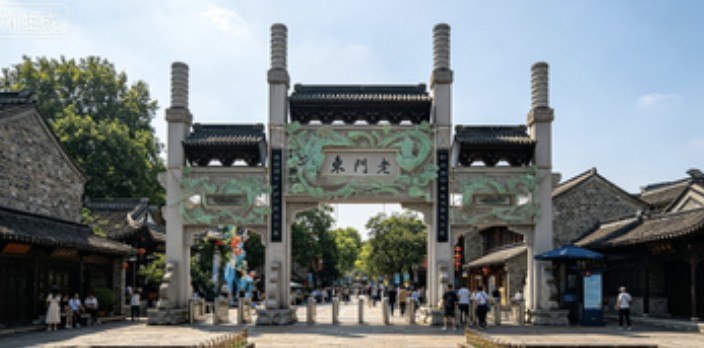
Men Dong Archway

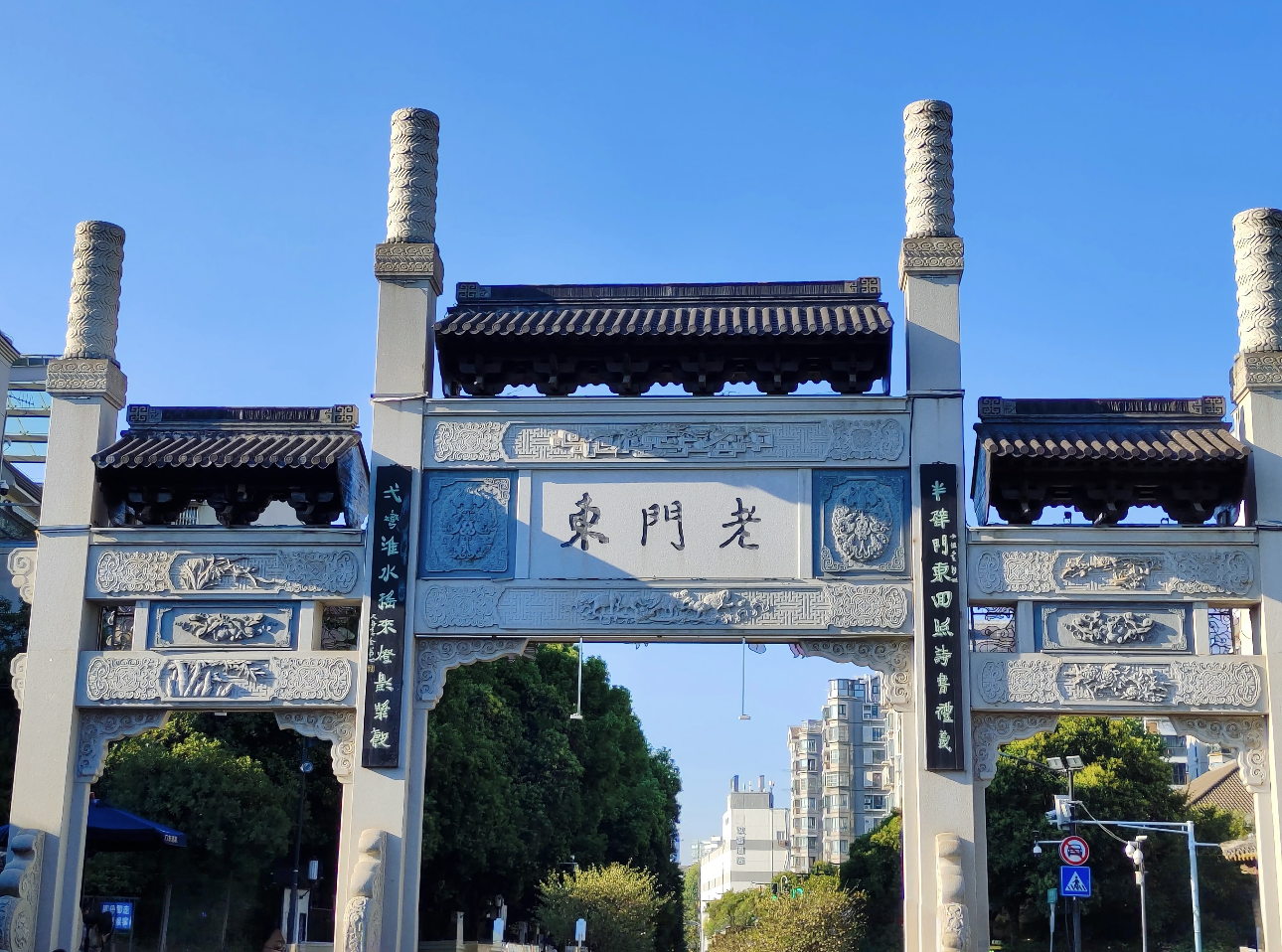
The Men Dong Archway is the principal entrance landmark of the Lao Men Dong Historical and Cultural Block, situated at the northern end of the block. The archway follows a traditional stone structure imitating timber construction, with a four-pillar, three-bay, three-roof layout, built of bluestone and topped with gray tiles. The central plaque bears the three characters "Lao Men Dong," while the flanking pillars are inscribed with couplets in vigorous, archaic calligraphy. The overall design is dignified and graceful, continuing the architectural conventions of traditional Nanjing archways while incorporating the refined aesthetics of Jiangnan gardens. As the gateway to the block, the archway is the first visual focal point for visitors and a popular landmark for photographs, bearing the cultural symbolism of the revitalization of Nanjing's historic southern district.
Gutong Alley · 箍桶巷

🎧 In app
Gutong Alley

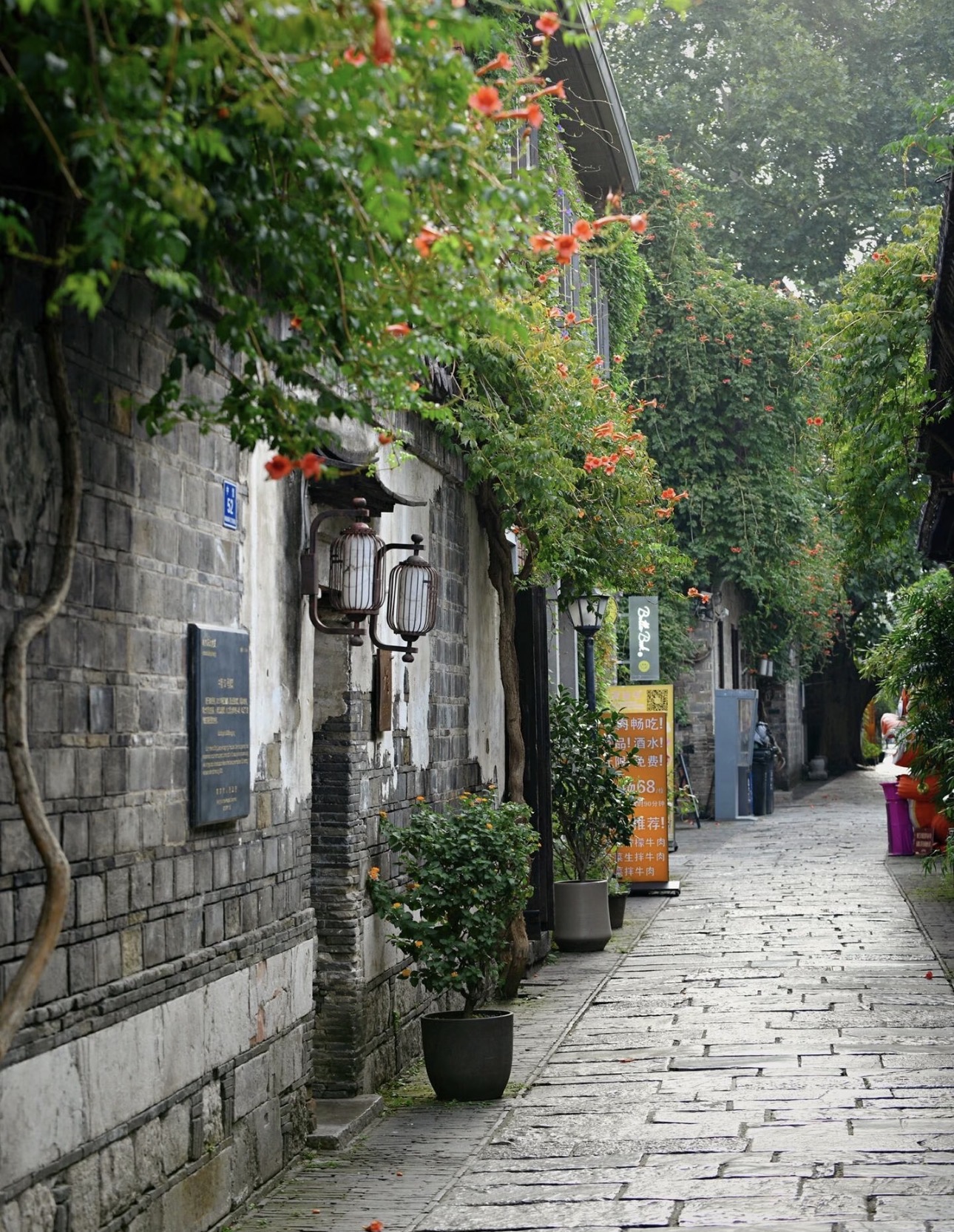
Gutong Alley is a centuries-old lane within the Lao Men Dong Historical and Cultural Block, named after the large number of barrel-making craftsmen who gathered here during the Ming and Qing dynasties. "Gutong" refers to the traditional craft of making wooden barrels by joining wooden staves and securing them with iron hoops—an indispensable trade in the daily life of old Nanjing's southern district. Along both sides of the alley are several preserved and restored traditional residential buildings, featuring whitewashed walls, dark tiles, and prominent horse-head gables, exhibiting the typical architectural style of Jiangnan folk dwellings. Today, Gutong Alley serves as a main pedestrian route of the block, lined with specialty restaurants, creative shops, and intangible cultural heritage exhibition spaces, organically integrating historical character with modern commerce, making it an excellent destination for experiencing the urban folk culture of southern Nanjing.

Street Sculpture Group · 街头雕塑群

🎧 In app
Street Sculpture Group

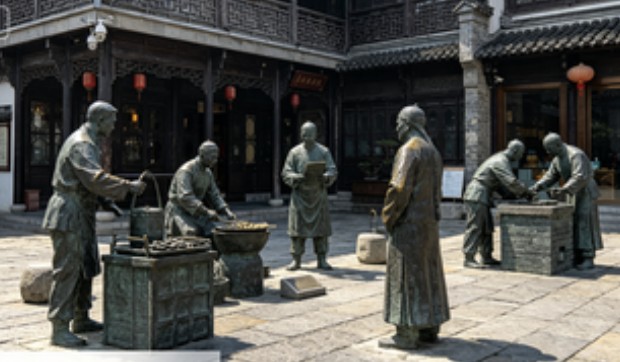
The Street Sculpture Group is scattered throughout the alleys and squares of the Lao Men Dong block, realistically recreating the diverse scenes of everyday life in old Nanjing's southern district. The sculptures cover a wide range of subjects, including peddlers carrying shoulder poles and hawking goods, craftsmen mending pots and bowls, elderly people gathered around chess games, and children playing with shuttlecocks and jump ropes. All are cast in bronze, with vivid and expressive figures and meticulous attention to detail. These sculptures complement the traditional architectural environment of the block, adding rich cultural charm to the historic district and serving as popular photo spots for visitor interaction. More than mere art installations, the sculpture group constitutes a three-dimensional illustrated guide to Nanjing folk culture, allowing visitors to directly experience the vibrant atmosphere and cultural memories of the old southern district while strolling through the block.

Santiao Ying and Jiang Shoushan's Former Residence · 三条营与蒋寿山故居

🎧 In app
Santiao Ying and Jiang Shoushan's Former Residence

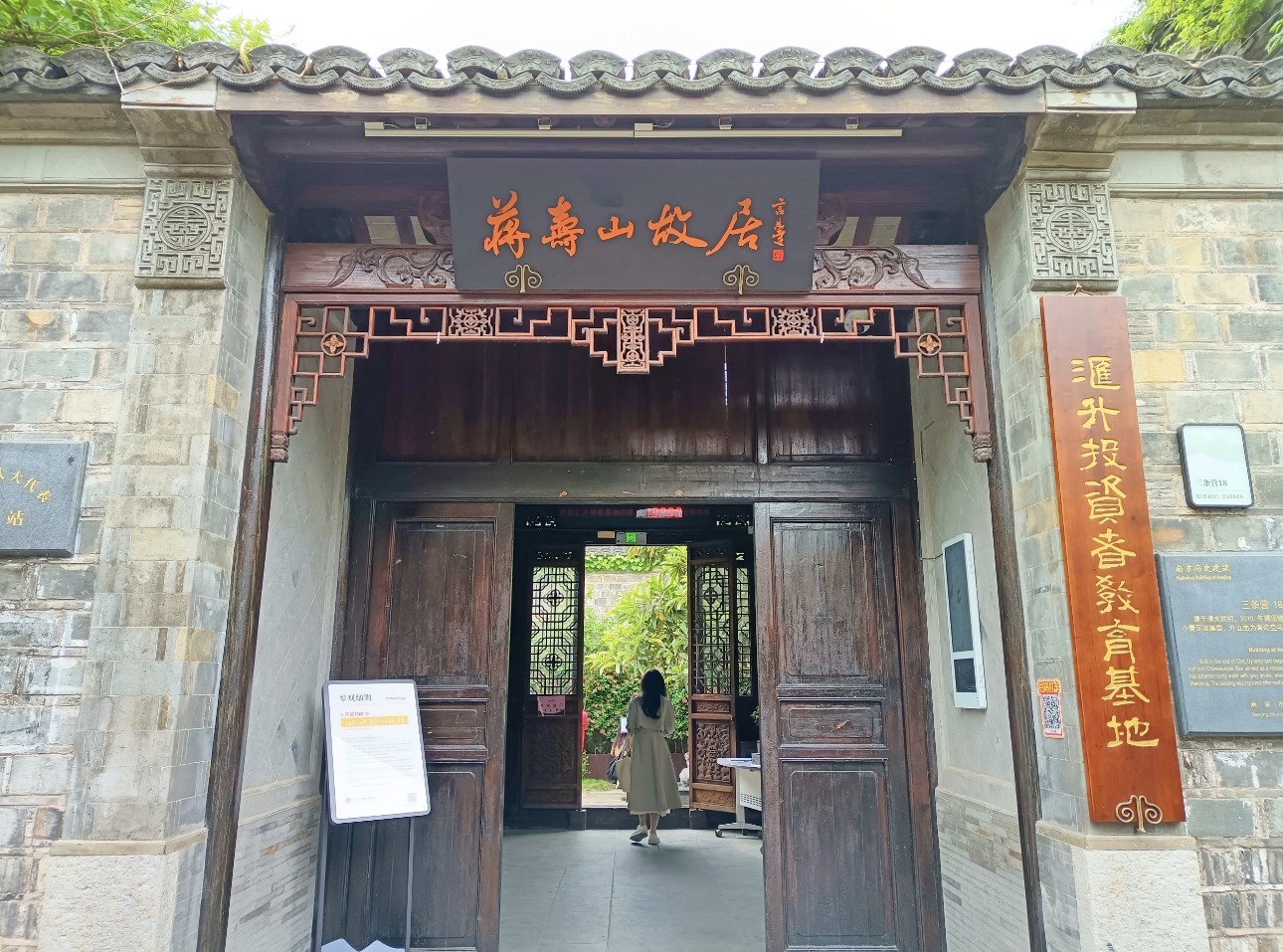
Santiao Ying is a relatively well-preserved historic alley within the Lao Men Dong block, named after the military camps stationed here during the Ming and Qing dynasties. The alley contains several restored and protected traditional residential courtyards. The Former Residence of Jiang Shoushan, located within Santiao Ying, was the residence of Jiang Shoushan, a prominent Huizhou merchant in Qing-era Nanjing. The building faces south with a multi-courtyard progressive layout, featuring an exquisitely ornate brick-carved gate tower and well-preserved wooden structural frames, representing a typical example of traditional residential architecture in the Nanjing area. The residence now serves as a cultural exhibition space open to the public. Together, Santiao Ying and the Jiang Shoushan Residence form the core historic and cultural area of the Lao Men Dong block, providing an important window into understanding the residential architecture and mercantile culture of southern Nanjing.

Jianzi Alley and Jinling Art Museum · 剪子巷与金陵美术馆

🎧 In app
Jianzi Alley and Jinling Art Museum

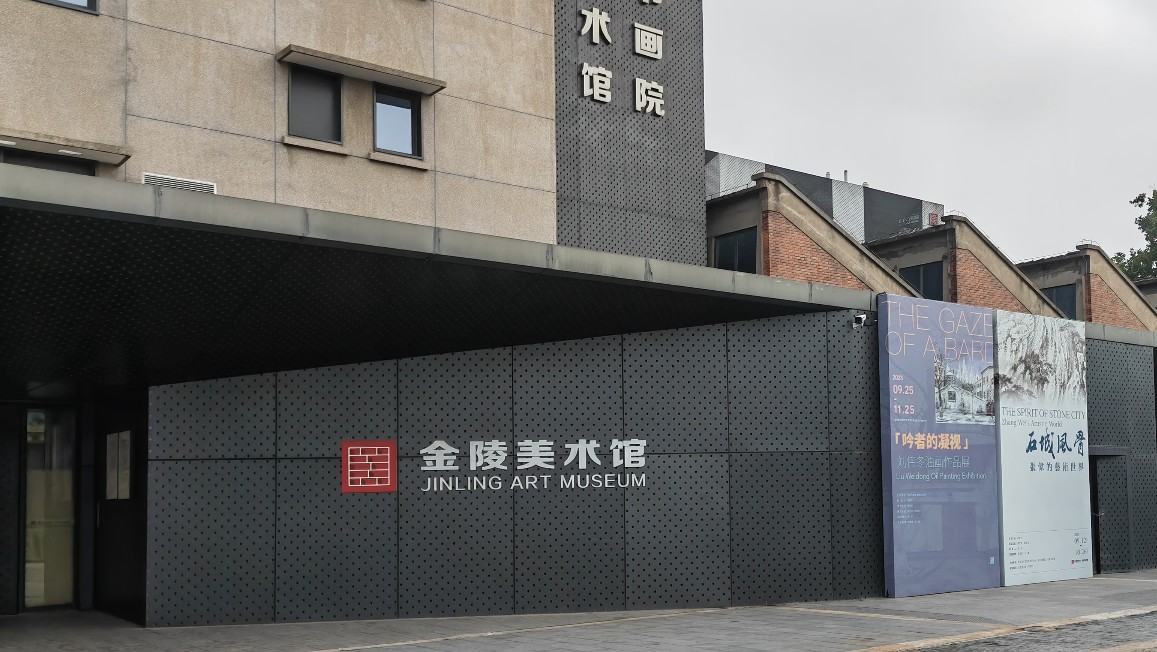
Jianzi Alley is a historic lane within the Lao Men Dong block, named after the numerous scissor-making workshops that gathered here during the Ming and Qing dynasties, bearing witness to the prosperity of old Nanjing's handicraft industry. Traditional residential buildings line both sides of the alley, with blue bricks, gray tiles, and a serene, rustic atmosphere. The Jinling Art Museum, located within Jianzi Alley, was converted from the former Nanjing Color Weaving Factory, ingeniously blending industrial heritage with modern design language. The museum primarily showcases contemporary art, encompassing painting, sculpture, installation, video, and other art forms, and regularly hosts domestic and international art exhibitions and public education programs. The historical charm of Jianzi Alley and the artistic vitality of the Jinling Art Museum complement each other, making it a landmark space where traditional culture and modern art converse within the Lao Men Dong block.

Shangjiang Examination Hall · 上江考棚

🎧 In app
Shangjiang Examination Hall

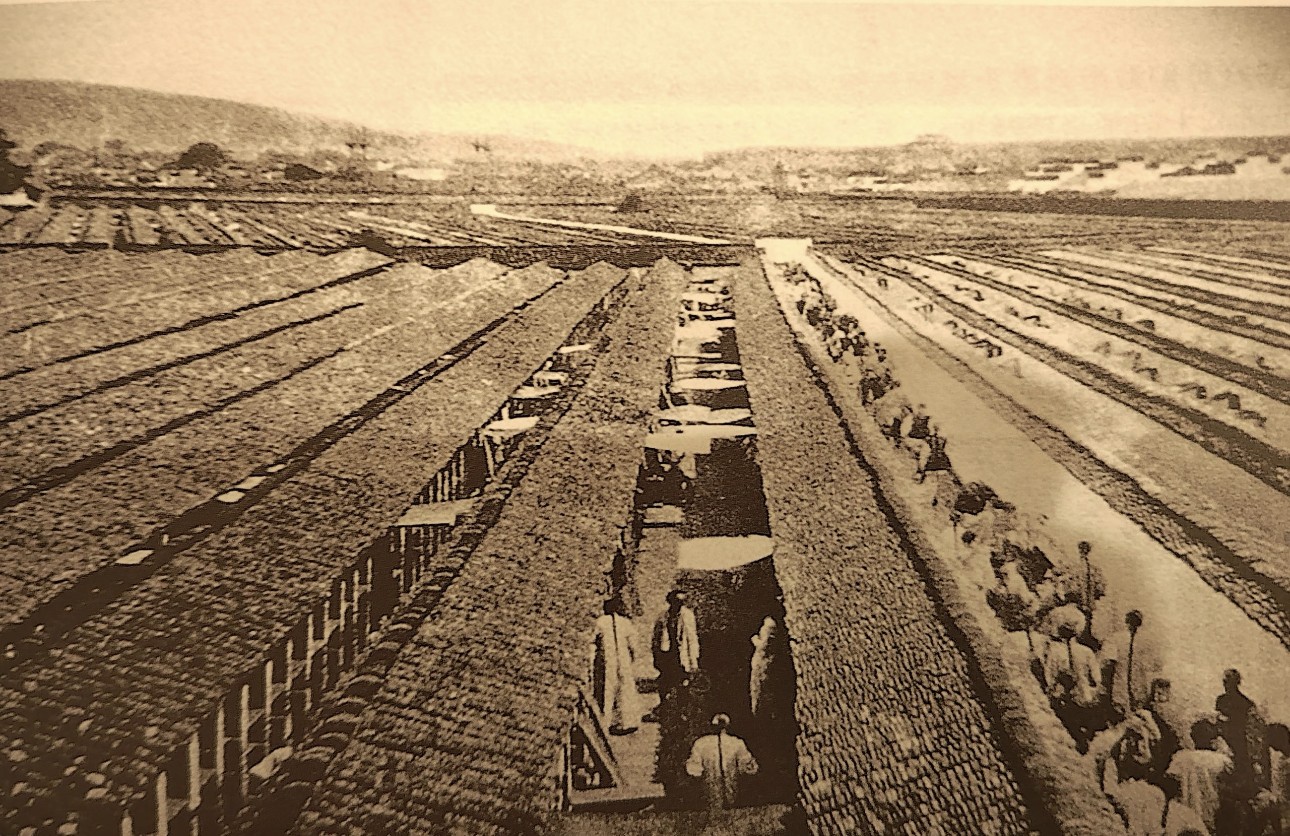
The Shangjiang Examination Hall is a historic site of profound imperial examination cultural significance within the Lao Men Dong block. During the Qing dynasty, Nanjing housed the Jiangnan Examination Hall, the largest provincial examination venue in the nation, and the Shangjiang Examination Hall served as the preparation and lodging facility for candidates from Anhui Province ("Shangjiang" refers to Anhui) traveling to Nanjing for examinations. The site preserves partial building foundations and historical stone inscriptions, and after restoration, it has been opened to the public as an imperial examination culture exhibition space. Exhibitions cover the evolution of the ancient examination system, reconstructions of examination hall regulations, and displays of examination-related artifacts, systematically introducing the historical development and social impact of the imperial examination system through combined illustrative panels and physical displays. The Shangjiang Examination Hall is an important physical witness to Nanjing's role as a center of imperial examination culture and a significant reflection of the cultural depth of the Lao Men Dong block.

Fu Shanxiang's Former Residence · 傅善祥旧居

🎧 In app
Fu Shanxiang's Former Residence

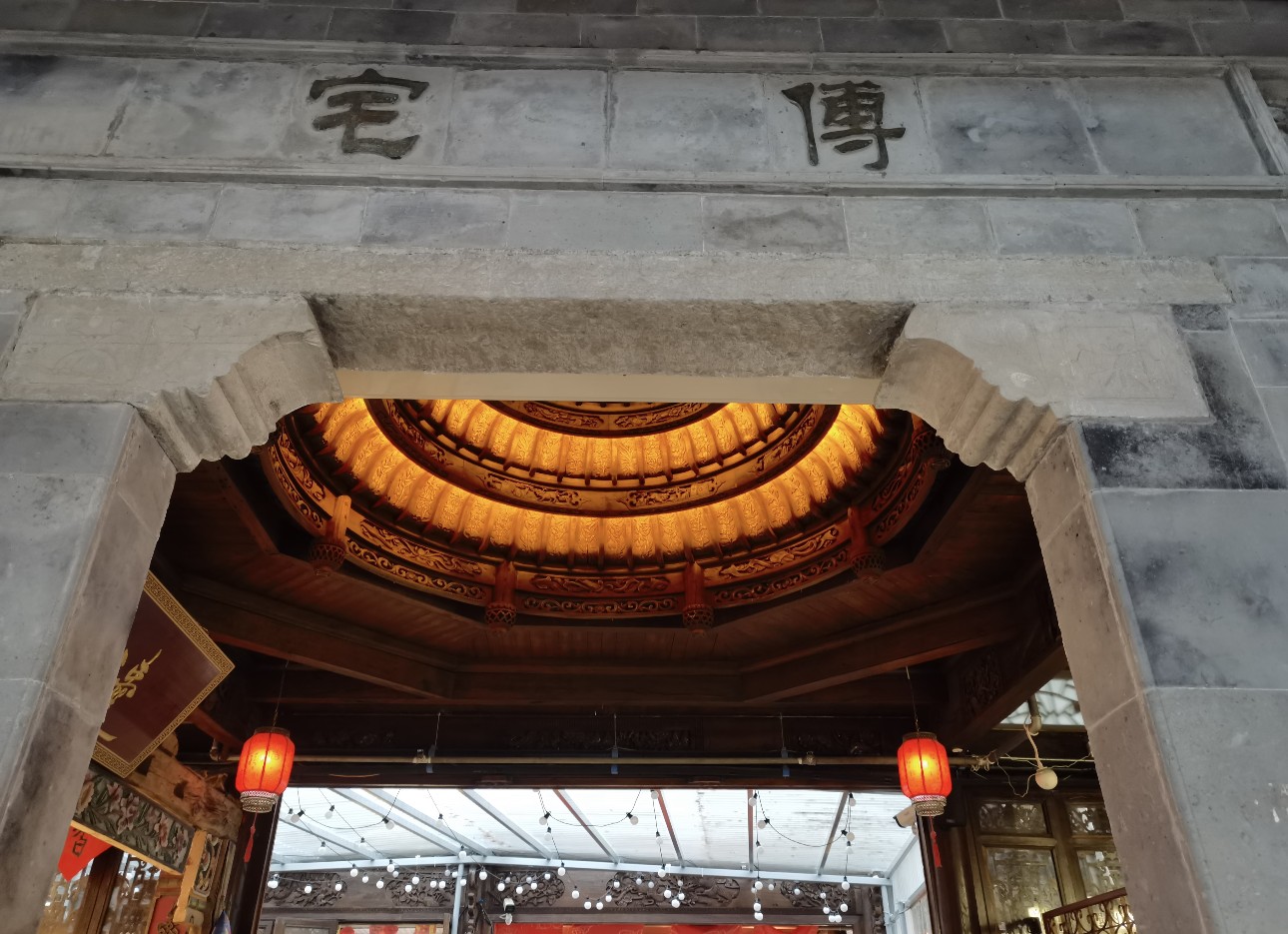
The Former Residence of Fu Shanxiang is a historic building within the Lao Men Dong block closely associated with a legendary woman. Fu Shanxiang (1833—1856), a native of Nanjing, participated in the women's imperial examination during the Taiping Heavenly Kingdom period and was appointed as the female top scholar for her outstanding talent, becoming the only female top scholar in Chinese history. The residence is a traditional courtyard-style folk dwelling, featuring blue brick walls, small gray tiles, and wooden doors and windows, with a compact and elegant layout, embodying the typical characteristics of middle-class residences in southern Nanjing. After restoration and preservation, the building is now open to the public with an exhibition themed on Fu Shanxiang's life and deeds. Through historical documents, photographs, and scene reconstructions, it tells the legendary story of this female top scholar who served as a female secretary in the Taiping Heavenly Kingdom government and participated in political affairs, showcasing the unique life of an extraordinary woman who pursued knowledge and ideals in turbulent times.

Jiezi Garden · 芥子园

🎧 In app
Jiezi Garden

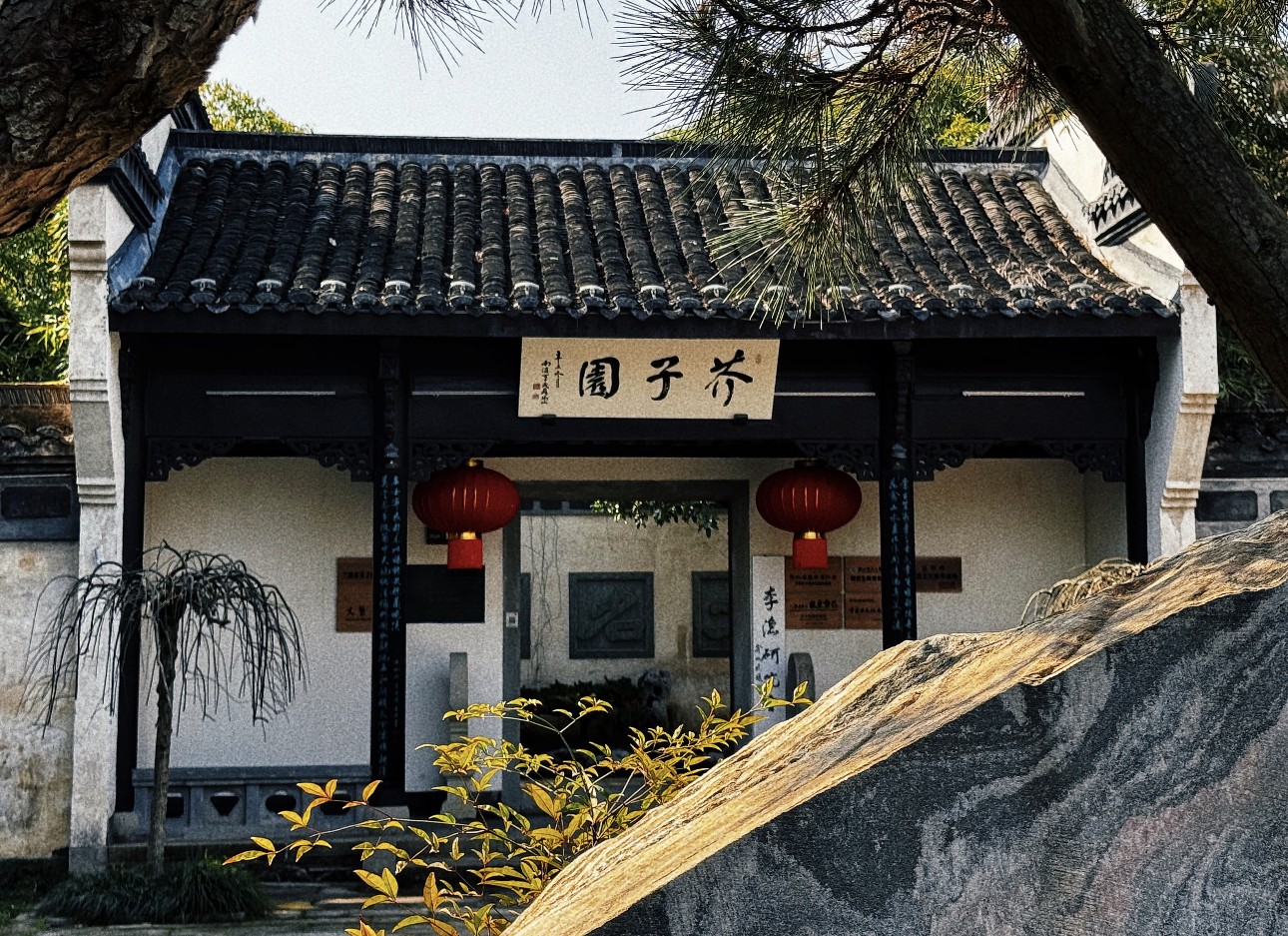
Jiezi Garden is the private garden built in Nanjing by Li Yu (1611—1680), a renowned literatus and dramatist of the Ming-Qing transition period. Named after the Buddhist concept of "a mustard seed containing Mount Sumeru," it symbolizes seeing the infinite within the finite—the cosmos within a small space. Although the original garden no longer exists, the present Jiezi Garden was reconstructed near the original site within the Lao Men Dong block. The garden features rockery arrangements, water features, pavilions, corridors, and terraces, employing refined landscaping techniques to create the illusion of vast natural scenery within a compact space, fully embodying Li Yu's aesthetic philosophy of garden design. The garden houses a Li Yu cultural exhibition introducing his achievements in literature, drama, garden design, and publishing. Though modest in size, Jiezi Garden offers richly layered scenery that shifts with every step, making it an important destination for understanding classical Chinese garden art and Li Yu's cultural legacy.

Yao Nai's Former Residence (Xibaoxuan) · 姚鼐故居(惜抱轩)

🎧 In app
Yao Nai's Former Residence (Xibaoxuan)

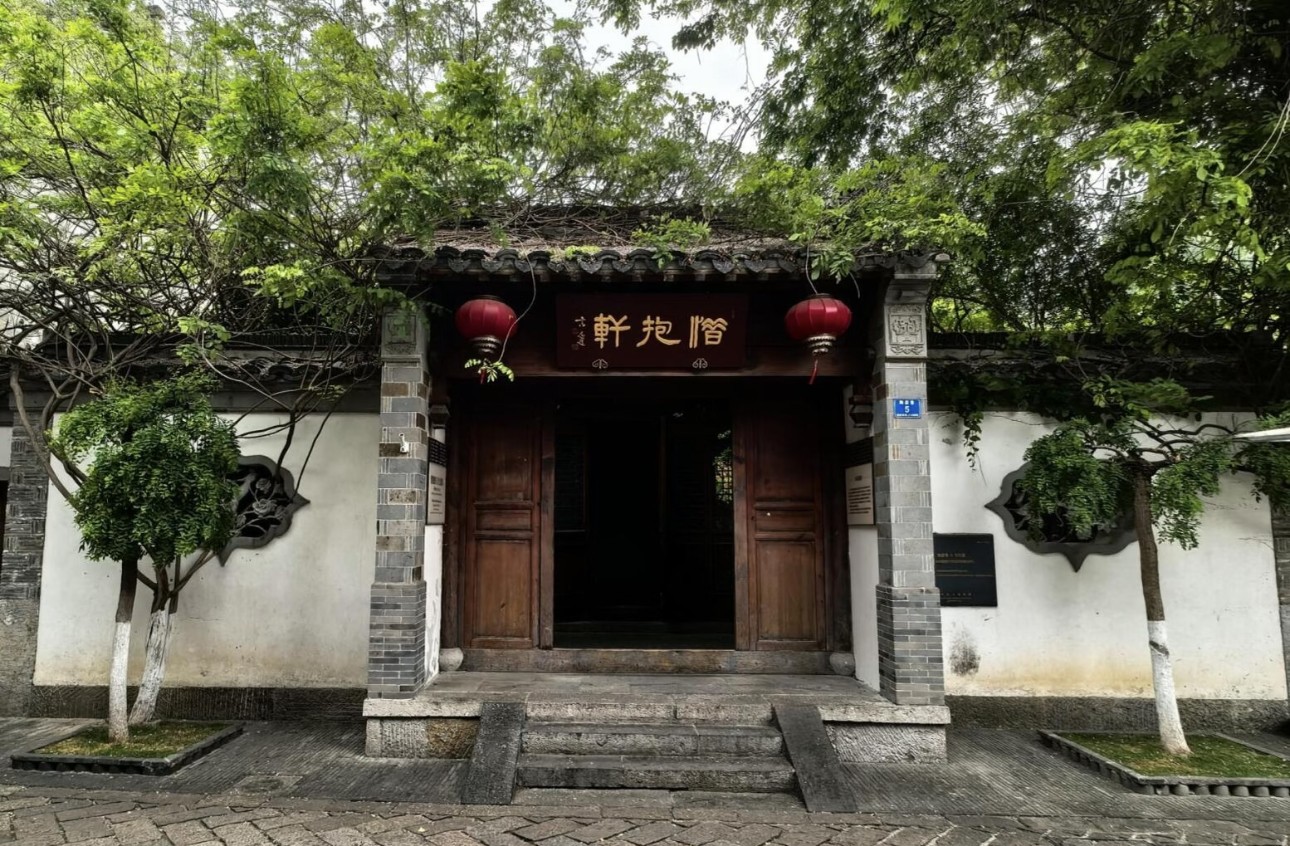
Yao Nai's Former Residence (Xibaoxuan) is an important cultural celebrity residence within the Lao Men Dong block. Yao Nai (1732—1815), courtesy name Jichuan, was a renowned prose master and scholar of the Qing dynasty and the synthesizer of the Tongcheng School. His study was named "Xibaoxuan," hence he was known as "Master Xibao." The residence is a traditional courtyard-style building, facing south with a brick-and-wood structure, featuring a tranquil and elegant courtyard with lush plants, embodying the typical character of a Qing dynasty literati dwelling. Yao Nai presided over the Zhongshan Academy in Nanjing for decades, making outstanding contributions to the city's educational and cultural enterprises. The residence houses an exhibition on Yao Nai and Tongcheng School culture, displaying his writings, academic achievements, and the lineage of the Tongcheng School literary tradition. This is an important place to experience the atmosphere of Qing dynasty scholarly culture and understand the literary principles of the Tongcheng School.

Ming City Wall (Lao Men Dong Section) · 明城墙(老门东段)

🎧 In app
Ming City Wall (Lao Men Dong Section)

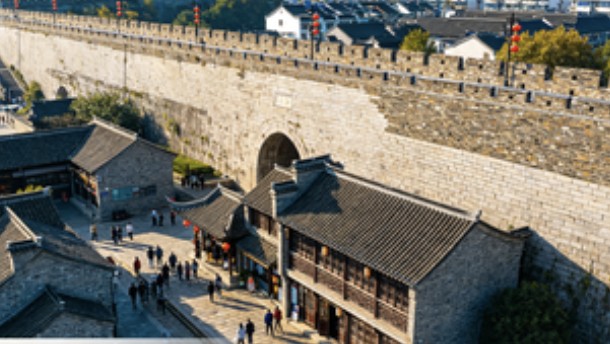
The Ming City Wall (Lao Men Dong Section) is an important component of the Nanjing Ming City Wall. Construction of the Nanjing Ming City Wall began in the twenty-sixth year of the Zhizheng era of the Yuan dynasty (1366) and took over twenty years to complete, making it one of the largest and best-preserved ancient city walls in the world. The Lao Men Dong section extends along the southern side of the block, built with massive stone block foundations and brick masonry, towering and majestic, still standing firm after more than six hundred years. This section features pedestrian stairs allowing visitors to ascend the wall and enjoy panoramic views of the whitewashed walls and dark-tiled traditional buildings of the Lao Men Dong block and the southern city, as well as distant views of Purple Mountain, Yuhuatai, and other urban landmarks. The wall itself is the most direct witness to Nanjing's urban history, and together with the Lao Men Dong historic block, constitutes the most profoundly rich historical and cultural landscape of southern Nanjing.

Get the app

The tool solved one problem. The app handles the whole trip.

Per-trip visa judgements, audio guides, prep checklists, and a real human concierge — offline-ready, in your language.

Download for iPhoneFree to download · No OTA upsells