← Nanjing

Nanjing · 南京总统府(长江路288号入园口)

Nanjing Presidential Palace (Entrance at 288 Changjiang Road)

🎫 Ticket 35 RMB
🕐 Duration 2–3 hours
🕘 Opening Hours - **Opening hours:** - March 1–October 14: 8:30–18:00 (last entry at 17:10) - October 15–November 30: 8:30–17:30 (last entry at 16:40) - December 1–February 28 (29) of the following year: 8:30–17:00 (last entry at 16:10) - **Closing time:** Except for the Spring Festival holiday, there are no fixed closing days throughout the year - **Recommended visiting time:** 2–3 hours
🚇 Metro Metro Line 2, Daxinggong Station
📍 Address No. 292 Changjiang Road, Xuanwu District, Nanjing, Jiangsu Province Map ↗
⚠️ BookingAdvance reservation required
🎧 13 audio walking guides for Nanjing Presidential Palace (Entrance at 288 Changjiang Road) — listen on the spot in the YOLO HAPPY app. →

Inside Nanjing Presidential Palace (Entrance at 288 Changjiang Road)

Gate Tower · 门楼

🎧 In app
Gate Tower

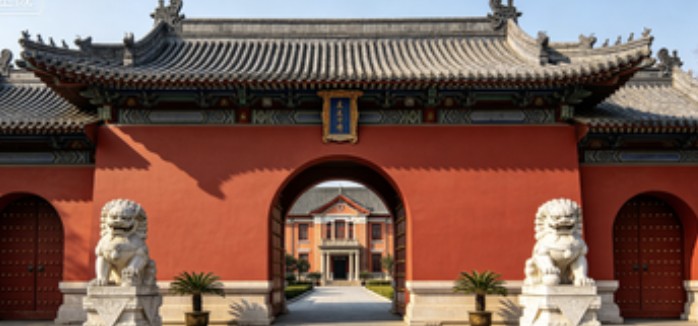
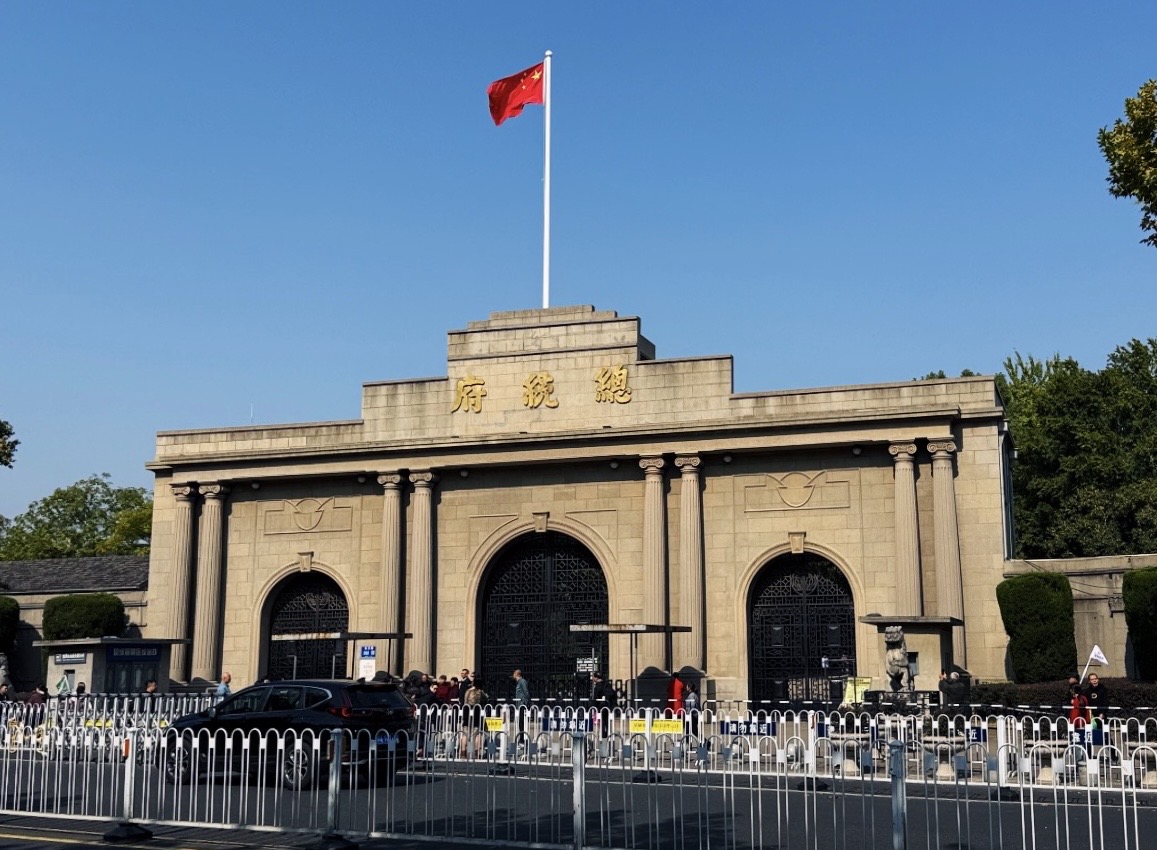
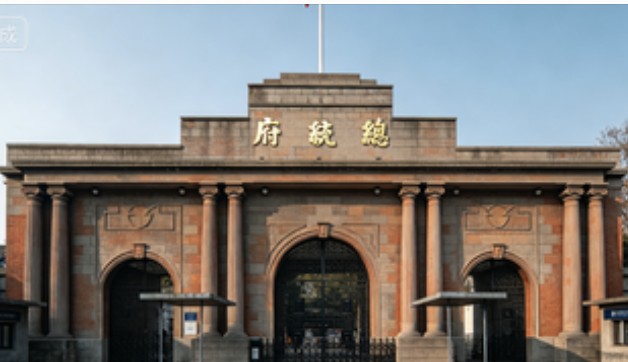
The Gate Tower is the iconic entrance of the Nanjing Presidential Palace, built in 1929 by Yao Xizhou's construction firm. This brick-and-concrete structure spans three bays and features Western classical column design, with eight Ionic columns on its facade creating an imposing presence. The tower originally displayed a plaque reading "National Government," replaced with "Presidential Palace" in 1948. Standing approximately 10 meters tall with flanking guard rooms, the gate combines Chinese and Western architectural elements in an elegant and dignified design. The square in front witnessed numerous major historical events, including the planting of the red flag on April 24, 1949, marking the transition of power.
Guard Rooms and Main Hall · 朝房与大堂

🎧 In app
Guard Rooms and Main Hall

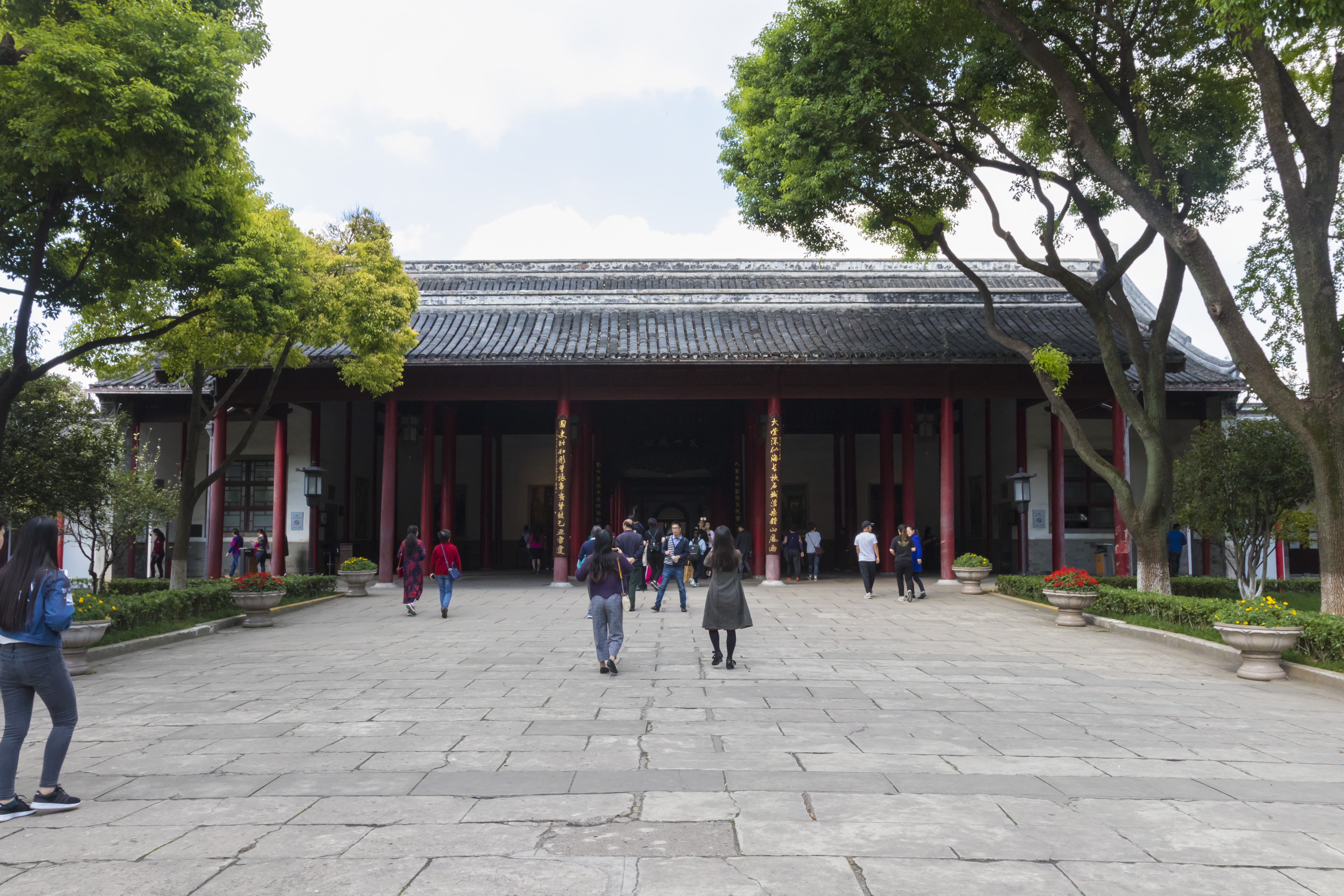
Upon passing through the Gate Tower, the flanking Guard Rooms originally served as duty stations for guards and aides and now house exhibition spaces. A spacious corridor between them leads to the Main Hall. The hall originally served as the principal hall of the Taiping Heavenly Kingdom's palace, later as the main hall of the Qing Governor's office, and during the National Government era as a venue for important meetings and receptions. This seven-bay building with a flush gable roof features a lofty, solemn interior. A plaque with Dr. Sun Yat-sen's calligraphy "The World Belongs to All" hangs at the center.

Second Hall and Bashiting Hall · 二堂与八字厅

🎧 In app
Second Hall and Bashiting Hall

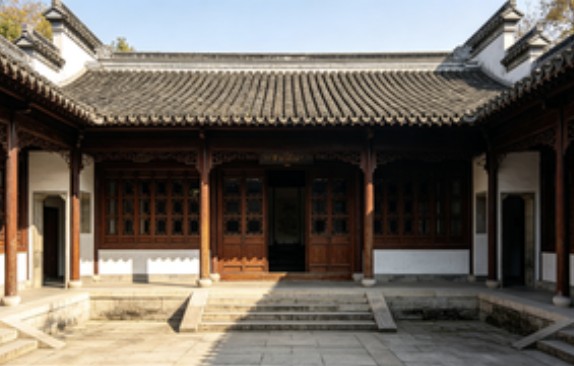
The Second Hall sits behind the Main Hall as the second building along the central axis, originally part of the Qing Governor's office and Taiping palace. This five-bay hall blends Chinese and Western interior decoration and served as the formal reception room for the National Government chairman and president. Behind it lies Bashiting Hall, named after the splayed walls flanking its entrance that form the Chinese character "ba" (eight). This Sino-Western hybrid building features a spacious, well-lit interior and was used for important diplomatic receptions and ceremonial events. A courtyard connects the two halls, creating a layered spatial sequence. Decorative details retain historical traces from different periods.

Qilin Gate and Bureau of Government Affairs Building · 麒麟门与政务局大楼

🎧 In app
Qilin Gate and Bureau of Government Affairs Building

Qilin Gate is a key node on the central axis of the Presidential Palace — a screen-style gate named for the qilin (mythical beast) relief embedded above its lintel. In Chinese culture, the qilin symbolizes auspiciousness and benevolence, and its placement here signifies national peace and prosperity. The gate was normally closed, opened only for distinguished guests, serving as a visual screen and ceremonial boundary. Beyond it stands the Bureau of Government Affairs Building, a three-story Western-style structure built during the Republican era that housed the bureau's offices. The interior preserves original office layouts and furnishings, illustrating the administrative operations of the National Government.

Zichao Building and Presidential Office · 子超楼及总统办公室

🎧 In app
Zichao Building and Presidential Office

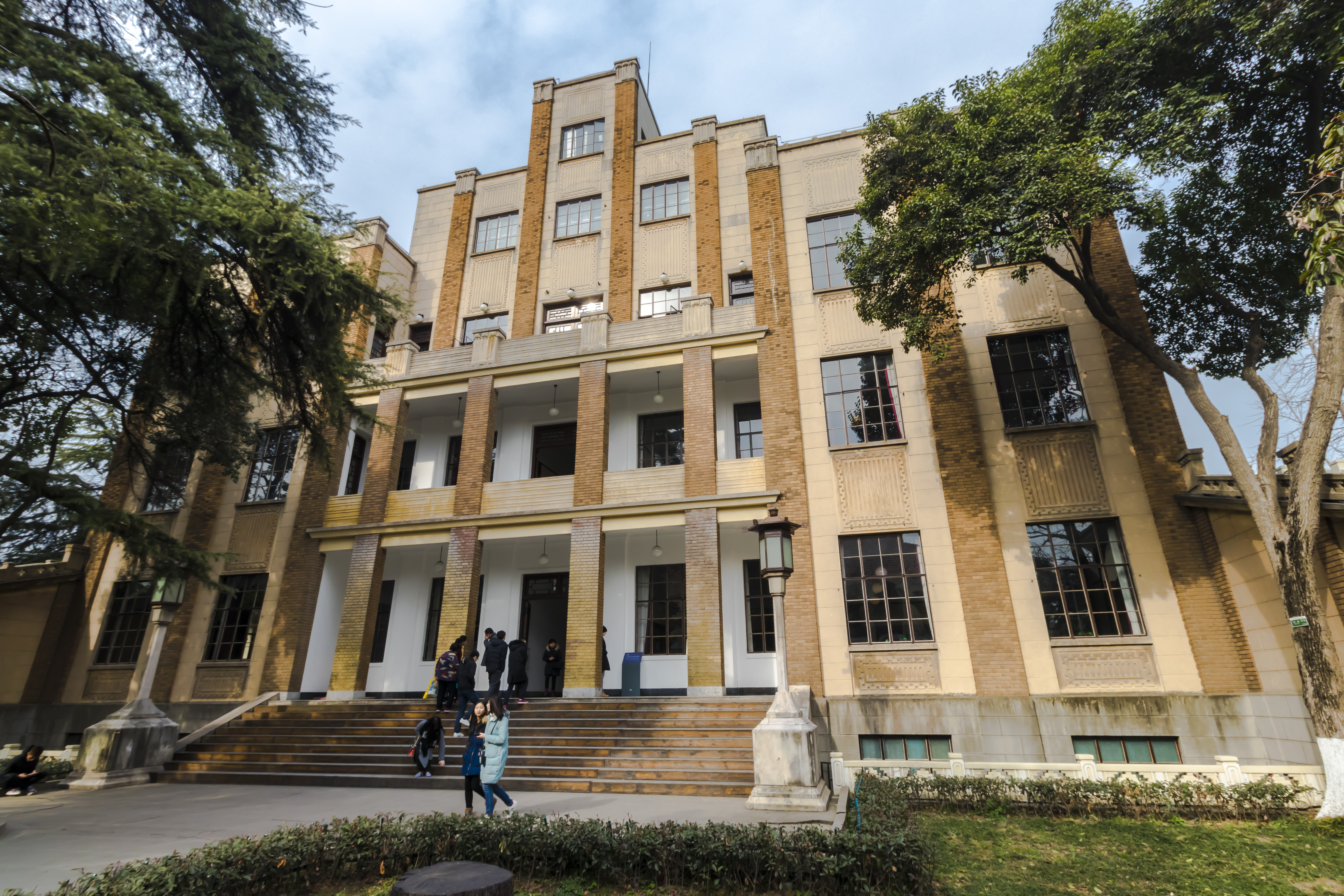
Zichao Building stands at the northernmost end of the central axis, built in 1934 and named after National Government Chairman Lin Sen (courtesy name Zichao), who initiated its construction. This three-story Sino-Western hybrid building features brown brick facing and a clean, dignified design. The first floor housed the Bureau of Documents, the second floor contained the offices of the Secretary-General and the Aide-de-Camp General, and the third floor held Chiang Kai-shek's presidential office. The office preserves original furnishings including the desk, filing cabinets, and sofa, with photographs and maps of Chiang on the walls. Windows offer views of Xuyuan Garden to the west.

Fuyuan Garden · 复园

🎧 In app
Fuyuan Garden

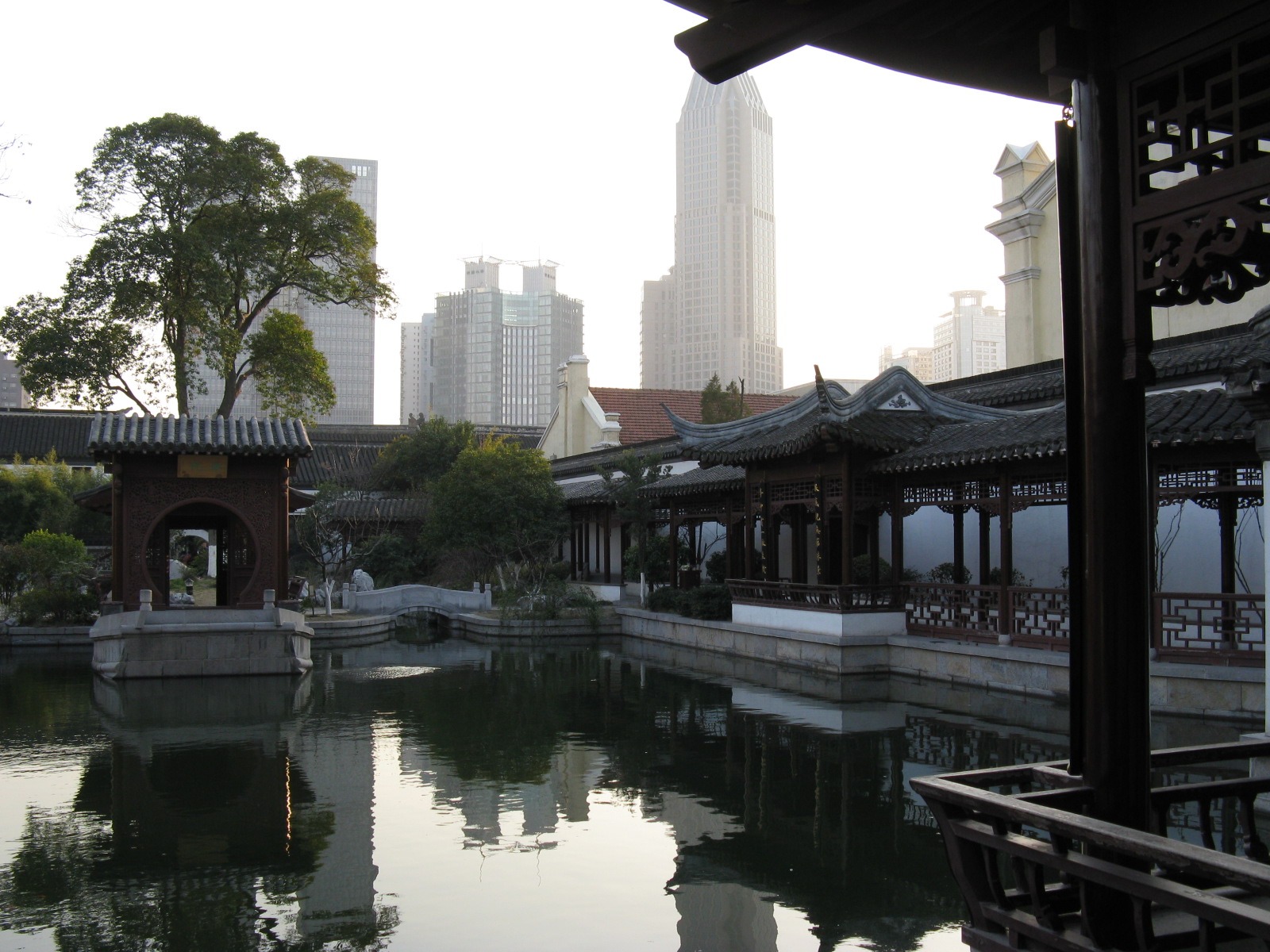
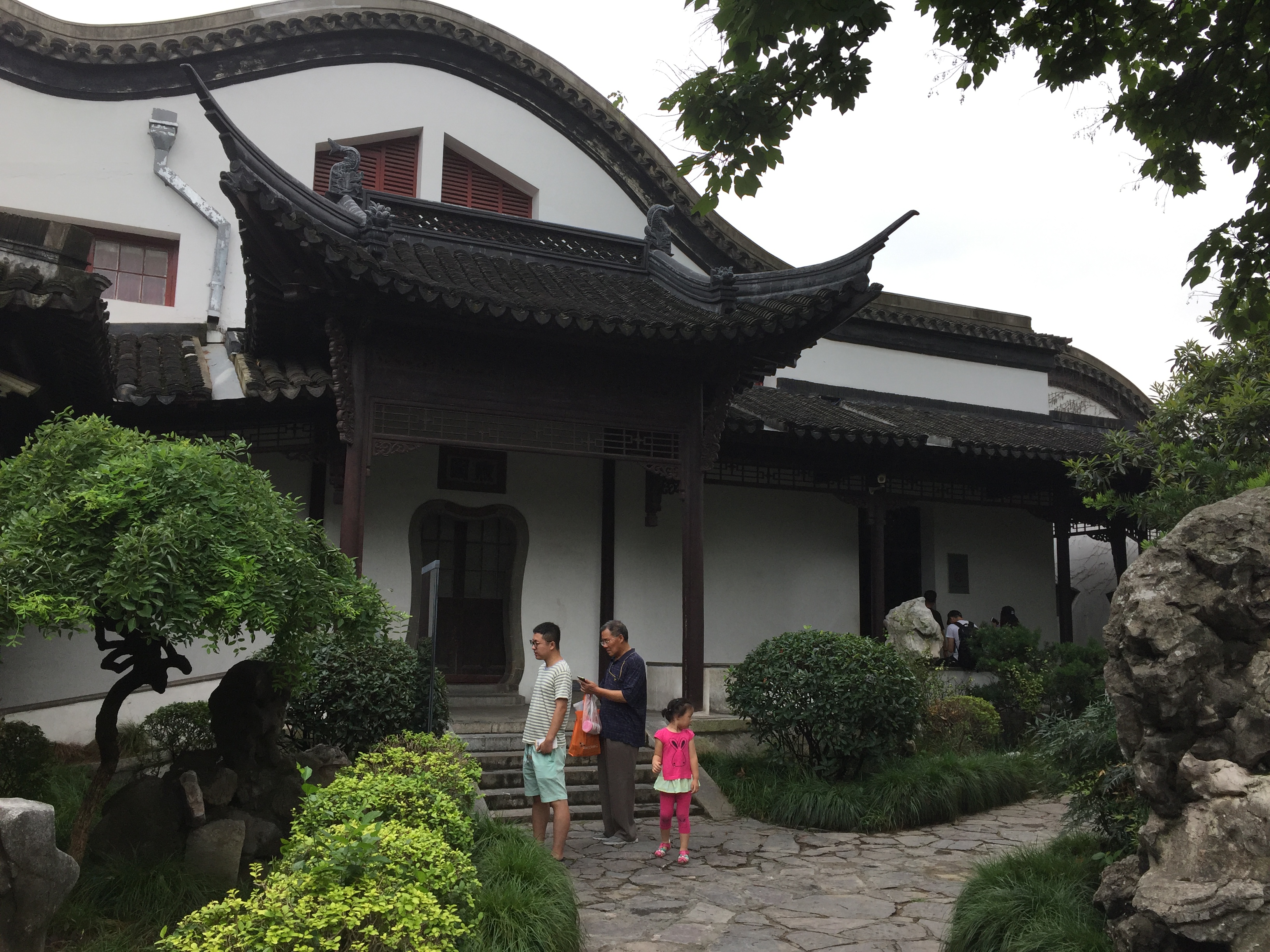
Fuyuan Garden is located on the east side of the Presidential Palace, rebuilt on the site of the East Garden of the Qing Governor's office. Centered on water features, the garden features pavilions, terraces, towers, and winding corridors arranged in a typical Jiangnan private garden style. Key sights include Wangfei Pavilion, Yilan Pavilion, and Tongyin Hall, with elegant architecture complemented by flowers, trees, water, and rockery. The garden was part of the Taiping Heavenly Kingdom's palace before being damaged in war, and has been restored based on historical records. Exhibitions on the Qing Governor's office history are displayed within. The garden offers distinct seasonal beauty year-round.

Exhibition on the Qing Governor-General's Office · 清两江总督署史料展

🎧 In app
Exhibition on the Qing Governor-General's Office

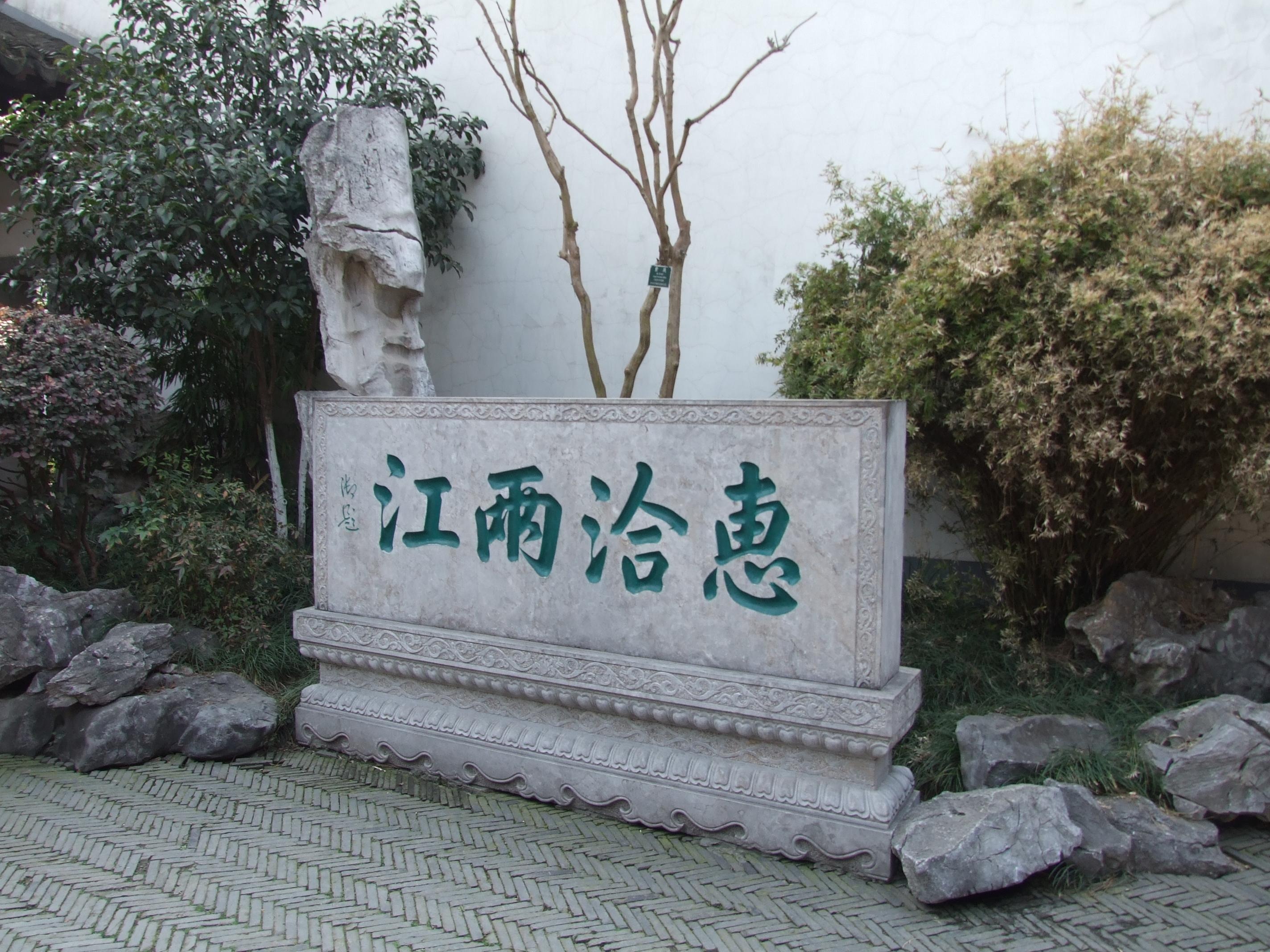
The Exhibition on the Qing Governor-General's Office is housed in the western axis complex of the Presidential Palace and is the first systematic exhibition on this topic in China. The Governor-General of Liangjiang governed Jiangsu, Anhui, and Jiangxi provinces, making it one of the most important regional officials of the Qing Dynasty. Through extensive historical documents, photographs, artifacts, and scene reconstructions, the exhibition comprehensively presents the establishment, evolution, notable governors, and major events over more than 200 years from the Kangxi era to the Xuantong era. Renowned officials including Lin Zexu, Zeng Guofan, Li Hongzhang, Zuo Zongtang, and Zhang Zhidong served here. The exhibition is a vital window into Qing-era Jiangnan political history.

Exhibition of the Taiping Heavenly Kingdom Palace · 太平天国天朝宫殿陈列

🎧 In app
Exhibition of the Taiping Heavenly Kingdom Palace

The Exhibition of the Taiping Heavenly Kingdom Palace is housed in the central axis complex of the Presidential Palace, on the very site of the original Taiping palace. After the Taiping army captured Nanjing in 1853, Hong Xiuquan built the grand Heavenly Kingdom Palace (also called the Heavenly King's Palace) here. The palace was destroyed when Xiang Army forces took Nanjing in 1864, and existing buildings were later reconstructed. Through artifacts, models, images, and multimedia, the exhibition presents the 14-year history of the Taiping Heavenly Kingdom from the 1851 Jintian Uprising to the 1864 fall of Nanjing. Displays include a reconstruction model of the palace, Taiping relics, and historical documents.

Executive Yuan · 行政院

🎧 In app
Executive Yuan

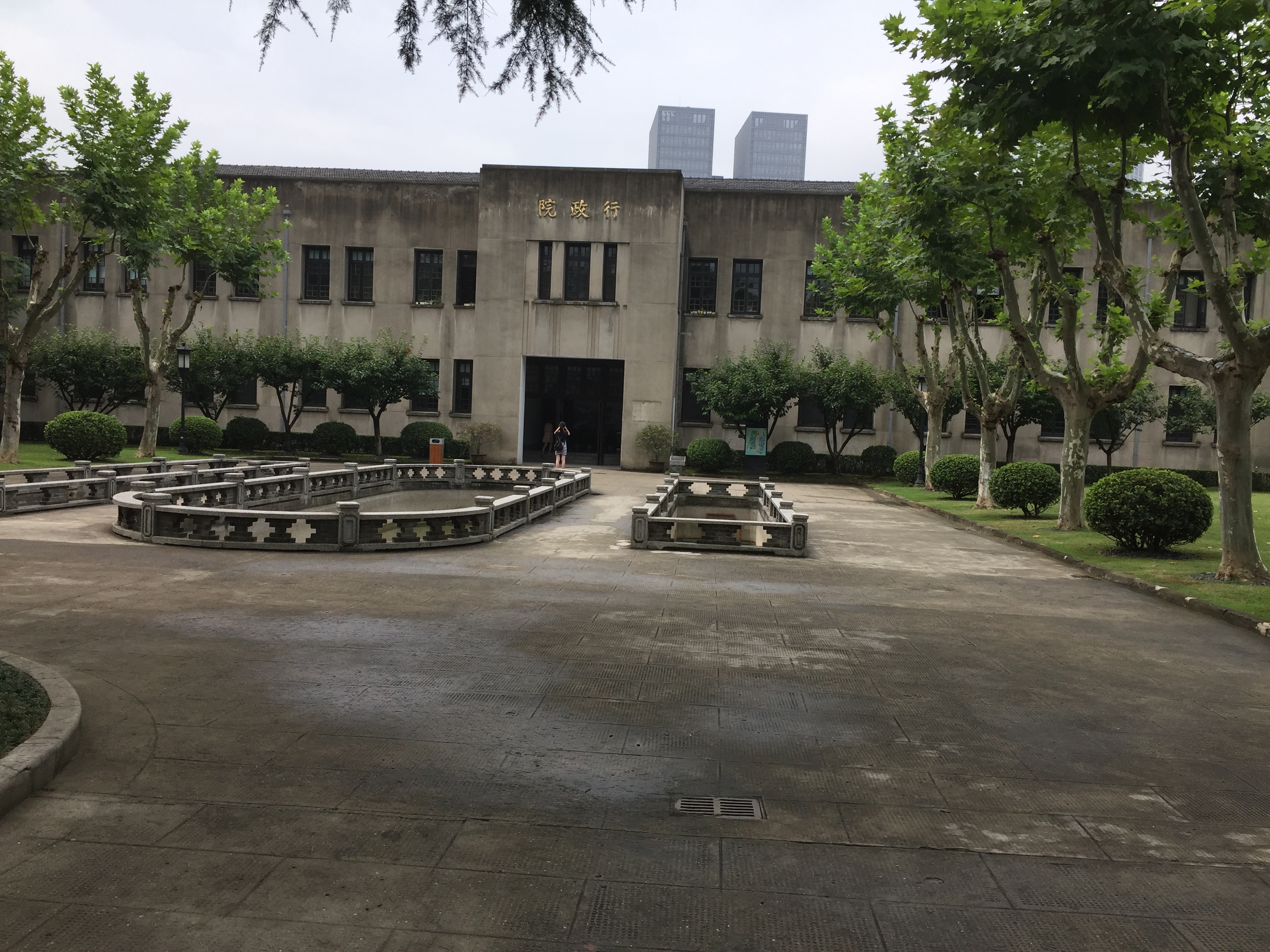
The Executive Yuan is located in the western part of the Presidential Palace and served as the office of the National Government's Executive Yuan. Established in 1928 as one of the five Yuans of the National Government, it was the nation's highest executive organ. The surviving buildings date from the 1930s, comprising a courtyard complex with a main building and auxiliary wings. The three-story Western-style main building features classical design elements with meticulously crafted colonnades and moldings. The interior preserves original meeting rooms and offices, and houses a special exhibition on the Executive Yuan's organizational structure, successive presidents, and major decisions. It is an important resource for studying Republican-era government architecture and administrative systems.

Xuyuan Garden · 煦园

🎧 In app
Xuyuan Garden

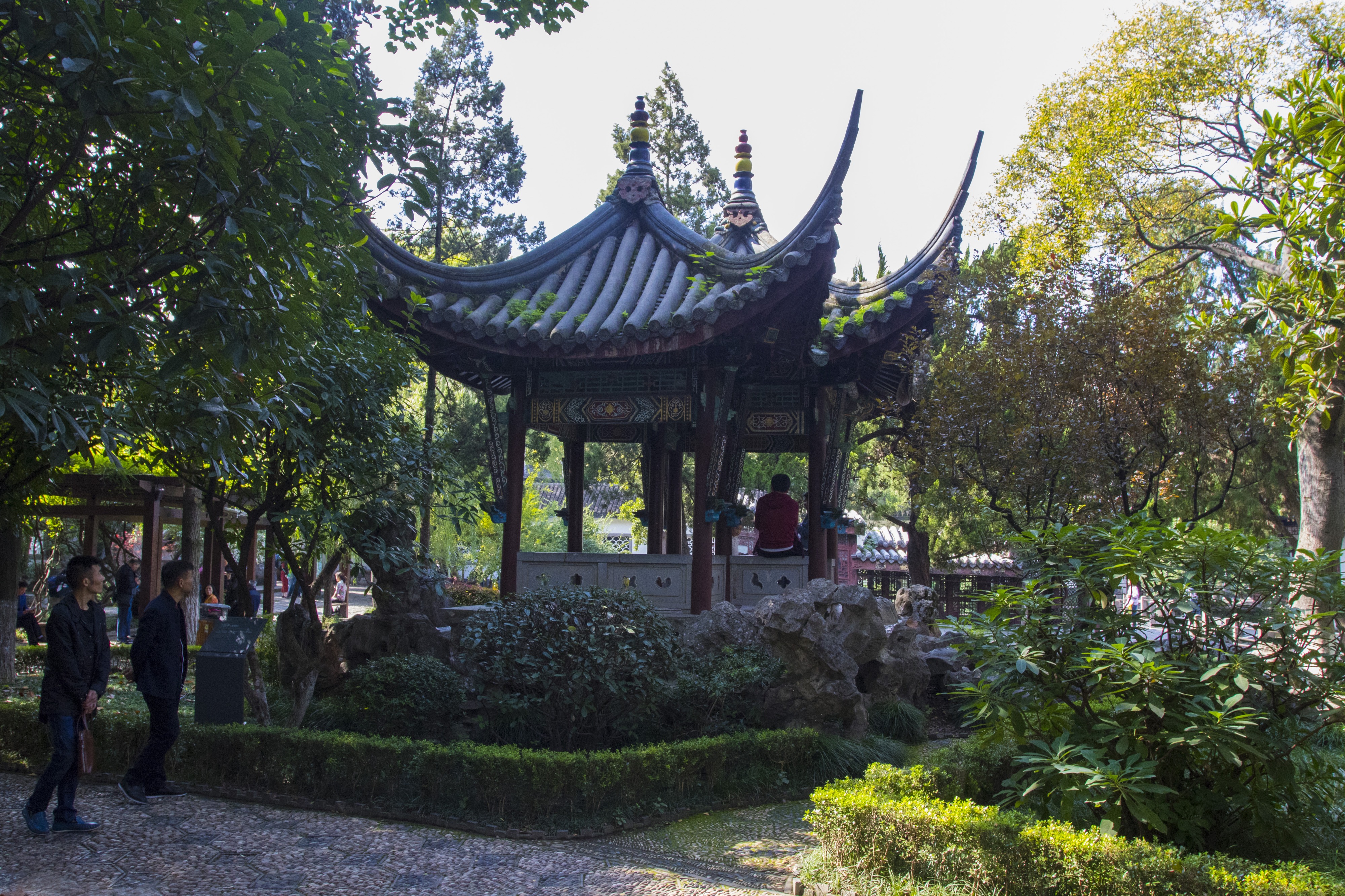
Xuyuan Garden, situated on the west side of the Presidential Palace, is a celebrated classical Jiangnan garden originating from the Ming Dynasty. Originally the garden of the Ming Prince of Han's mansion, it was cultivated through successive periods — the Qing Governor's office, Taiping Heavenly Kingdom palace, and Republican Presidential Palace — developing a unique blend of Ming and Qing garden styles. The garden centers on water features, with Taiping Lake at its middle reflecting surrounding pavilions and towers. Key sights include Buxizhou (Unmoored Boat), Yilan Pavilion, Xijia Tower, Wangfei Pavilion, and Yixin Stone House, with elegant architecture interspersed with rockeries and sculptural stones. Historical relics including stone steles inscribed by Dr. Sun Yat-sen are preserved here.

Taiping Lake and Buxizhou (Unmoored Boat) · 太平湖与不系舟

🎧 In app
Taiping Lake and Buxizhou (Unmoored Boat)

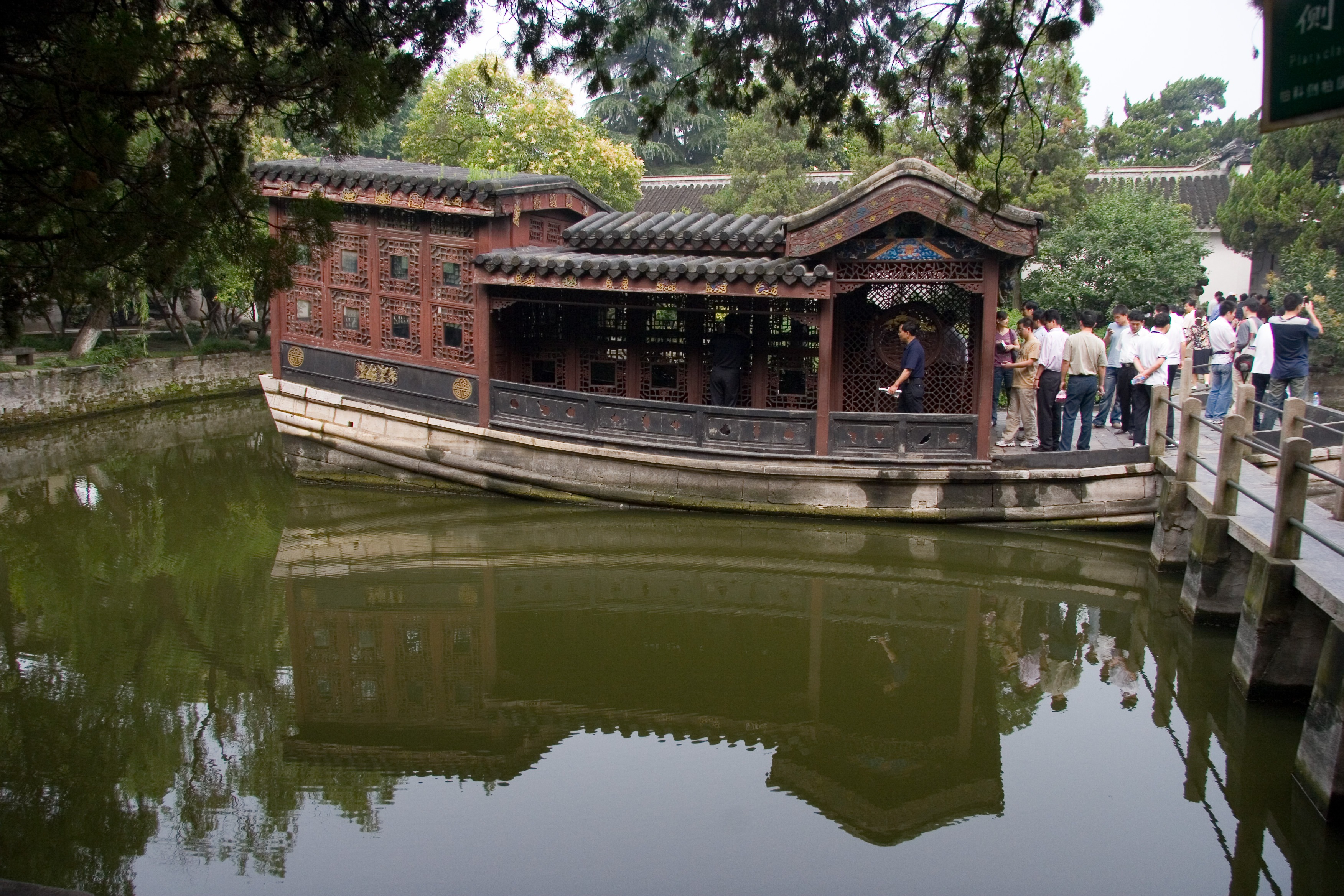
Taiping Lake is the central water feature of Xuyuan Garden, narrow from east to west with mirror-like surface reflecting surrounding pavilions, towers, ancient trees, and floral shadows. Xijia Tower stands on the north shore, Yilan Pavilion on the south, connected by zigzag bridges and corridors to form a perfect Jiangnan garden tableau. East of center in the lake sits a stone boat named Buxizhou (Unmoored Boat), carved from blue stone in the shape of a wooden vessel, its bow pointing east as if ready to set sail. Built by Qing Governor-General Yin Jishan, the boat was named by Emperor Qianlong during his southern tour, drawn from Zhuangzi's phrase "drifting like an unmoored boat." The exquisitely designed stone boat is the most poetic sight in Xuyuan Garden.

Office of Sun Yat-sen as Provisional President · 孙中山临时大总统办公室

🎧 In app
Office of Sun Yat-sen as Provisional President

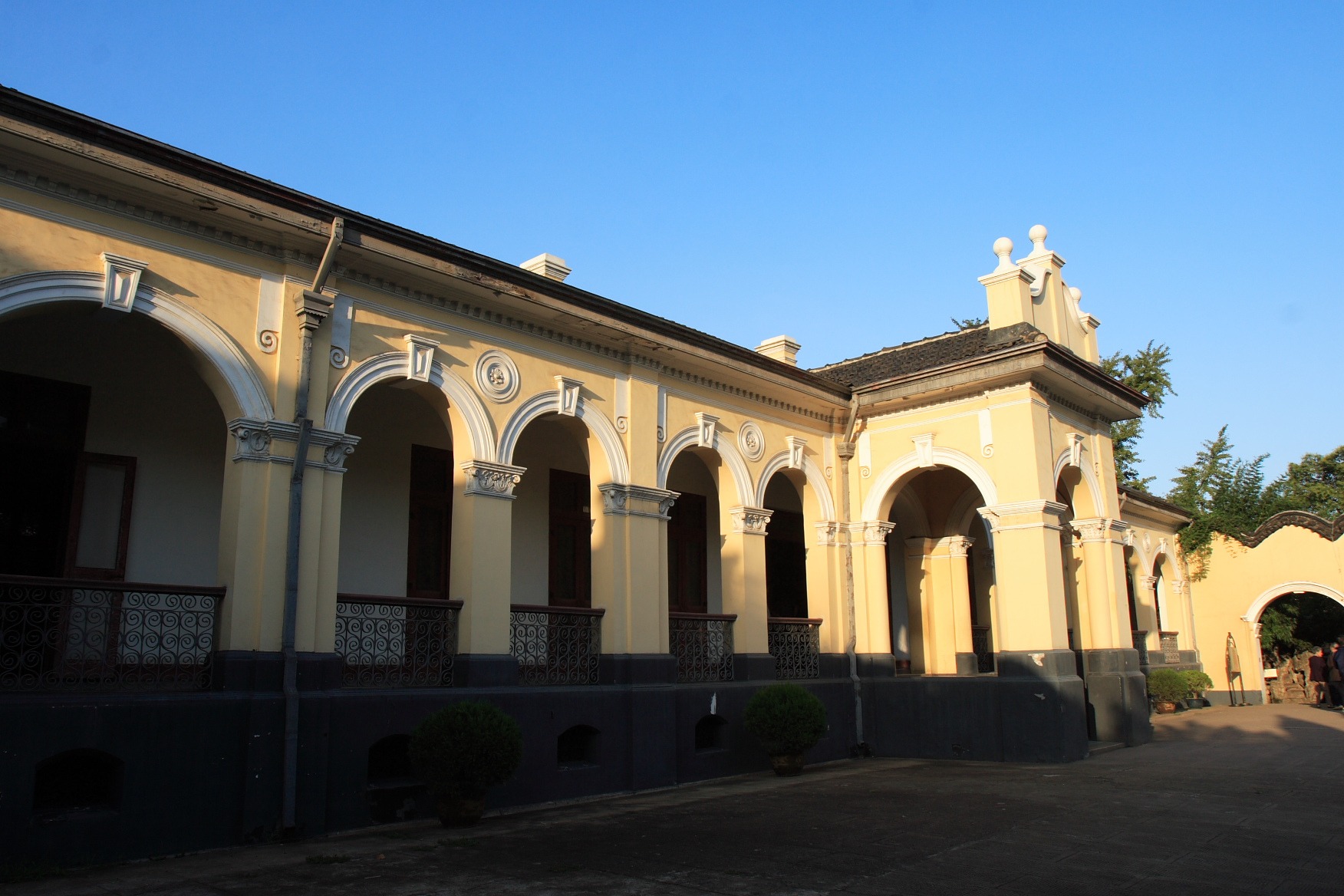
The Office of Sun Yat-sen as Provisional President is located on the west side of Xuyuan Garden in a Western-style bungalow built in 1910. On January 1, 1912, Dr. Sun was sworn in here as the Provisional President of the Republic of China, marking the end of over two millennia of imperial rule and the birth of Asia's first democratic republic. The interior has been restored to its original appearance, including Dr. Sun's desk, chairs, filing cabinets, and reception area furniture. Reproductions of provisional government documents and appointment orders signed by Dr. Sun are on display. The building features a yellow exterior with a red tile roof. A nearby exhibition on Dr. Sun's life makes this an important site for commemorating the Xinhai Revolution and the founding of the Republic.

Sun Yat-sen's Residence · 孙中山起居室

🎧 In app
Sun Yat-sen's Residence

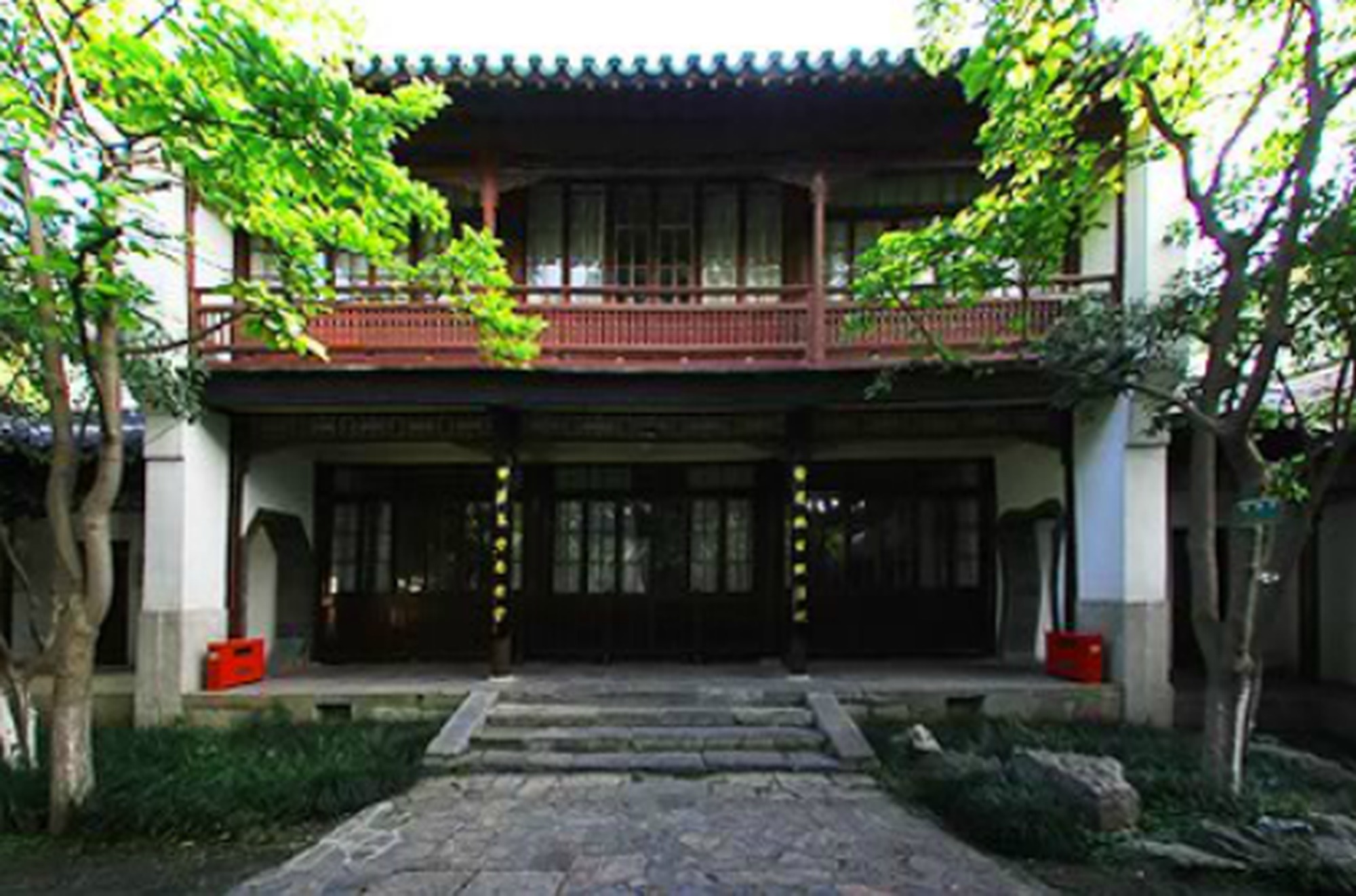
Sun Yat-sen's Residence is located within Xuyuan Garden and served as Dr. Sun's living quarters during his tenure as Provisional President of the Republic of China in 1912. The building is a two-story Chinese-style structure of brick and wood with grey tiles and white walls — modest and elegant, contrasting with the Western style of his office. The first floor contains a parlor and study, while the second floor holds bedrooms and staff rooms. The interior displays furniture, clothing, and personal items used by Dr. Sun and his family, recreating the living scene of the era. A small courtyard in front with osmanthus and magnolia trees provides a tranquil setting. The residence reflects Dr. Sun's frugal and simple lifestyle, offering an intimate window into his personal life and character.

Get the app

The tool solved one problem. The app handles the whole trip.

Per-trip visa judgements, audio guides, prep checklists, and a real human concierge — offline-ready, in your language.

Download for iPhoneFree to download · No OTA upsells