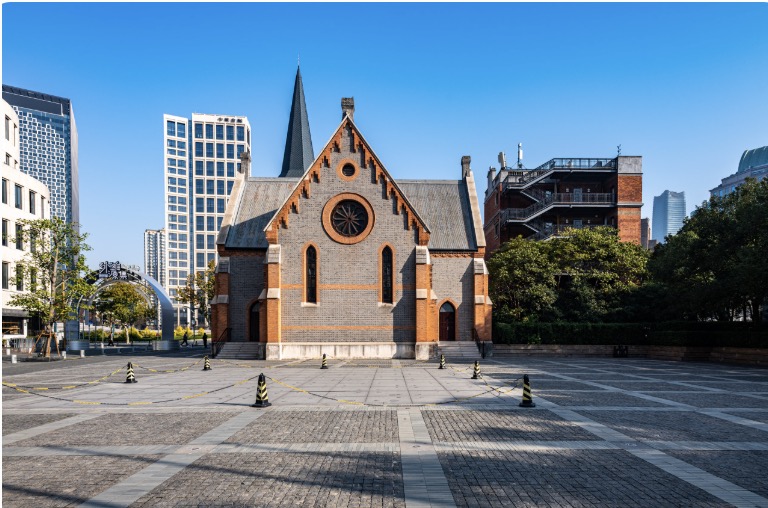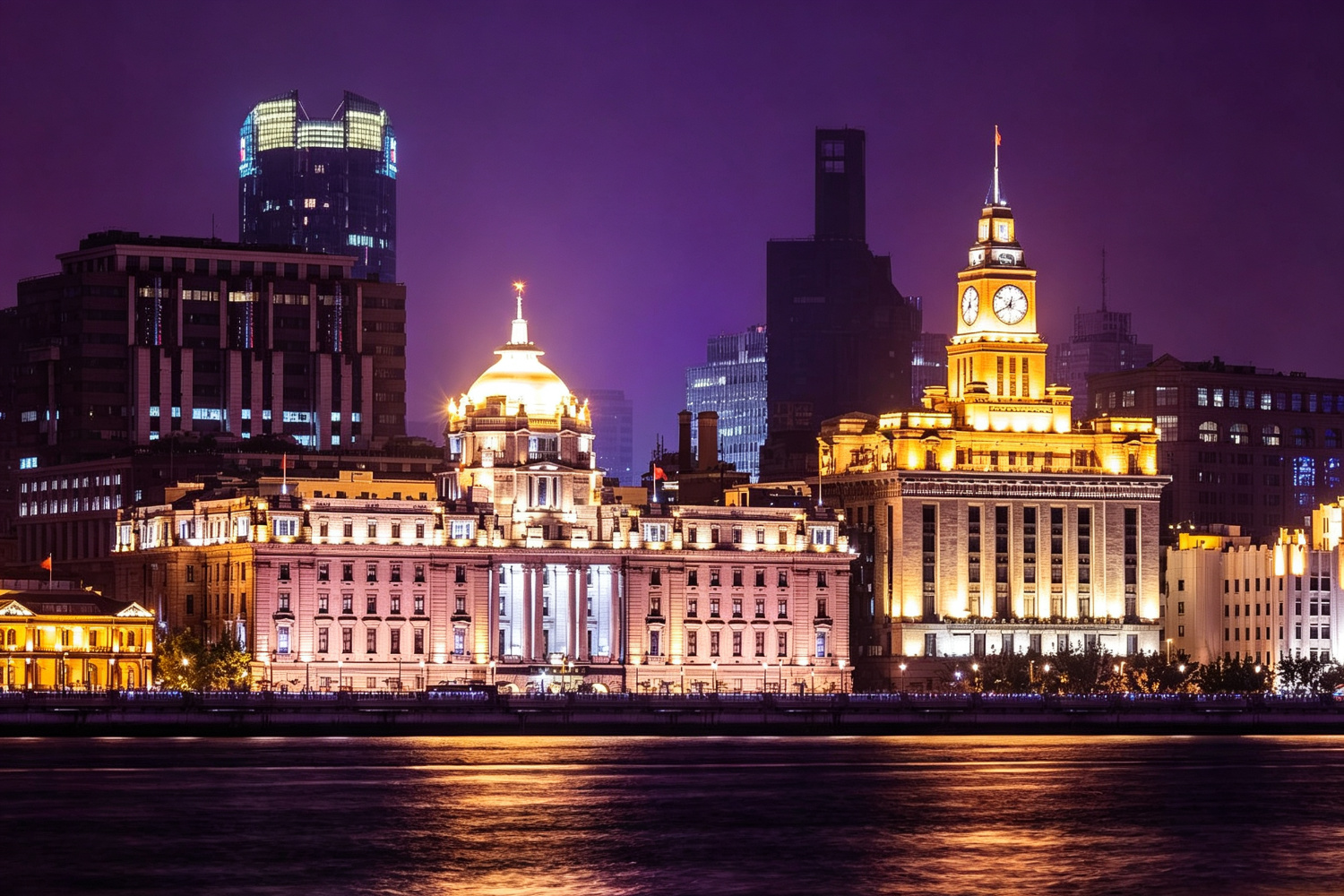
← Shanghai

Shanghai · 上海外滩

The Bund, Shanghai

🎫 Ticket Free
🚇 Metro ake Line 2 or Line 10 to East Nanjing Road Station, exit at Exit 2 or Exit 7, about 5 minutes' walk to the Bund; or take Line 10 or Line 12 to Tiantong Road Station, about 10 minutes' walk
📍 Address Zhongshan East 1st Road, Huangpu District, Shanghai (from Waibaidu Bridge in the north to Shiliupu Dock in the south), approximately 1.5 km long Map ↗
🎧 12 audio walking guides for The Bund, Shanghai — listen on the spot in the YOLO HAPPY app. →

Tips for international visitors

  • Huangpu River cruise: Tickets sold separately
  • approximately RMB 80–150; night cruises are especially popular;- Bund light show:Approximately 19:00–22:30 in summer and 18:30–22:00 in winter (subject to official announcements) - Building interiors such as Peace Hotel: Generally 10:00–22:00; check individual venues - Recommended visiting time: 1.5–3 hours

Inside The Bund, Shanghai

Shiliupu Wharf · 十六铺码头

🎧 In app
Shiliupu Wharf

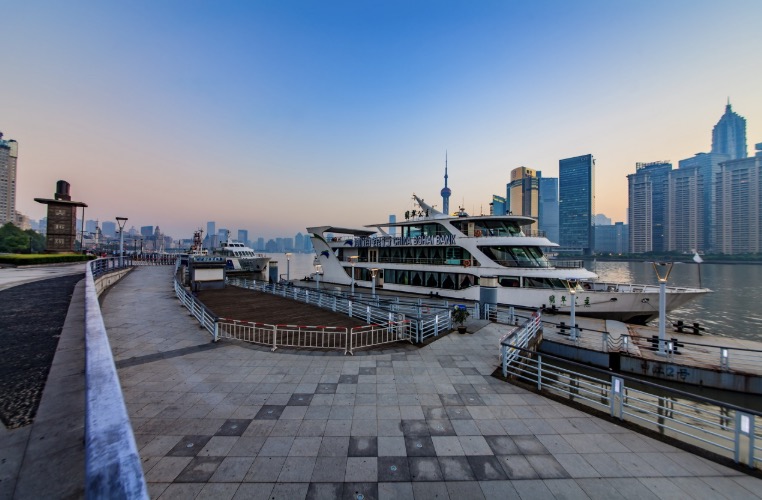
Shiliupu Wharf is located at the southern end of the Bund along the Huangpu River, with a history tracing back to the Xianfeng era of the Qing Dynasty, named after the old Shanghai Shiliupu commercial district. It was once Shanghai's water gateway to Jiangsu and Zhejiang, with peak daily passenger traffic exceeding 100,000. After 2000, the terminal's passenger functions gradually ceased, and a comprehensive renovation was completed before the 2010 World Expo, creating a large multi-level complex with three underground levels and a waterfront observation deck above. Today the wharf retains some sightseeing cruise routes, offering boat rides to enjoy both banks of the Huangpu River, while integrating commerce, dining, and waterfront promenades, becoming a 'waterfront living room' for citizens and tourists to experience Shanghai's 'wharf culture.'
Bund 18 · 外滩十八号

🎧 In app
Bund 18

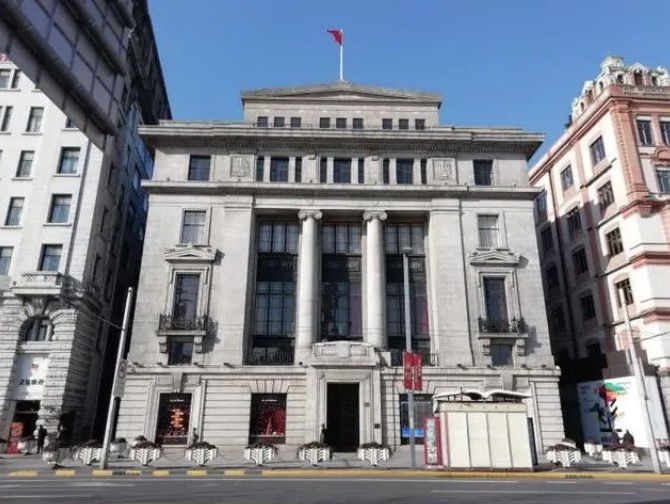
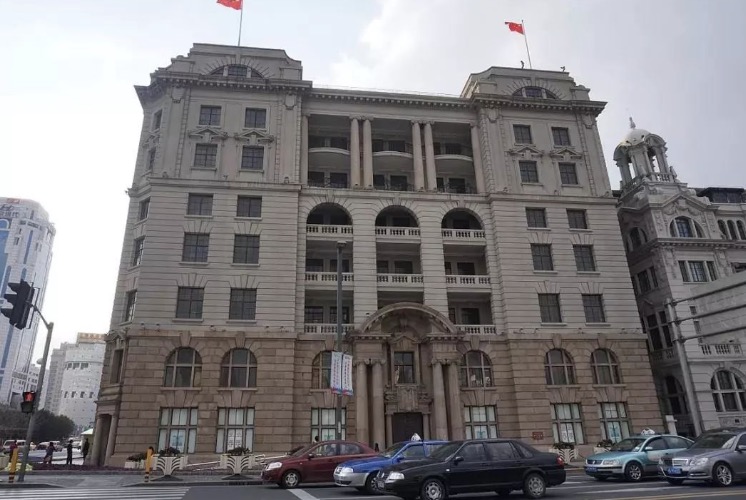
Bund 18 is located at 18 Zhongshan East 1st Road, designed by the British firm Palmer & Turner Architects, completed in 1923, and formerly housed the Shanghai branch of Chartered Bank (now Standard Chartered Bank). The building is a seven-story reinforced concrete structure with a neoclassical facade—rusticated granite at the base, an Ionic colonnade spanning the second floor and above, and a entrance retaining exquisite bronze doors and marble staircases. In 2006, the building underwent a conservation-minded renovation and was transformed into a mixed-use space combining luxury brand flagships, art galleries, Michelin-starred restaurants, and boutique offices, becoming a classic model of the Bund's 'readable architecture' initiative.

Asia Building (Bund No. 1) · 亚细亚大楼(外滩一号)

🎧 In app
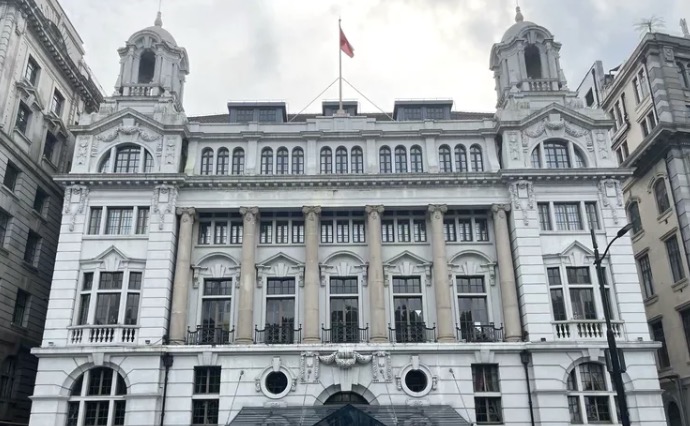
Asia Building (Bund No. 1)

The Asia Building is located at 1 Zhongshan East 1st Road, earning the title 'Bund's First Building' as it sits at the southernmost starting point of the Bund's international architectural ensemble. The building was invested by the British McBain & Co., designed by Palmer & Turner Architects, and completed in 1913, originally named the McBain Building. Its main facade features a Baroque style with a three-story Ionic colonnade at the center, curved corners, and a semicircular pediment at the top, blending Classical and Neoclassical aesthetics. After the Asiatic Petroleum Company (a predecessor of Shell) purchased the building in 1917 and used it as headquarters, it became known as the 'Asia Building.' It now serves as the headquarters of China Pacific Insurance and is one of the best-preserved and most representative early high-rise buildings in the Bund complex.

Shanghai Club (Waldorf Astoria Shanghai on the Bund) · 上海总会(华尔道夫酒店)

🎧 In app
Shanghai Club (Waldorf Astoria Shanghai on the Bund)

The Shanghai Club Building is located at 2 Zhongshan East 1st Road, built in 1910, designed by the British firm Atkinson & Dallas, with interior decoration by Japanese architect Kikutar Shimoda. The building features an English Renaissance style, with an Ionic colonnade spanning the second and third floors on its facade, a domed corner tower, and Baroque detailing. Because its interior decoration referenced Japanese imperial court style, it was once hailed as 'the London of the East.' The building housed a 34-meter marble bar—the 'longest bar in the Far East'—and was the core social venue for Shanghai's foreign community in the early 20th century. After renovation in 2010, the building was transformed into the Waldorf Astoria Shanghai on the Bund, preserving its historical character while providing luxury hotel service.

Former HSBC Building · 原汇丰银行大楼

🎧 In app
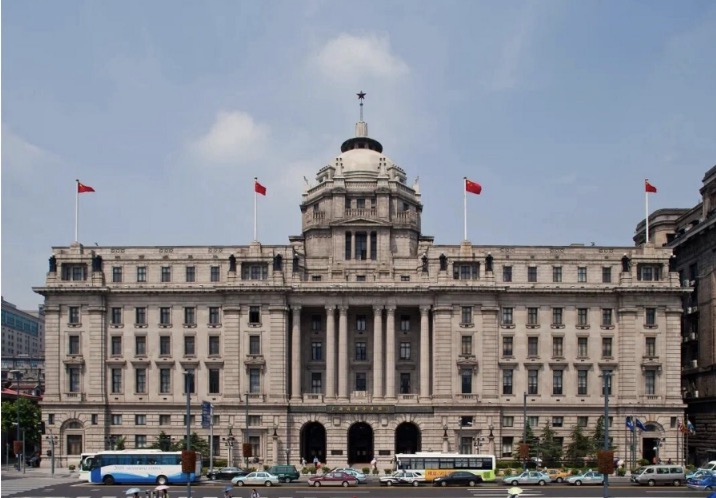
Former HSBC Building

The Former HSBC Building is located at 12 Zhongshan East 1st Road, completed in 1925, designed by Palmer & Turner Architects, and formerly housed the Shanghai branch of the Hongkong and Shanghai Banking Corporation. The building is a quintessential example of neoclassical architecture, with a seven-story main body, a six-column Ionic colonnade on the central facade, and a massive hemispherical dome whose interior is adorned with exquisite mosaic murals depicting eight global financial centers. The building was once praised as 'the most magnificent building between the Suez Canal and the Bering Strait.' From 1955 to 1995, it served as the Shanghai Municipal Government office building. In 1997, it was acquired and restored by Shanghai Pudong Development Bank, which now uses it as its headquarters, making it one of the Bund's most iconic historic buildings.

Customs House (Shanghai) · 海关大楼

🎧 In app
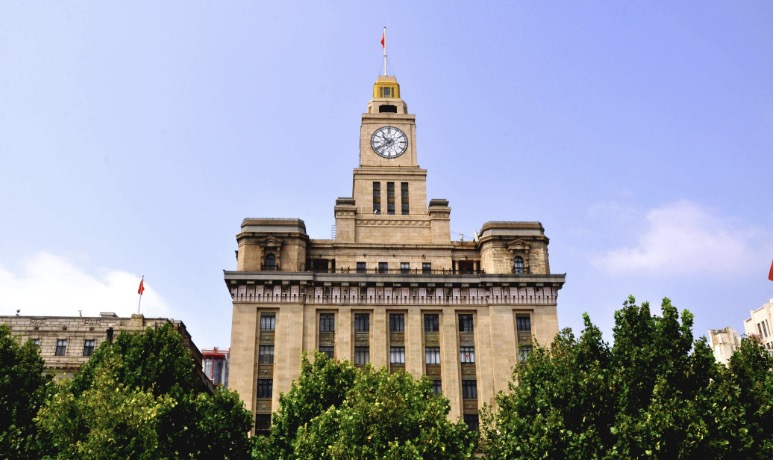
Customs House (Shanghai)

The Customs House is located at 13 Zhongshan East 1st Road, designed by Palmer & Turner Architects and rebuilt in 1927. It is one of the most recognizable buildings in the Bund's international architectural ensemble. The eight-story building features a Greek neoclassical facade supported by a Doric colonnade at the base, exuding grand solemnity. Its most striking feature is the clock tower—a tall square tower with four clock faces, manufactured in the style of Big Ben at the Palace of Westminster in London, cast by the British Joyce & Co. clock foundry. The clock chimes every fifteen minutes, and its resonant bell once echoed across both banks of the Huangpu River, earning it the title 'Asia's First Clock.' The building is still used by Shanghai Customs today and stands as the spiritual landmark of the Bund's 'Expo of World Architecture.'

Peace Hotel (Fairmont Peace Hotel) · 和平饭店

🎧 In app
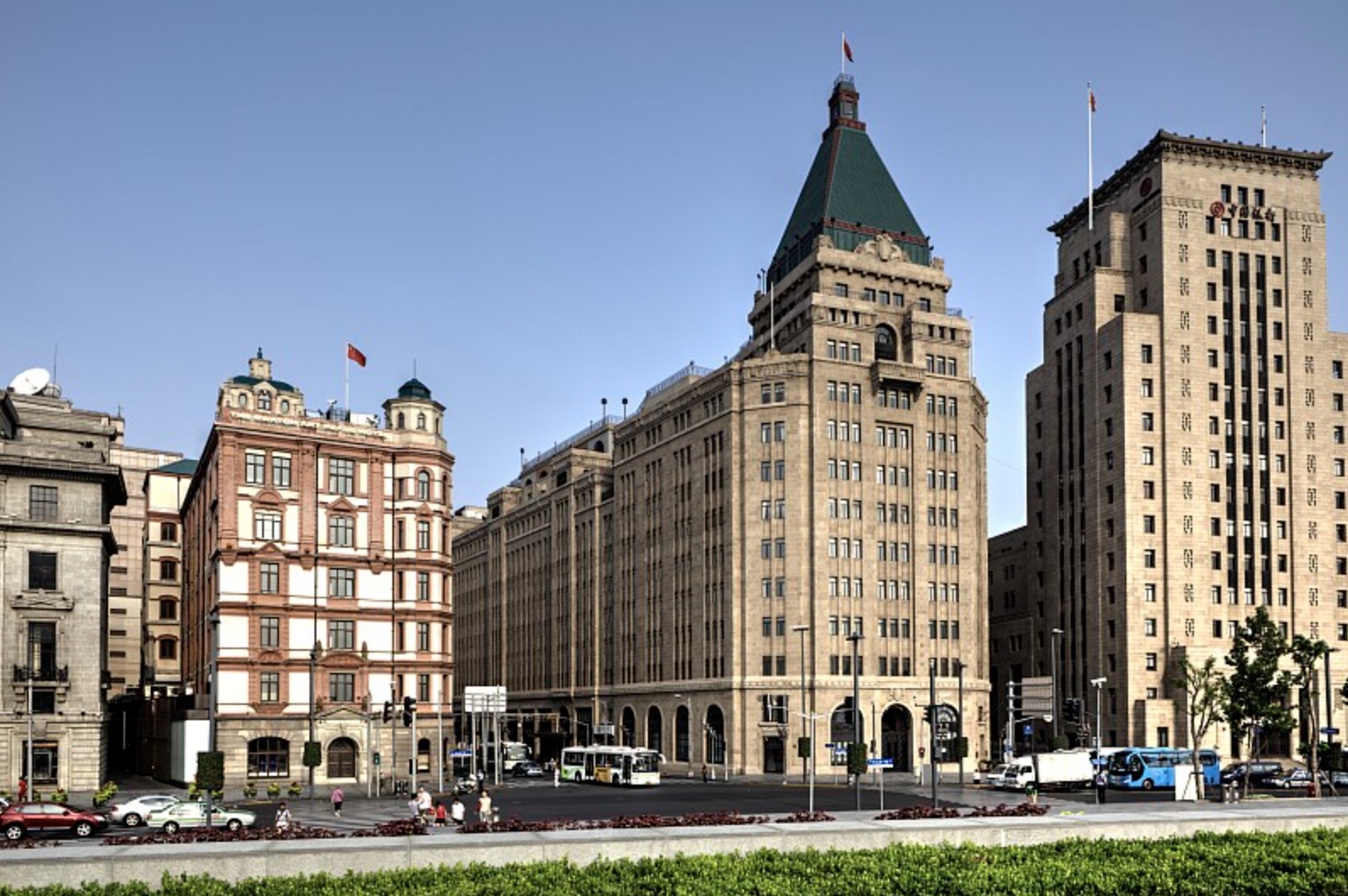
Peace Hotel (Fairmont Peace Hotel)

The Peace Hotel is located at 20 Zhongshan East 1st Road, invested by the British Jewish businessman Sir Victor Sassoon, designed by Palmer & Turner Architects, and completed in 1929. Originally named Sassoon House, it was once 'the tallest building in the Far East.' The building features an Art Deco style, ten stories high, with a granite facade crowned by the iconic green copper pyramidal spire, striking in the sunlight. The building housed the Cathay Hotel, the premier hotel in the Far East during the first half of the 20th century, hosting celebrities such as Charlie Chaplin and George Bernard Shaw. Renamed the Peace Hotel in 1952, it underwent a major renovation from 2007 to 2010 and is now managed by the Fairmont hotel group, featuring the iconic Jasmine Lounge and nine nationality-themed suites.

Chen Yi Square and Bronze Statue of Chen Yi · 陈毅广场与陈毅铜像

🎧 In app
Chen Yi Square and Bronze Statue of Chen Yi

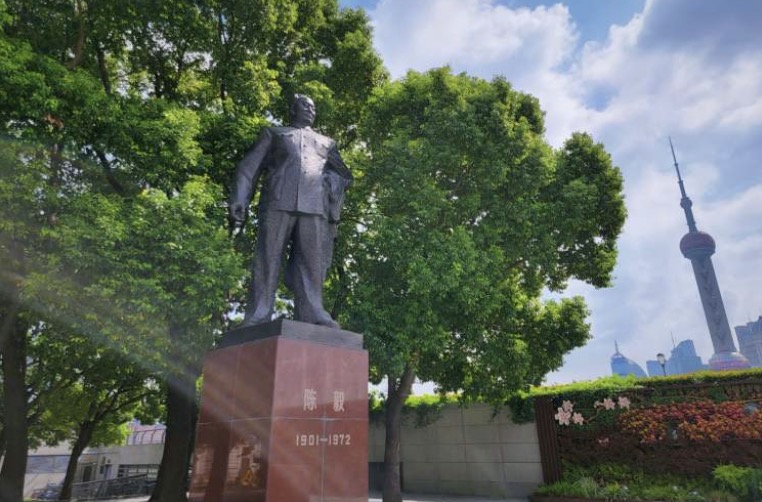
Chen Yi Square is located on the waterfront observation platform between Nanjing East Road and Fuzhou Road on the Bund, the most densely trafficked core area of the Bund. At the center of the square stands the bronze statue of Chen Yi, sculpted by Zhang Yonghao and unveiled on the eve of National Day in 1993. The statue, approximately 9 meters tall, depicts Mayor Chen Yi wearing an overcoat with hands clasped behind his back and a serene smile, facing the Huangpu River and gazing at the Pudong Lujiazui skyline, symbolizing his hopes for the development of new Shanghai. Chen Yi (1901–1972) served as the first mayor of Shanghai under the People's Republic (1949–1958), during which he stabilized prices, restored production, and restored public order, earning deep affection from Shanghai citizens. The square serves both as a leisure and sightseeing spot and as the central venue for Shanghai's major festivals and celebrations.

Bund Bull (Shanghai Financial Bull) · 外滩牛

🎧 In app
Bund Bull (Shanghai Financial Bull)

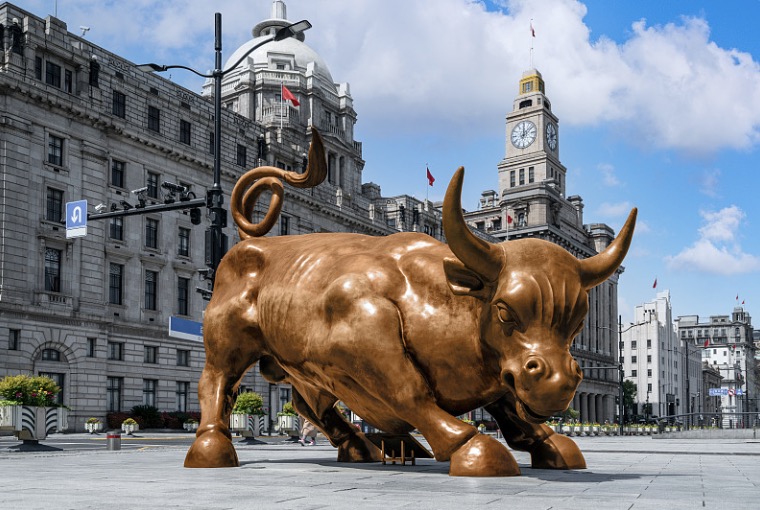
The Bund Bull is located at the Bund Financial Square at the intersection of Zhongshan East 1st Road and Fuzhou Road. Created by Italian-American artist Arturo Di Modica, it was officially unveiled during the 2010 Shanghai World Expo. Di Modica is the same sculptor who created the Charging Bull on Wall Street in New York, making the Bund Bull its 'sister work.' The bronze sculpture, cast in a dark red-brown patina, weighs approximately 2.5 tons and is slightly larger than its Wall Street counterpart. The bull is depicted in a lowered-head, charging posture with taut muscles and forward-thrusting horns, brimming with kinetic energy, symbolizing a 'bull market' and the robust development of Shanghai's financial markets. Since its installation, it has quickly become a popular Bund landmark, with visitors commonly touching the bull's horns for good fortune.

Shanghai People's Heroes Memorial Tower · 上海市人民英雄纪念塔

🎧 In app
Shanghai People's Heroes Memorial Tower

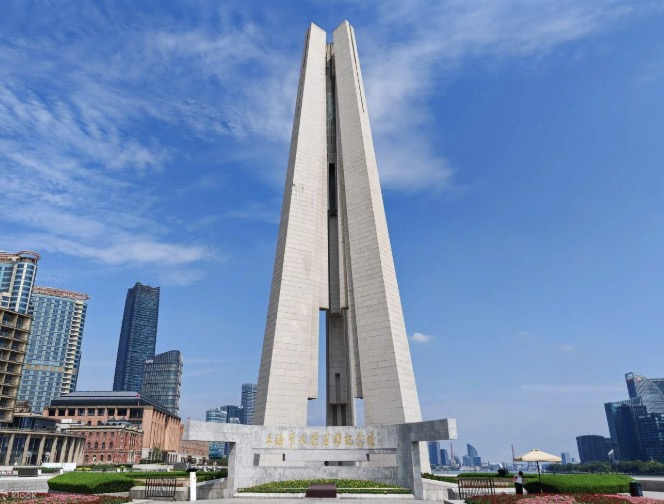
The Shanghai People's Heroes Memorial Tower is located in Huangpu Park at the northern end of the Bund, at the confluence of the Huangpu River and Suzhou Creek. Built in 1993 and officially opened on May 27, 1994 (the 45th anniversary of Shanghai's liberation), the memorial consists of three 60-meter-tall granite rifle-shaped towers leaning against each other and pointing skyward, symbolizing the people's heroes who sacrificed their lives in the Opium War, the May Fourth Movement, and the War of Liberation. At the base of the towers lies a sunken circular plaza surrounded by large granite reliefs depicting scenes of the Shanghai people's revolutionary struggles. With a total construction area of approximately 16,000 square meters, the memorial is an important patriotic education base and red-cultural landmark of Shanghai, as well as an excellent vantage point for viewing the Pudong Lujiazui skyline.

Waibaidu Bridge (Garden Bridge of Shanghai) · 外白渡桥

🎧 In app
Waibaidu Bridge (Garden Bridge of Shanghai)

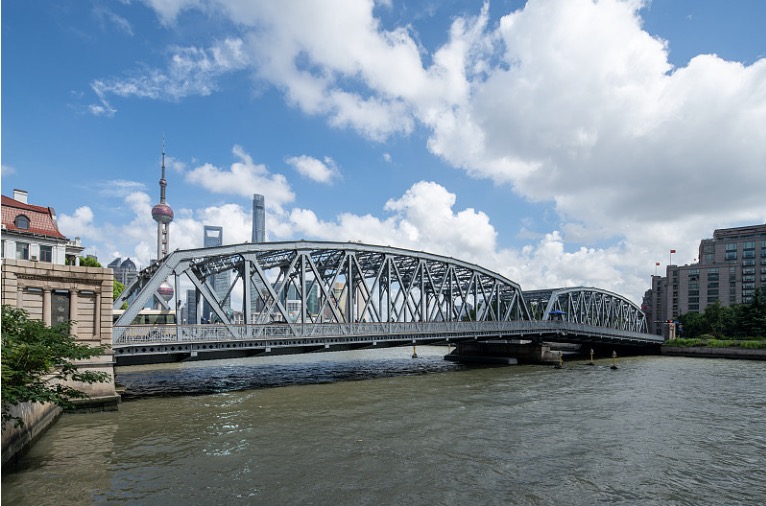
Waibaidu Bridge is located at the northern end of the Bund, spanning the mouth of Suzhou Creek where it flows into the Huangpu River. It connects Huangpu Park to the south and the North Bund in Hongkou District to the north, and is an important landmark of Shanghai's modern urban development. The bridge was originally built in 1856 (as a wooden bridge); the existing steel bridge was completed in 1907, designed and manufactured by the British Cleveland Bridge & Engineering Company. It was China's first all-steel riveted truss bridge, measuring 104 meters long and 18 meters wide, with two steel spans connected by rivets in an elegant, archaic form. The name 'Waibaidu' originates from the site's history as a creek crossing point, where 'baidu' meant a free ferry crossing (no longer charging a fee). In 2008, the bridge was entirely moved to a shipyard for major repairs and then reinstalled in its original position, restoring the century-old steel structure. Waibaidu Bridge has been a filming location for numerous films and television dramas and is an excellent spot for viewing the Pudong skyline and the Bund's architectural ensemble.

The Origin of the Bund (Waitanyuan) · 外滩源

🎧 In app
The Origin of the Bund (Waitanyuan)

Waitanyuan (The Origin of the Bund) is located on the southwest side of the confluence of the Huangpu River and Suzhou Creek, bounded by the Huangpu River to the east, Sichuan Middle Road to the west, Suzhou Creek to the north, and Dianchi Road to the south, covering approximately 16.4 hectares. It is called 'the source of the Bund' because the earliest buildings of the Bund's international architectural ensemble were born in this area. The core building, 'Bund Source No. 1' (33 Zhongshan East 1st Road), was the former British Consulate General in Shanghai, with its main building dating from 1872—the oldest surviving building on the Bund's first facade, in the English Renaissance style. The area also preserves multiple historic buildings including the China Federation Building, the North China Branch of the Royal Asiatic Society Building, and the Yuanying Road Apartments. After conservation-minded development, it has become a pedestrian district centered on Yuanying Road, integrating art exhibitions, fine dining, and boutique retail—a unique neighborhood for experiencing the cultural charm of 'old Shanghai, new Bund.'

Get the app

The tool solved one problem. The app handles the whole trip.

Per-trip visa judgements, audio guides, prep checklists, and a real human concierge — offline-ready, in your language.

Download for iPhoneFree to download · No OTA upsells