← Shanghai

Shanghai · 武康路

Wukang Road

🎫 Ticket Free and open, no ticket required
🕐 Duration Open 24 hours a day
🚇 Metro Wukang Building / north Wukang Road: Take Line 10 or Line 11 to Jiaotong University Station, exit at Exit 7, about 5 minutes' walk - South Wukang Road / Huaihai Middle Road: Take Line 1 or Line 7 to Changshu Road Station, about 8 minutes' walk
📍 Address Wukang Road, Xuhui District, Shanghai (from Huashan Road in the north to Huaihai Middle Road in the south) Map ↗
🎧 9 audio walking guides for Wukang Road — listen on the spot in the YOLO HAPPY app. →

Tips for international visitors

  • Some are free to visit with valid ID; some may be temporarily closed for preservation
  • subject to on-site notices

Inside Wukang Road

Wukang Mansion (Normandie Apartments, No. 1 Wukang Road) · 武康大楼(诺曼底公寓)

🎧 In app
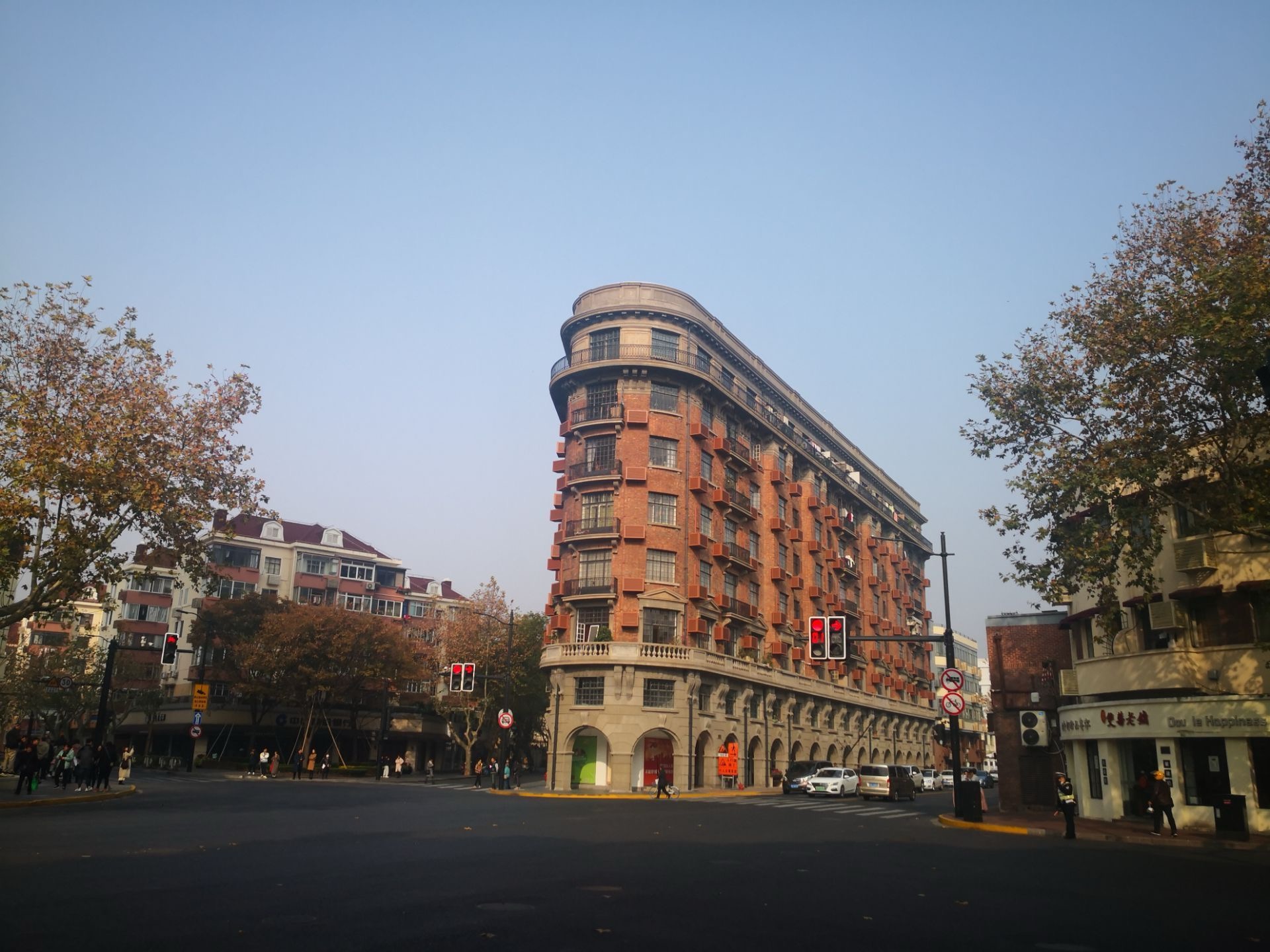
Wukang Mansion (Normandie Apartments, No. 1 Wukang Road)

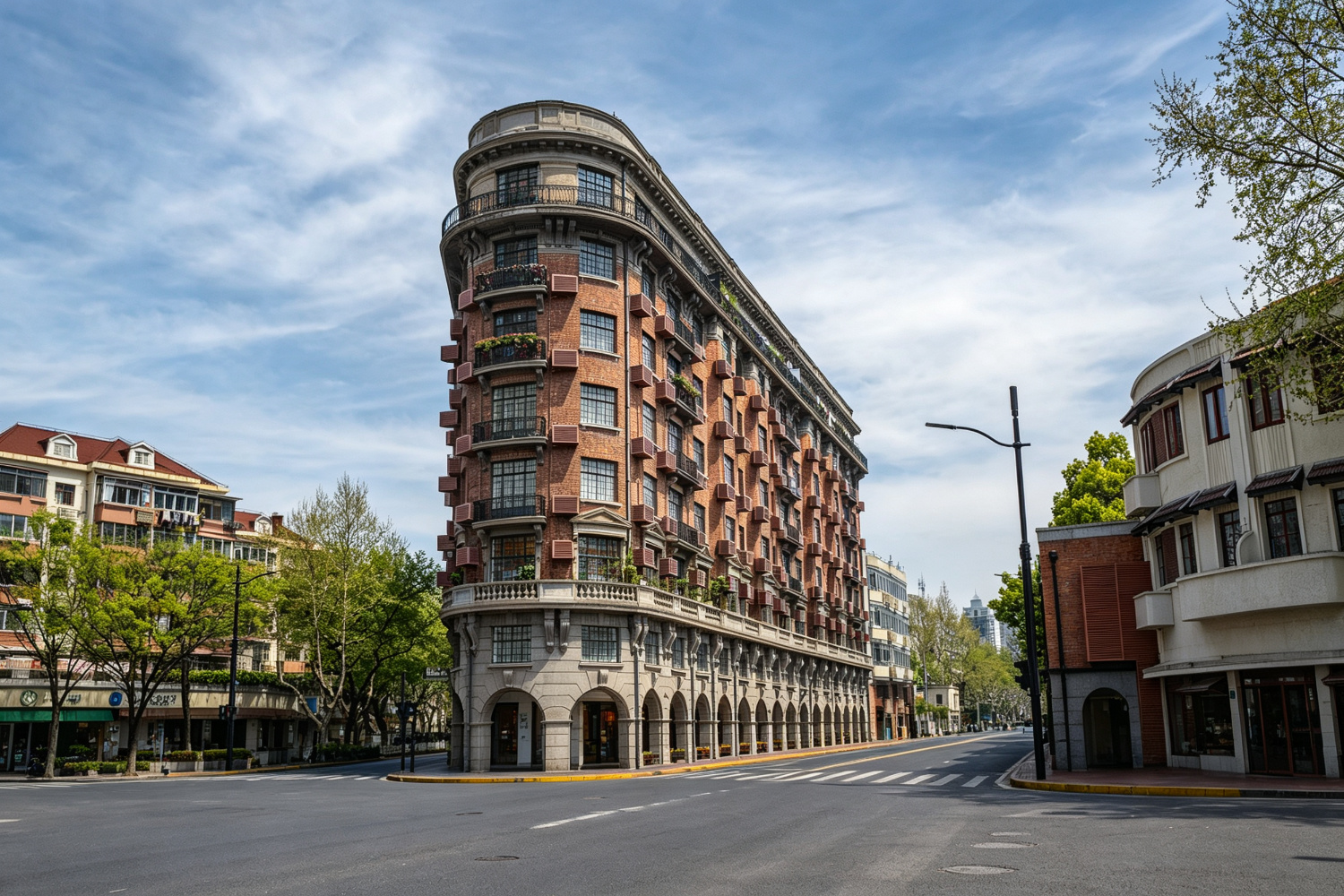
Located at the five-way intersection of Huaihai Middle Road and Wukang Road, Wukang Mansion was designed by Hungarian-Slovak architect László Hudec in 1924. Originally called "Normandie Apartments" and renamed Wukang Mansion in 1953, it is one of Shanghai's earliest modern high-rise apartment buildings. The huge "ship-shaped" wedge-shaped volume inserts itself into the intersection; with one basement and eight above-ground floors, the continuous outer corridors and rounded corner stretch from Huaihai Middle Road into the depths of Wukang Road. It is Shanghai's only surviving 1920s "ship-shaped" apartment. The ground floor hosts arcades and shops — coffee shops, light dining, creative stores, and a small documentary exhibition. After repeated renovations, the contrast between granolithic and red-brick façades is striking, making it the best viewing point for the plane-tree-lined Huaihai Middle Road streetscape and the famed "First Turn in Shanghai."
Former Residence of Soong Ching-ling (No. 393 Wukang Road) · 宋庆龄故居

🎧 In app
Former Residence of Soong Ching-ling (No. 393 Wukang Road)

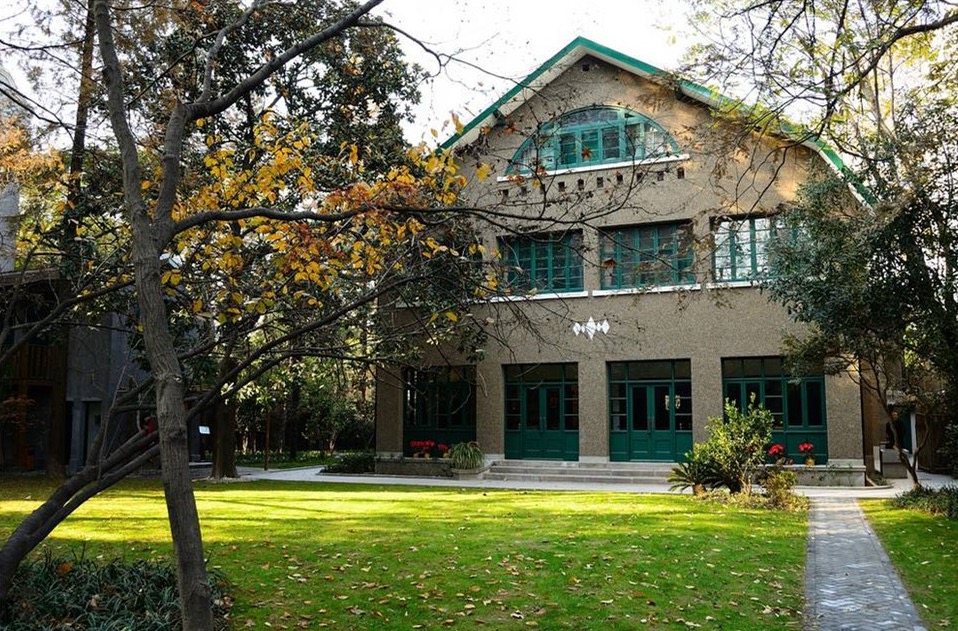
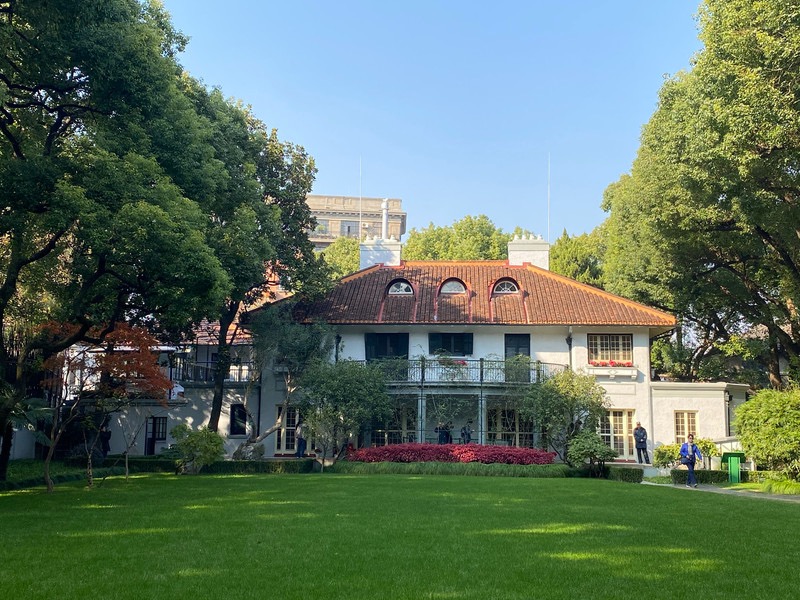
Located at No. 393 Wukang Road, the residence was moved into by Soong Ching-ling in 1948 and remained her home until her death in 1981 — her longest-tenured Shanghai residence and the place where she received the most Chinese and foreign guests. After Shanghai's liberation in 1949 it also served as a state guest parlor. Converted into a memorial museum after her death in 1981, the residence officially opened to the public in 1982. The collection holds over 15,000 items — photographs with Sun Yat-sen, Chongqing-era wartime clothing, post-1949 diplomatic gifts, late-life manuscripts, and personal effects. The main building is a 1920s Western garden residence; the front and rear gardens remain open and simple, with the dining room and parlor preserved as Soong Ching-ling kept them — one of Shanghai's most important "celebrity residence + state parlor" complexes.

Huang Xing's Former Residence / Old-House Art Center (Lane 393, Wukang Road) · 黄兴故居(老房子艺术中心)

🎧 In app
Huang Xing's Former Residence / Old-House Art Center (Lane 393, Wukang Road)

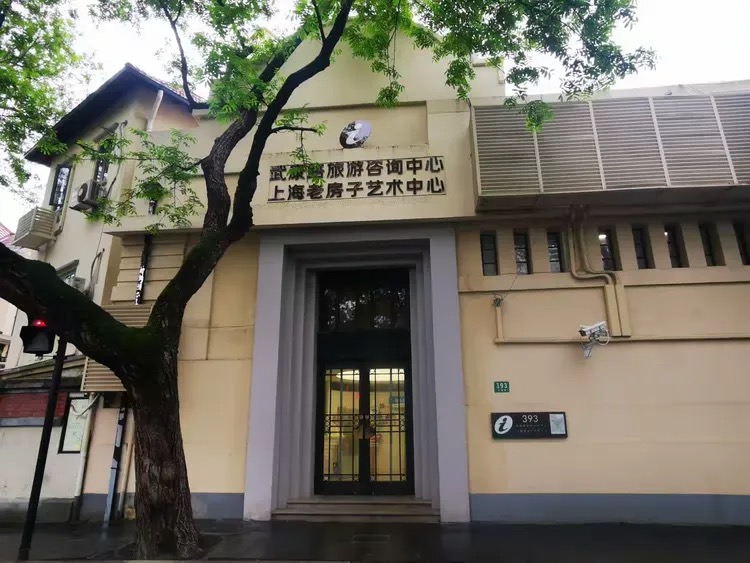
Located in Lane 393 of Wukang Road, this was Shanghai residence of 1911 Revolution leader Huang Xing during 1913—1916, commonly known as "Chongde Lou." When Huang Xing passed away in Shanghai in 1916, Sun Yat-sen inscribed the characters "Xingjian" (Vigorous Action) in his memory. Listed as a Shanghai Municipal Cultural Relic in 1992, since 2010 the building has been operated as the "Old-House Art Center," co-curated by Shanghai Dramatic Arts Centre and Shanghai Jingju Theatre. It regularly hosts small art exhibitions, drama salons, Peking-Chinese opera chamber concerts, and creative markets. The building is a three-bay two-story brick-and-timber Western-style residence with gray-brick walls and simple cornices — a typical early-Republic Shanghai high-end residence forming a "dual-landmark" pairing with the Soong Ching-ling residence to its south.

Former Residence of Zhou Xuan (No. 1, Lane 391, Wukang Road) · 周璇旧居

🎧 In app
Former Residence of Zhou Xuan (No. 1, Lane 391, Wukang Road)

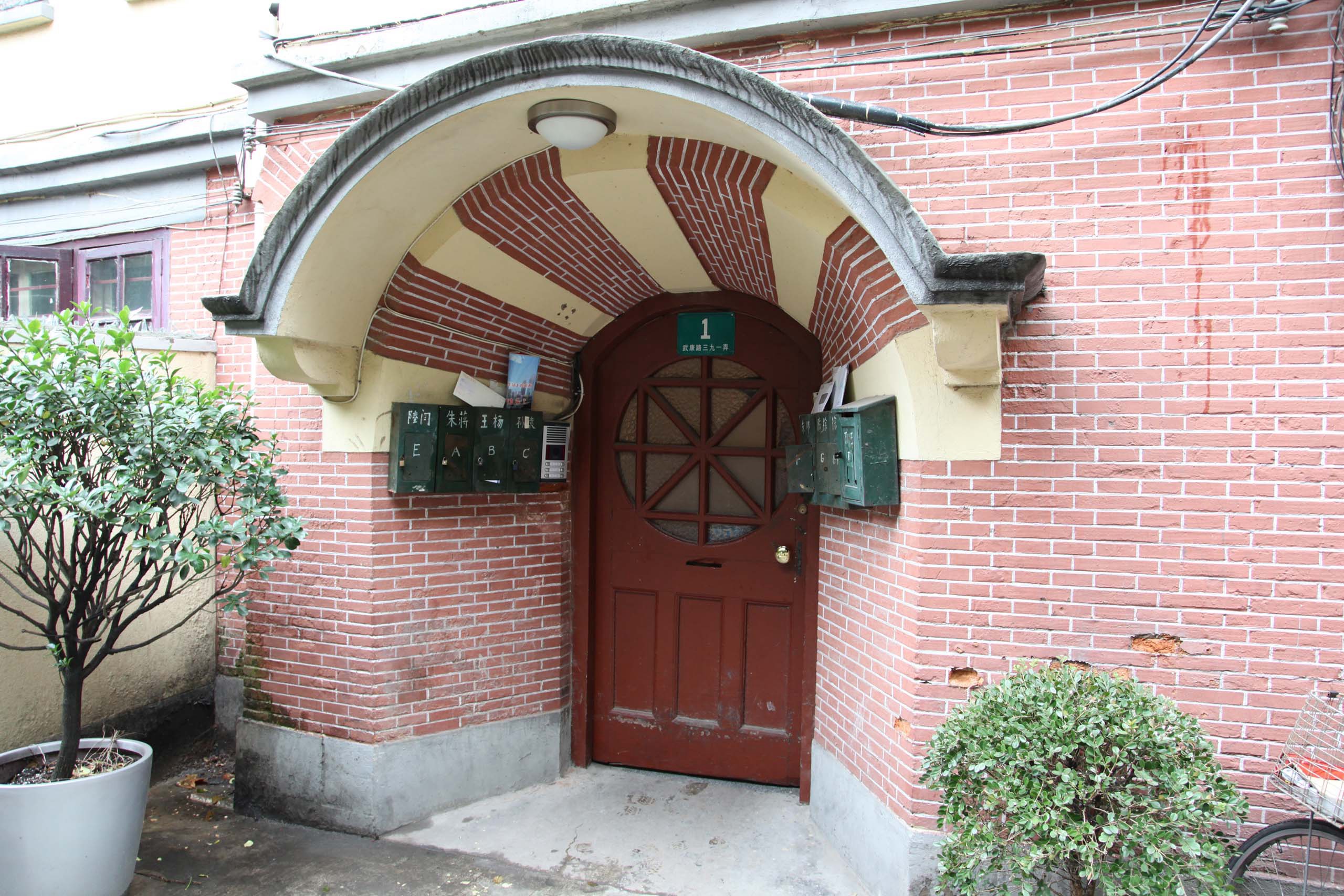
Located at No. 1, Lane 391 of Wukang Road, this is one of 1930s—40s "Golden Voice" singer Zhou Xuan's several Shanghai residences. The building is a 1920s three-story brick-and-timber Western-style residence with cream-yellow walls, a corner balcony on the second floor, and dormer windows on the third — a simple and understated façade. The lane is a private "new-style lilong," used by Zhou Xuan's family and peers in the entertainment world. After Zhou Xuan passed away in 1957 the building reverted to private ownership and has never been publicly opened; it remains a private plot. Visitors can view the façade and take photos from the lane entrance, but the interior is not accessible. It is best combined with other celebrity residences along Wukang Road for a "Searching for Socialites Beneath the Plane Trees" themed walk.

Former Italian Consulate-General Residence (No. 390 Wukang Road) · 意大利总领事馆旧址

🎧 In app
Former Italian Consulate-General Residence (No. 390 Wukang Road)

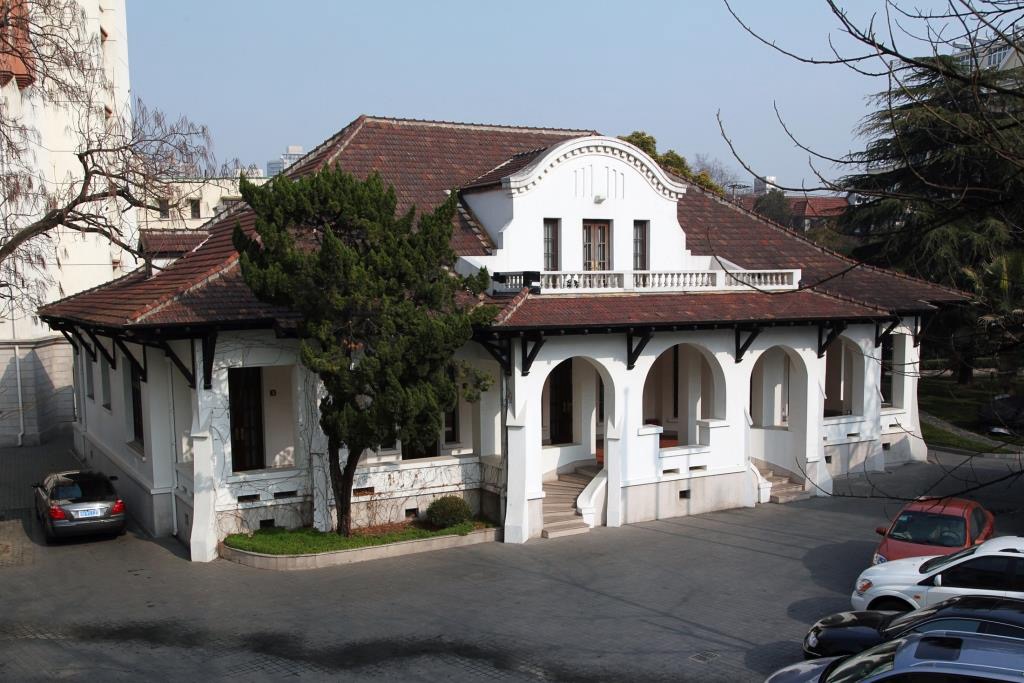
Located at No. 390 Wukang Road, this building was designed and built by Credit Foncier d'Extreme-Orient in 1932 as the Italian consul-general's residence in Shanghai. The site covers about 2,630 m² with a floor area of 612 m², a half-basement + two above-ground-floor brick-and-stone mixed structure. The main façade faces south toward the garden; the east, south, and west sides of the ground floor are all open arcades, with red barrel-tile pitched roofs combined with semicircular and square window openings — one of Shanghai's rare surviving Mediterranean-style garden residences. After 1949 it served as offices for Shanghai's machinery and electrical systems; from 1995 it was assigned to SAIC Motor. After renovation, from 2024 it has operated as the "Mediterranean Lifestyle Hall" with reservation-based public access to the building, garden, and small art exhibitions.

Wukang Mansion Courtyard (No. 376—378 Wukang Road) · 武康庭

🎧 In app
Wukang Mansion Courtyard (No. 376—378 Wukang Road)

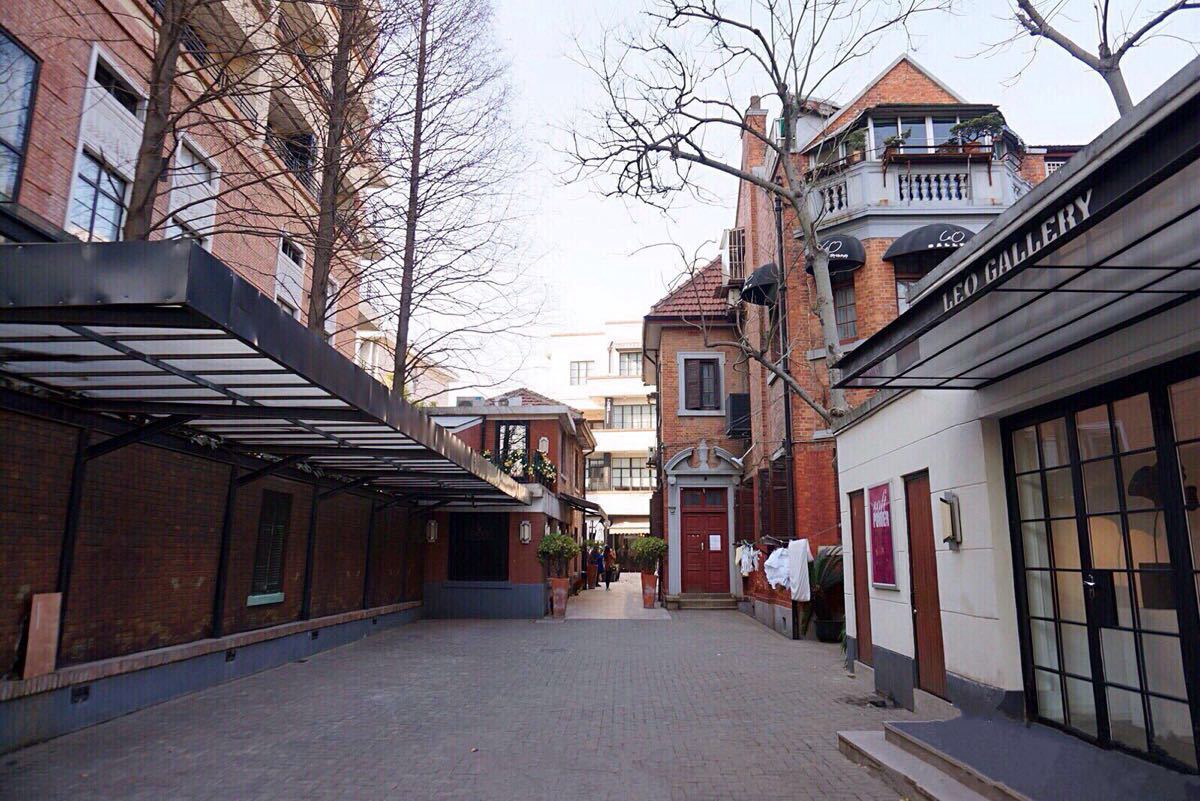
Wukang Mansion Courtyard sits at Nos. 376—378 Wukang Road, on the site of 1920s British firm Aquarius Co. (the famous "Zhèng Guǎng Hé" soda-water brand) Shanghai offices and surrounding new-style lilong. Renovated into an open commercial courtyard in 2007, it preserves historical elements such as the red-brick walls, dormer windows, and terrazzo stairs, and uses a central water feature, long wooden benches, and vine trellises to create an "European-style lilong atrium" atmosphere. The courtyard gathers specialty coffee shops (such as %Arabica, Peet's Coffee, Manner pop-ups), independent designer boutiques, contemporary art galleries, wedding-dress ateliers, and light dining. It is the longest-paused "small and beautiful" complex on Wukang Road, directly connected to the street, free to enter, and one of the most iconic shooting spots for an "afternoon in Wukang Road."

Romeo's Balcony (No. 210 Wukang Road / Former Del Nerce House) · 罗密欧阳台(德利那齐宅)

🎧 In app
Romeo's Balcony (No. 210 Wukang Road / Former Del Nerce House)

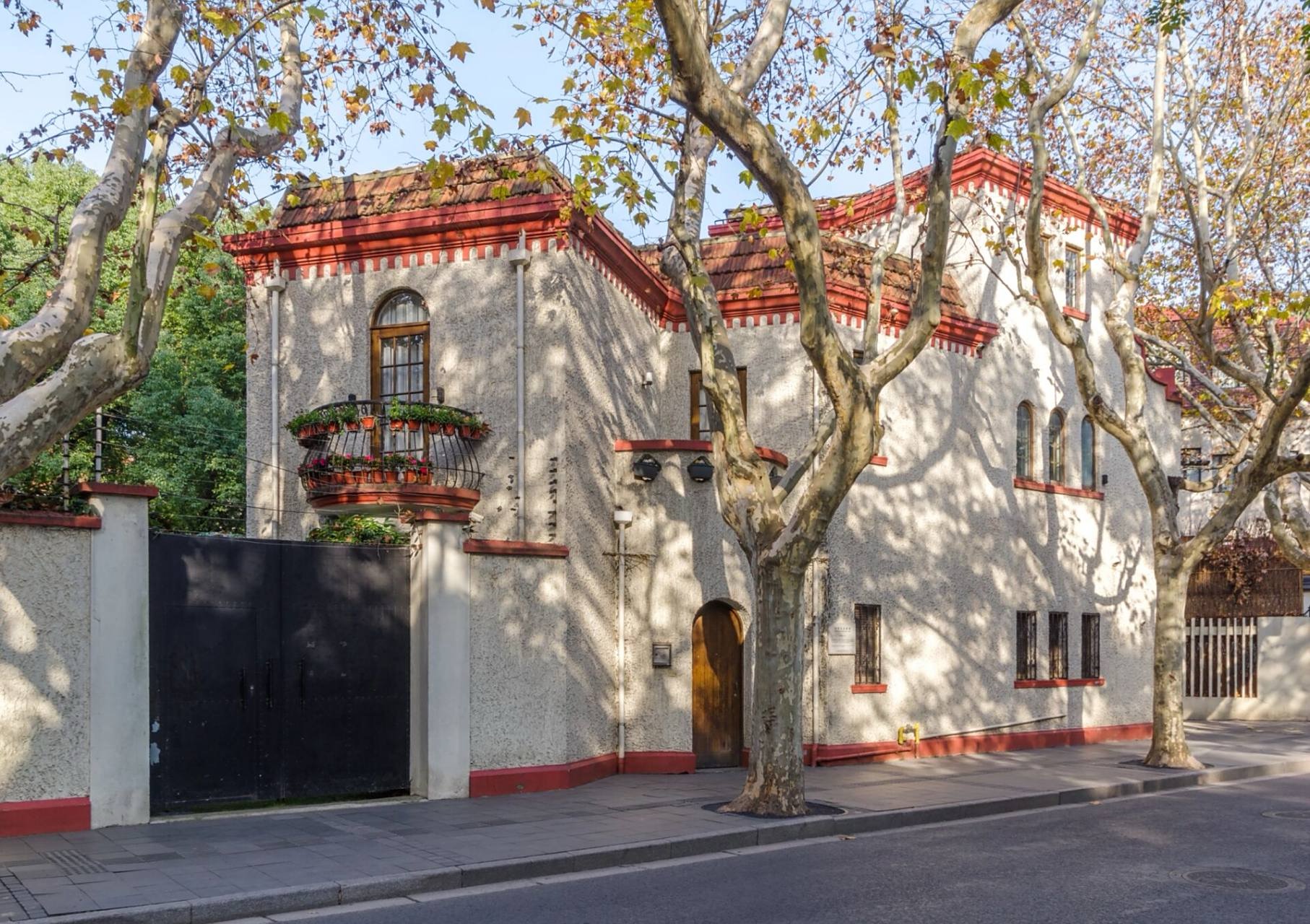
Located at No. 210 Wukang Road and built in the 1930s, this was the private residence of Italian merchant Del Nerce. The building is a three-story brick-concrete Western-style house with cream-yellow walls, white window casings, and a small curved iron balcony projecting south from the second floor, facing the plane-tree-lined depths of Wukang Road. Seen from a distance, the balcony with its surrounding walls, vines, and garden forms a highly theatrical scene, hence its popular nickname "Romeo's Balcony" (literally "Juliet's Balcony") coined in the 2000s — the most romantic micro-landmark along Wukang Road. The building is privately owned and not open to the interior; visitors can view and photograph the façade from the Wukang Road sidewalk — an unmissable "view along the way" on a Wukang Road City Walk.

Former Residence of Ba Jin (No. 113 Wukang Road) · 巴金故居

🎧 In app
Former Residence of Ba Jin (No. 113 Wukang Road)

Located at No. 113 Wukang Road, this was Ba Jin's residence from 1955 — when he moved here from Huaihai Lane — until his death in 2005, a span of nearly half a century and his longest-tenured Shanghai home with the highest output. The building is a three-bay two-story detached garden villa built in the 1920s, with simple gray-brick façades, a modest gate, and a garden preserving the magnolia and cherry trees Ba Jin himself planted. From 1958—2003, here he completed Random Thoughts (five volumes, 150 essays), True Words, In Sickness, and other major works, and hosted many Chinese and overseas scholars of his writing. Officially opened to the public in 2011, the interior retains the original arrangement of Ba Jin's furniture, desk, bookcases, and phonograph. Exhibits include manuscripts, letters, photographs, books, and personal items of Ba Jin and his wife Xiao Shan.

Medan Apartments (No. 115 Wukang Road) · 密丹公寓

🎧 In app
Medan Apartments (No. 115 Wukang Road)

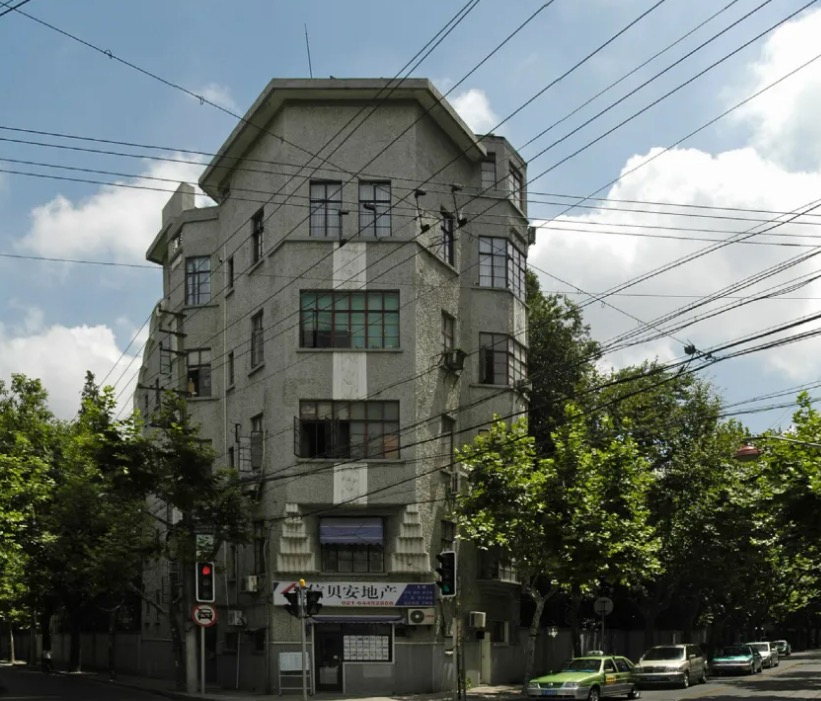
Located at No. 115 Wukang Road, Medan Apartments was funded by the French International Savings Society and designed by the architectural firm A. Léonard & P. Veysseyre in 1924. The building has six above-ground floors (originally four, later added), a brick-concrete structure, with yellow rough-cast cement walls and simple geometric window casings and balconies; the ground floor has a continuous arcade. Overall it shows the typical "Art Deco" early-modern style of the late 1920s. Located in the heart of the former French Concession next to the Ba Jin residence and Wukang Mansion Courtyard, it has long been rented by foreign doctors, engineers, and cultural celebrities. After 1949 it became ordinary residential housing for Shanghai citizens; the first and second floors are partly commercial, with residential units above. The exterior is open to view; the interior is not accessible — a must-stop on Wukang Road's "Architecture Can Be Read" walk.

Get the app

The tool solved one problem. The app handles the whole trip.

Per-trip visa judgements, audio guides, prep checklists, and a real human concierge — offline-ready, in your language.

Download for iPhoneFree to download · No OTA upsells