🕐 Duration Open 24 hours a day
🎫 Ticket Xujiahui area, Xuhui District, Shanghai (core area around the intersection of Caoxi North Road, Hongqiao Road, Zhaojiabang Road, and Huashan Road, with Xujiahui Library, Xujiahui Cathedral, and Guangqi Park as main nodes)
🚇 Metro Take Line 1, Line 9, or Line 11 to Xujiahui Station, exit at Exit 3 or Exit 8, about 5 minutes' walk to the core area
📍 Address Xujiahui area, Xuhui District, Shanghai (core area around the intersection of Caoxi North Road, Hongqiao Road, Zhaojiabang Road, and Huashan Road, with Xujiahui Library, Xujiahui Cathedral, and Guangqi Park as main nodes) Map ↗ Inside Xujiahui Source Scenic Area
Xujiahui Library · 徐家汇书院
🎧 In app 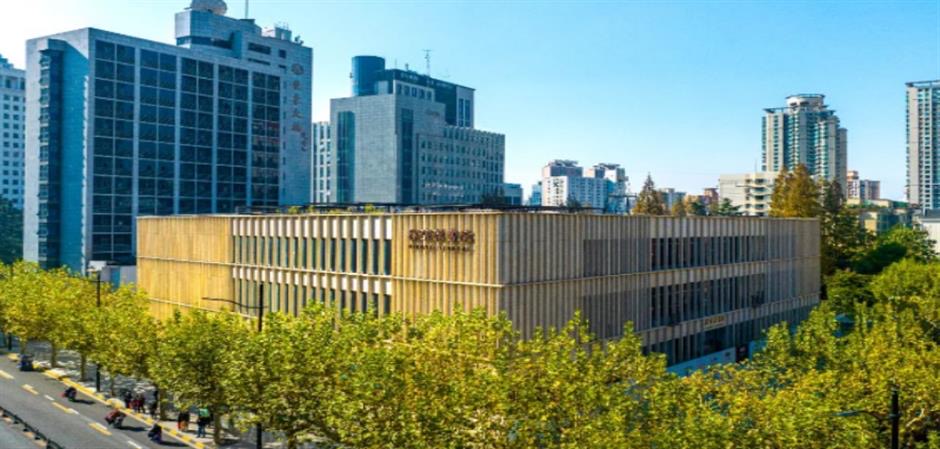
Xujiahui Library is a striking contemporary public library opened in 2023, designed as a 'book box in the garden' with a translucent glass façade that glows at night. Located at the heart of the Xujiahui cultural district, the three-story building houses over 200,000 volumes, a children's reading area, digital media labs, and exhibition spaces. The interior features open-plan reading rooms with floor-to-ceiling windows overlooking the adjacent church plaza and parkland. The library's design integrates sustainable elements—natural ventilation, solar shading, and rainwater harvesting—while its terraced reading areas create a serene, layered spatial experience. It has quickly become one of Shanghai's most beloved public cultural spaces.
Xujiahui Catholic Church · 徐家汇天主堂
🎧 In app 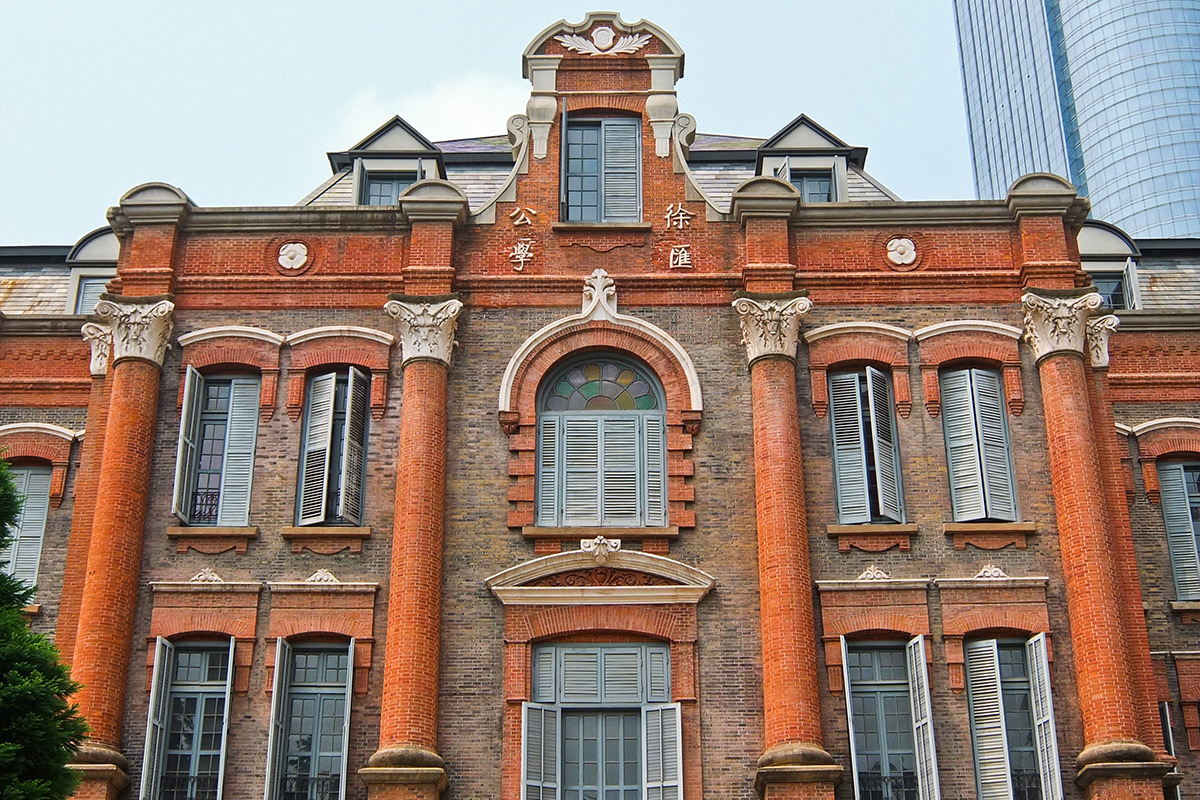
The Xujiahui Catholic Church (St. Ignatius Cathedral) is Shanghai's largest Gothic Revival church, completed in 1910 by French Jesuit architects. Its twin spires rise 57 meters, dominating the Xujiahui skyline with red-brick walls and stone tracery windows. The interior features a soaring rib-vaulted nave, stained glass windows imported from France, and a capacity of 2,500 worshippers. The church was severely damaged during the Cultural Revolution—its spires were removed and stained glass destroyed—but underwent a major restoration completed in 2013, returning the twin spires and reinstalling stained glass. As the spiritual center of Shanghai's Catholic community and a key landmark of Xujiahui's Jesuit heritage, the church is both an active place of worship and a major architectural monument.
Shanghai Meteorological Museum (Former Xujiahui Observatory) · 上海气象博物馆(徐家汇观象台旧址)
🎧 In app 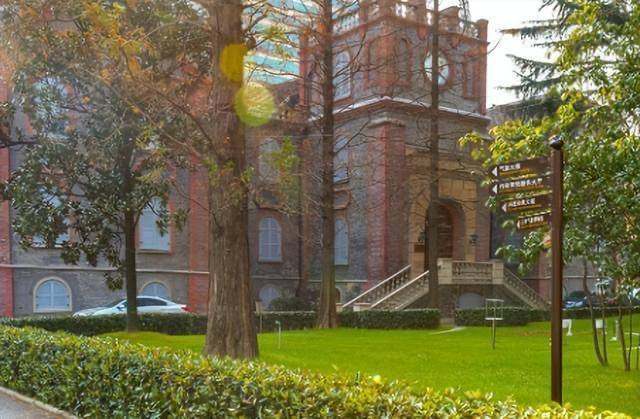
The Shanghai Meteorological Museum occupies the former Xujiahui Observatory, established by Jesuit priests in 1872 as one of East Asia's first modern meteorological stations. The building's French Renaissance-style architecture features a central tower and weather-observation balcony. The museum displays historical instruments—barometers, anemometers, seismographs—and documents the observatory's 150-year continuous weather record, one of the longest in Asia. Exhibits also cover the history of typhoon tracking, earthquake monitoring, and time-keeping services that the observatory provided to Shanghai and the wider China coast. The restored building itself is a cultural relic, offering visitors a glimpse into the scientific contributions of the Jesuit mission to modern China.
Former Xuhui Public School (Chongsi Building) · 徐汇公学旧址(崇思楼)
🎧 In app 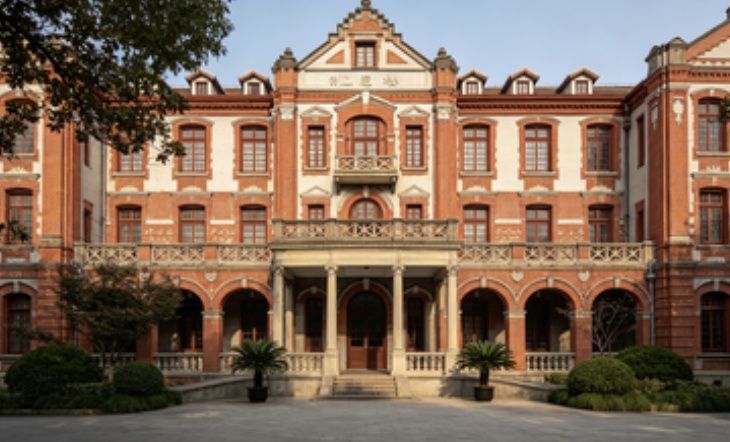
The Former Xuhui Public School (Chongsi Building) is a historic educational institution founded in 1850 by Jesuit priests, making it one of Shanghai's oldest Western-style schools. The Chongsi Building, constructed in 1917, is a three-story brick-and-stone structure combining French Renaissance and Chinese architectural elements, with arched colonnades, red-brick walls, and a central clock tower. The school educated many prominent Chinese intellectuals, scientists, and public figures throughout its history. Now preserved as a cultural heritage site, the building houses a small exhibition on the history of Western education in Shanghai and the Xujiahui cultural district's role as a center of learning and cultural exchange.
Pathé Villa (March of the Volunteers Recording Memorial) · 百代小楼(《义勇军进行曲》灌制地纪念馆)
🎧 In app 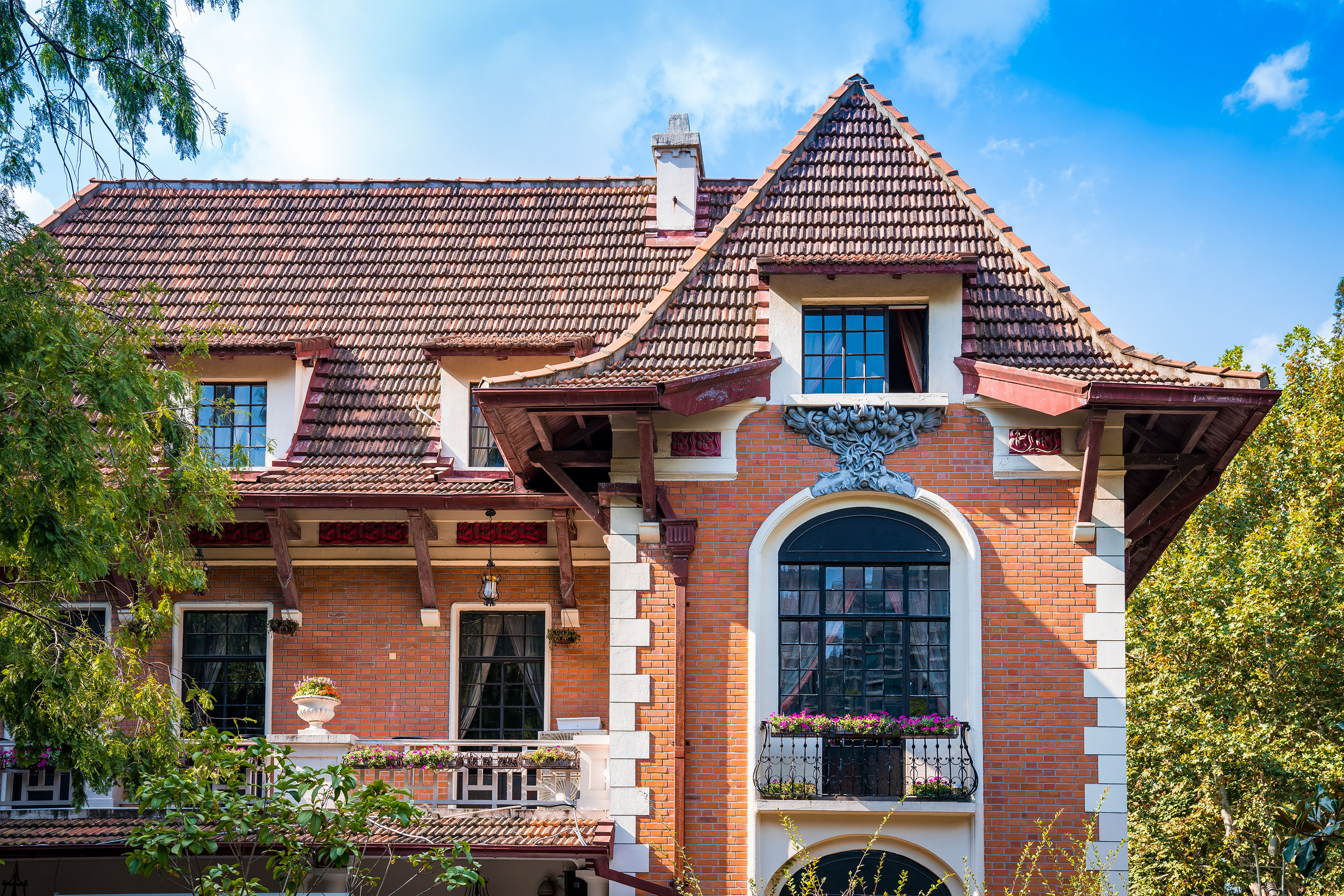
The Pathé Villa (Baidai Xiaolou) is a red-brick Western-style garden residence built in 1921 that became the Shanghai headquarters of Pathé Records (later EMI) in the 1930s. It was here, in 1935, that the 'March of the Volunteers'—now China's national anthem—was first recorded by singer Yuan Muzhi and composer Nie Er. The villa has been restored as a memorial museum, displaying original recording equipment, vintage gramophones, historical photographs, and interactive exhibits on the history of China's recording industry. The ground-floor recording studio where the anthem was laid down is preserved as a key exhibit. The building itself is a protected cultural relic, representing both Shanghai's musical heritage and the revolutionary history embedded in the national anthem.
Shanghai Film Museum · 上海电影博物馆
🎧 In app 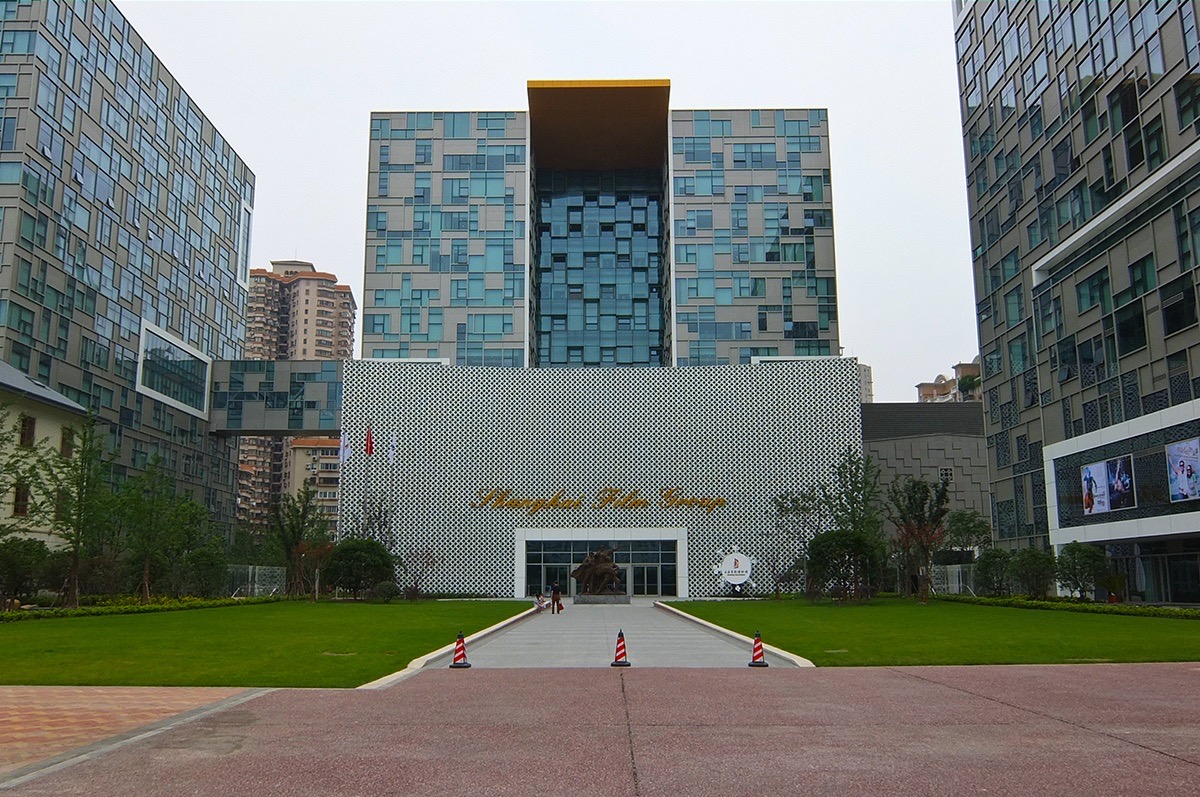
The Shanghai Film Museum is a four-story, 15,000-square-meter museum dedicated to the history of Chinese cinema, located in the former Shanghai Film Studio complex in Xujiahui. Opened in 2013, the museum traces over a century of filmmaking from Shanghai's role as the birthplace of Chinese cinema in the 1890s through the golden age of 1930s Shanghai cinema and into the contemporary era. Exhibits include vintage cameras, projectors, costume collections, set recreations, and interactive displays where visitors can try dubbing, special effects, and animation. The museum also houses a 4D cinema, a classic film screening room, and a permanent exhibition on the Shanghai Animation Film Studio, celebrating China's rich tradition of animated filmmaking.
Guangqi Park and Xu Guangqi Memorial Hall · 光启公园与徐光启纪念馆
🎧 In app 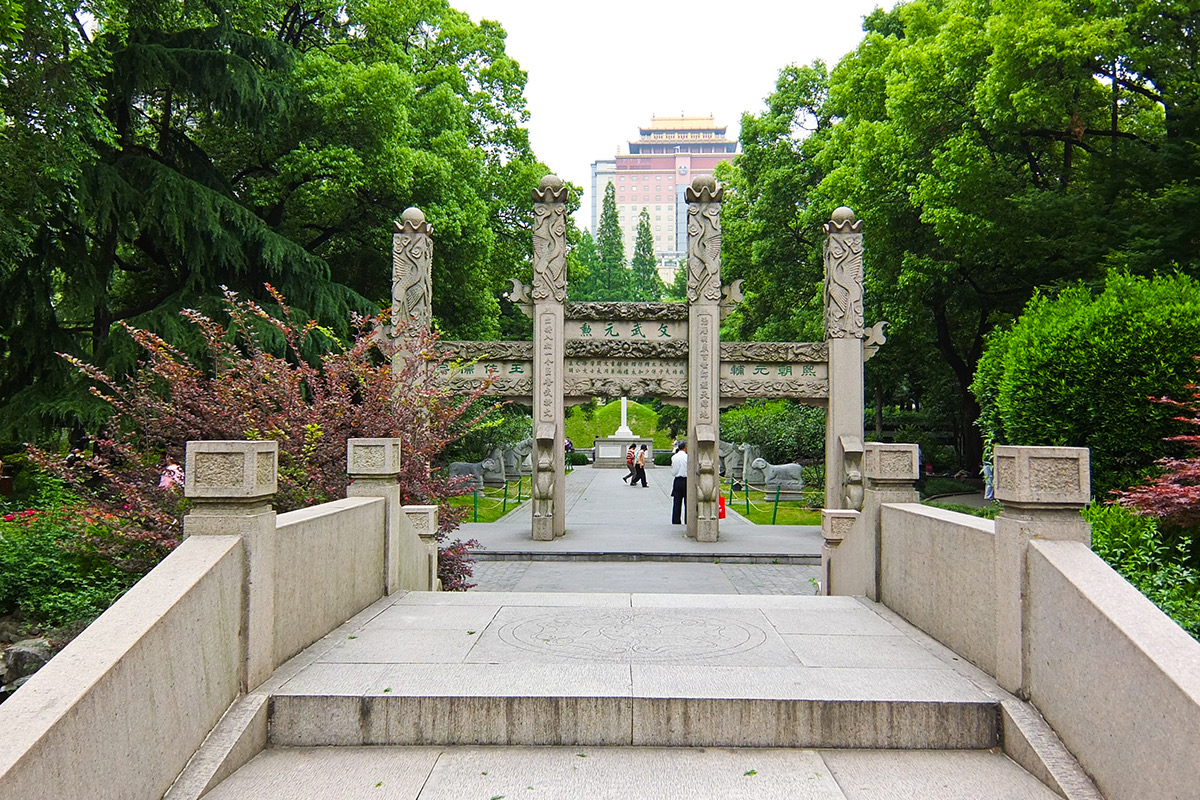
Guangqi Park and the Xu Guangqi Memorial Hall honor Xu Guangqi (1562–1633), the Ming dynasty polymath who was one of the first Chinese scholars to systematically study Western science and Christianity. The park contains Xu Guangqi's tomb, a simple mound surrounded by greenery, while the memorial hall—housed in a traditional Chinese-style building—displays his manuscripts, translations of Euclid's geometry (co-translated with Jesuit Matteo Ricci), astronomical instruments, and correspondence. The exhibits document Xu's pioneering role in Sino-Western cultural exchange, his contributions to mathematics, agriculture, and astronomy, and his lasting influence on Chinese intellectual history. The park serves as both a historical site and a peaceful green space in the heart of the Xujiahui district, which itself is named after Xu's family estate.
Tushanwan Museum · 土山湾博物馆
🎧 In app 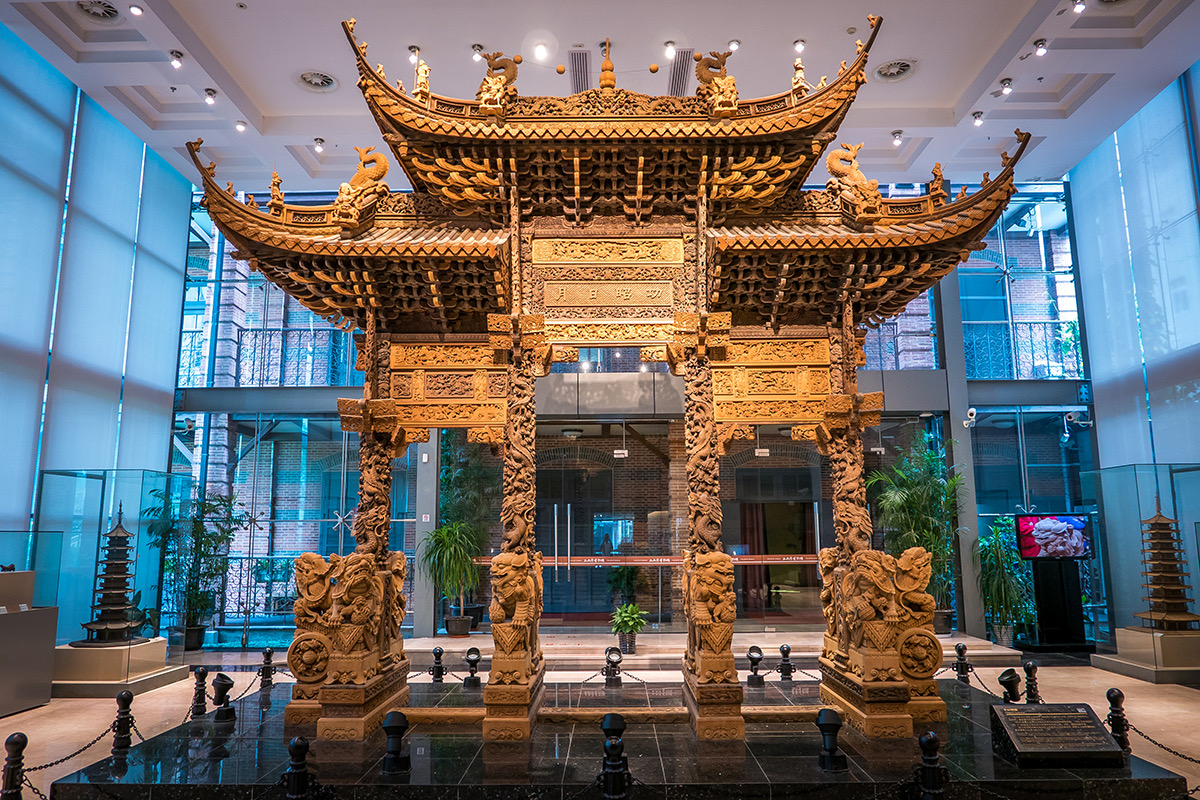
The Tushanwan Museum commemorates the Tushanwan Orphanage and Arts Workshop, established by Jesuit priests in 1864. The orphanage workshop became renowned for training orphaned boys in Western-style painting, sculpture, woodcarving, stained glass, and printing, effectively becoming the 'cradle of Western art in Shanghai.' The museum displays original Tushanwan artworks—including religious paintings, carved altarpieces, and the famous 'Tushanwan brand' color prints—alongside historical photographs and workshop tools. Exhibits document how Tushanwan graduates influenced modern Chinese art, design, and publishing, and how the workshop produced works for churches and institutions across China and Southeast Asia. The museum provides a unique window into the cultural exchange between East and West through craft education.
Former Notre Dame Convent (Shanghai Old Station) · 圣母院旧址(上海老站)
🎧 In app 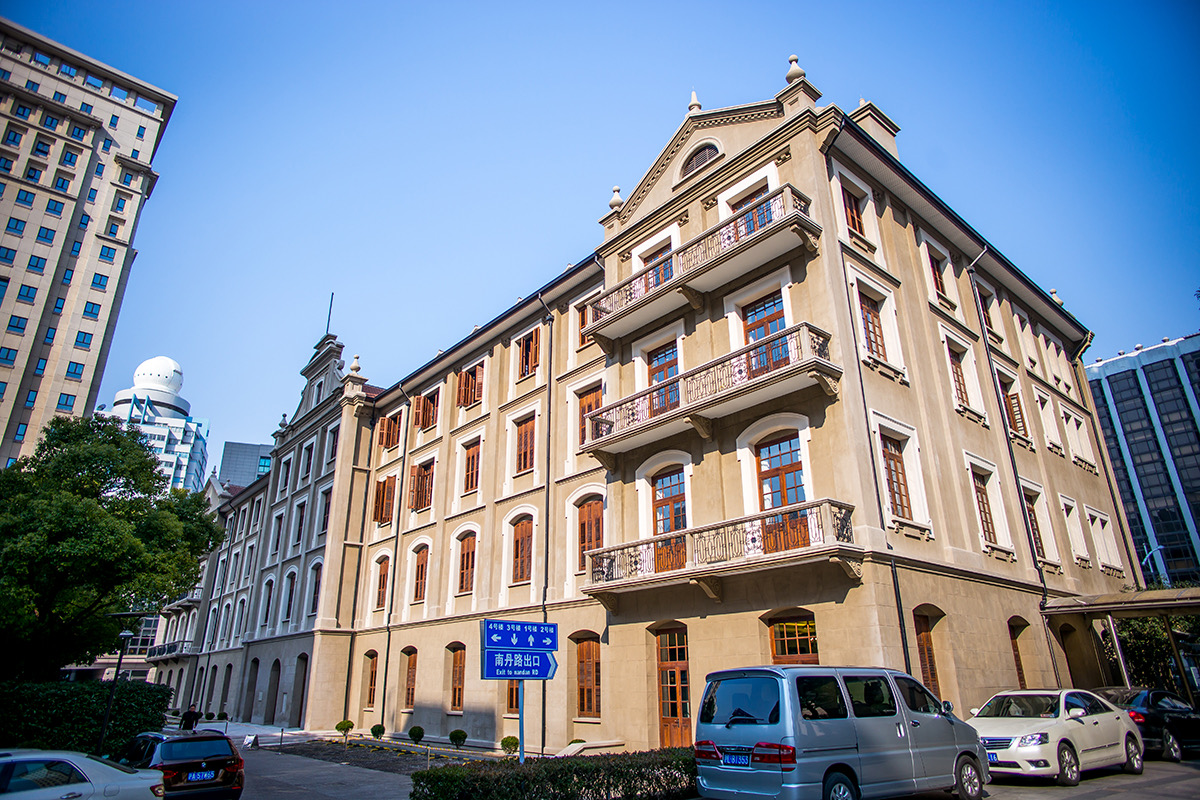
The Former Notre Dame Convent, now operating as the 'Shanghai Old Station' restaurant, is a historic religious compound built by the Sisters of the Presentation of Mary in the 1860s. The complex includes a Gothic-style chapel, a European-style convent building, and landscaped gardens. After the convent's closure, the buildings were adaptively reused as a restaurant specializing in Shanghainese cuisine, with dining rooms set in the former chapel and convent halls. The interior preserves many original architectural features—vaulted ceilings, stained glass, stone columns—while vintage train carriages placed in the garden reference the nearby former railway station. The site represents both the religious heritage of Xujiahui and the adaptive reuse of historic buildings in contemporary Shanghai.