🎫 Ticket Free, but full real-name reservation is mandatory; no on-site tickets; entry is not possible without a reservation
🎫 Ticket Permanent exhibitions are free; some temporary special exhibitions may charge separately
🕘 Opening Hours - Tuesday to Sunday: 09:00–17:00 (entry stops at 16:00)
- Closed on Mondays (except public holidays)
- Special events or night openings are subject to official announcements
❌ Closed Closed on Mondays (except public holidays)
🚇 Metro Line 6 Humble Administrator's Garden Suzhou Museum Station Exit 1/2, walk 2–5 minutes (closest, most recommended)
🚇 Metro Alternative: Line 4 Beisi Pagoda Station Exit 4, walk about 8–10 minutes
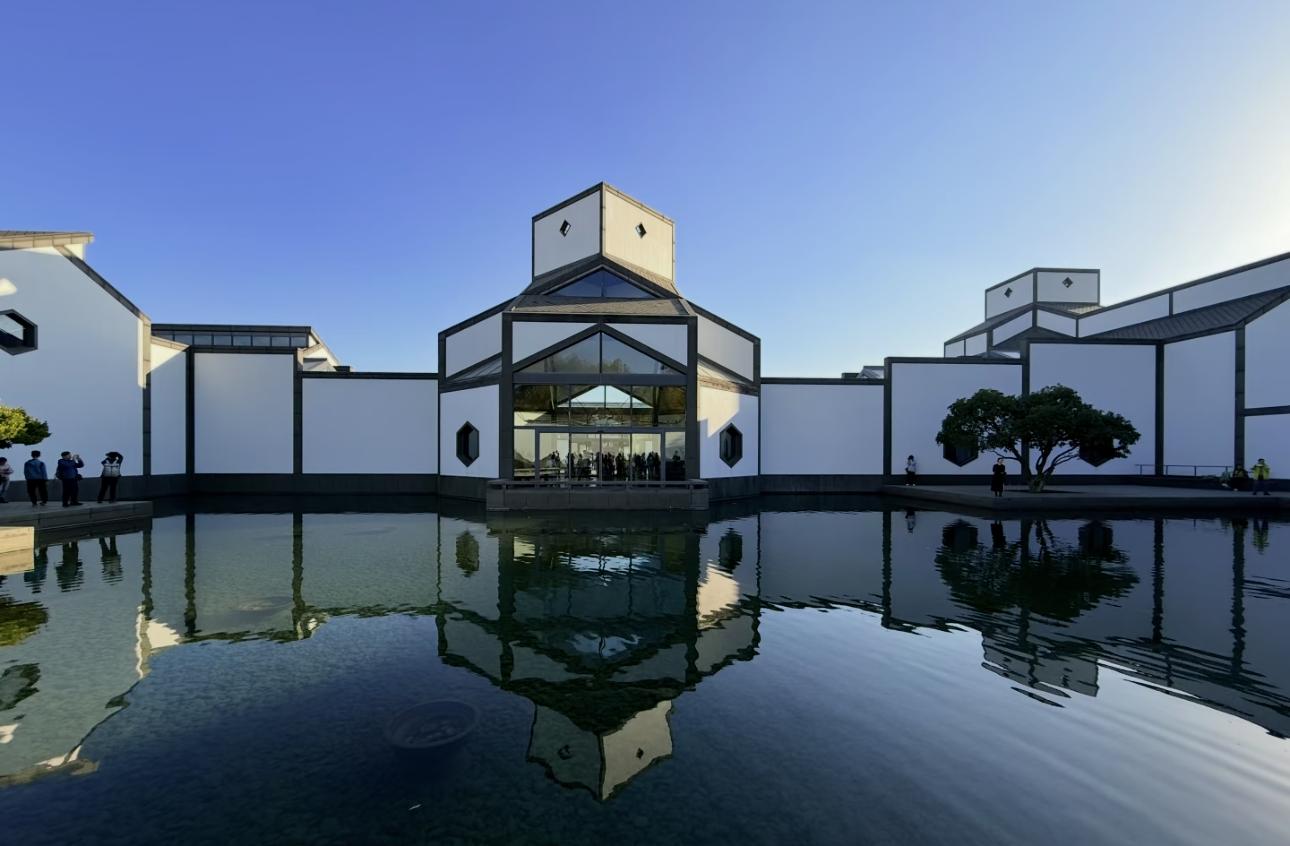
📍 Address No. 204 Northeast Street, Gusu District, Suzhou, Jiangsu Province, China Map ↗ ⚠️ BookingAdvance reservation required
Inside Suzhou Museum
Entrance Hall · 入口大厅
🎧 In app 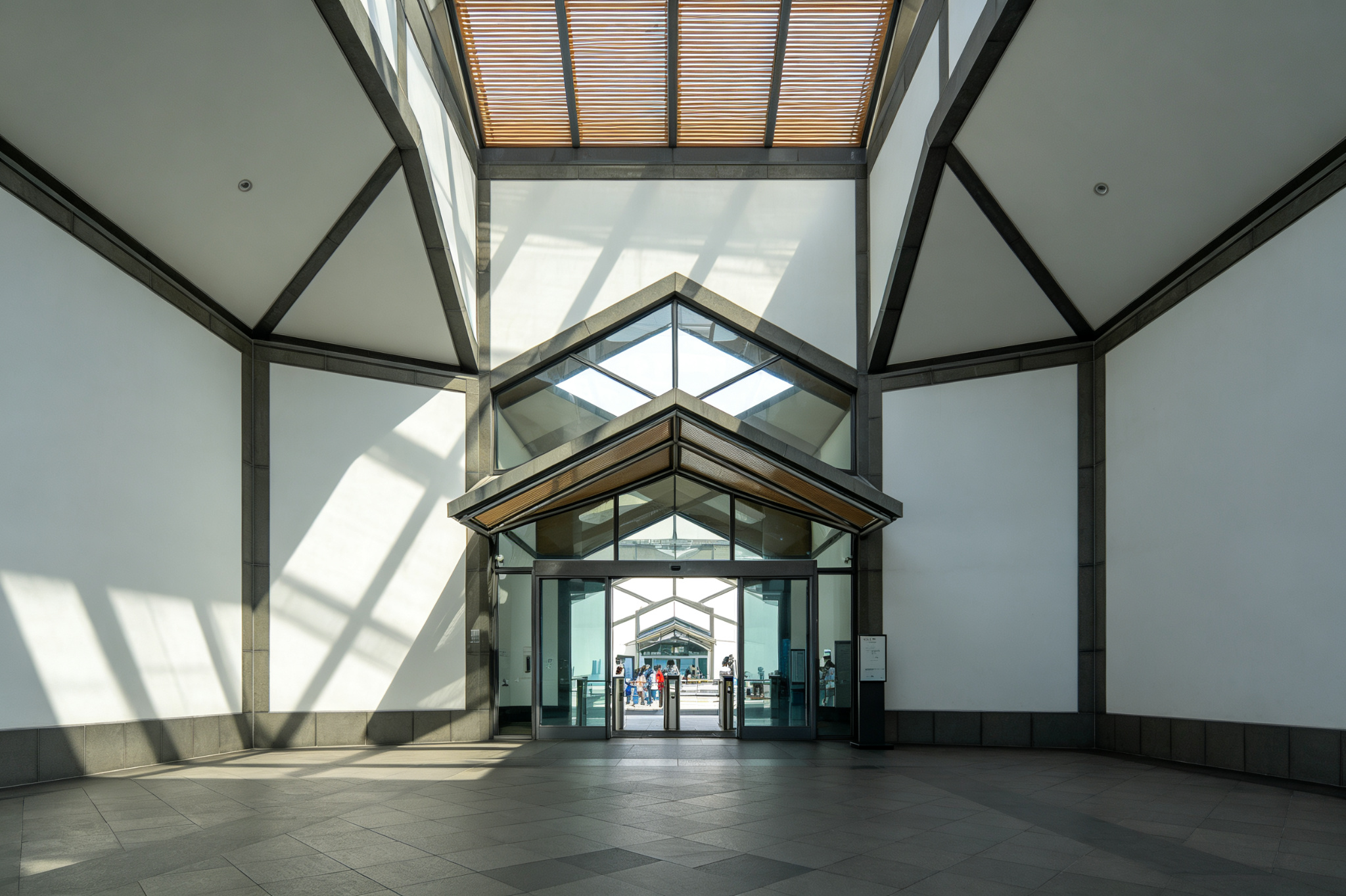
The Entrance Hall serves as the welcoming space of Suzhou Museum's new wing, masterfully designed by the world-renowned architect I.M. Pei. Clean geometric lines and expansive glass walls create a luminous, airy atmosphere, while natural light streaming through skylights casts shifting shadows across white walls and gray eaves. A guide desk and multimedia displays provide comprehensive visitor information. From the hall, glimpses of the rockery in the main courtyard already reveal a dialogue between ancient and modern aesthetics.
Wu Region Heritage Gallery · 吴地遗珍展厅
🎧 In app 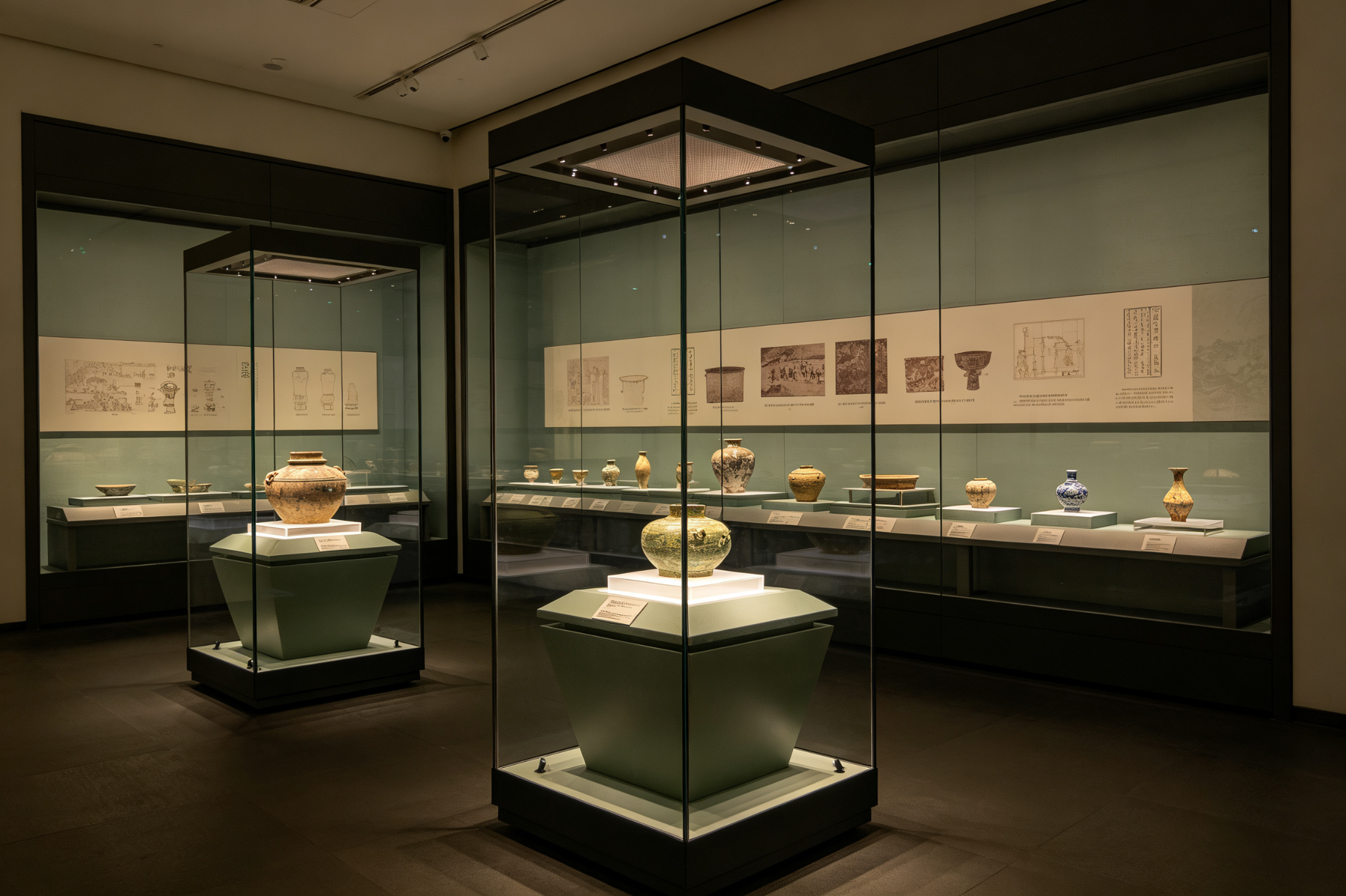
The Wu Region Heritage Gallery brings together important archaeological finds from Suzhou, ranging from Shang-Zhou bronze wares to Spring-and-Autumn jade pieces, from Han dynasty pottery figurines to Six Dynasties celadon. Three thematic sections — "Origins of Wu," "Artifacts of Wu," and "Spirit of Wu" — weave a continuous narrative, allowing visitors to experience Suzhou's deep cultural accumulation through individual objects. Bronze swords and primitive porcelain jars are especially prized, testifying to the extraordinary metallurgical and ceramic skills of Wu's early inhabitants. This gallery is essential for understanding the roots of Jiangnan culture.
Wu Pagoda National Treasures Gallery · 吴塔国宝展厅
🎧 In app 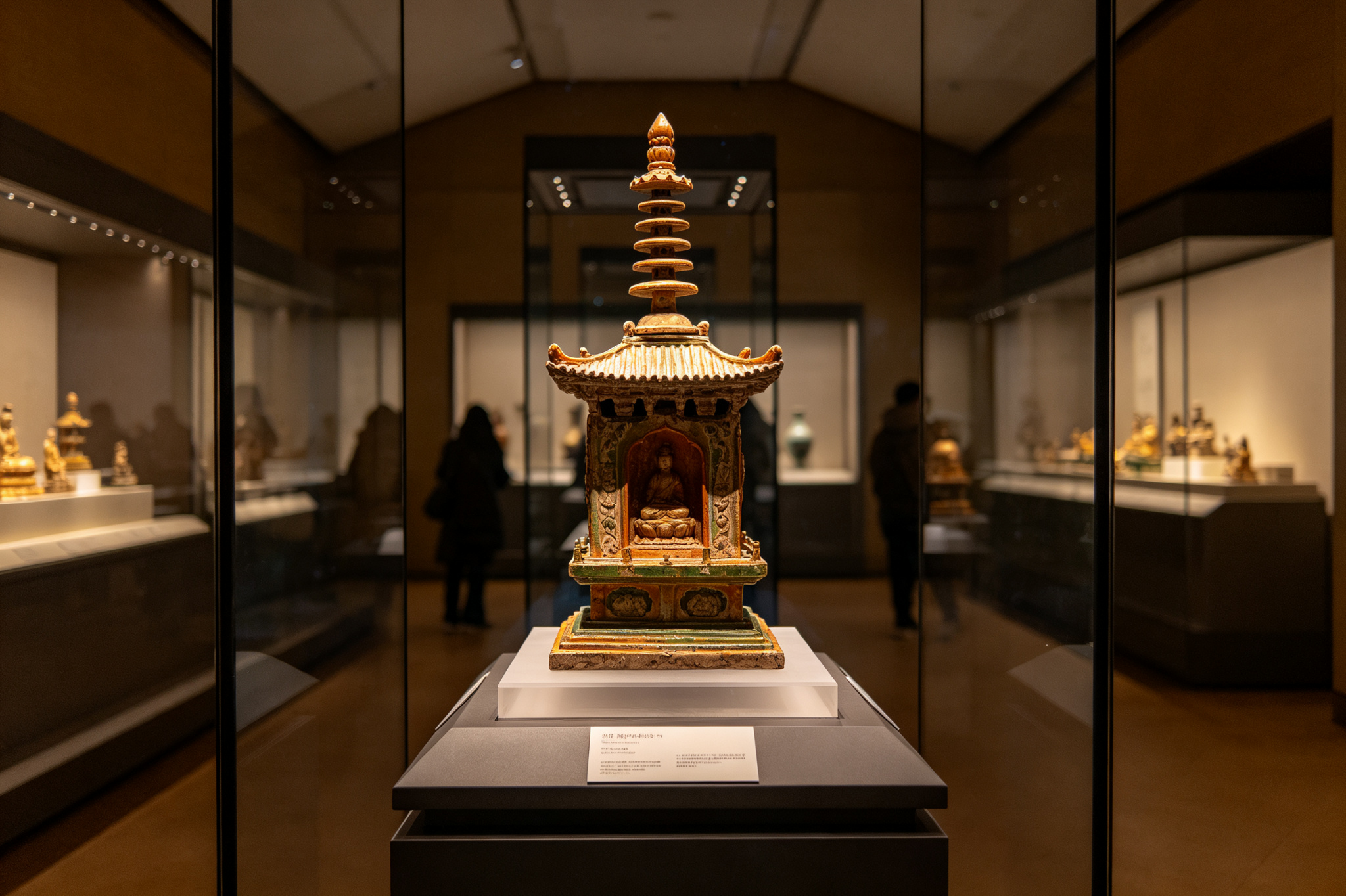
The Wu Pagoda National Treasures Gallery is one of the museum's most compelling spaces, concentrating national-treasure-grade artifacts discovered inside Huqiu Yunyan Temple Pagoda and Ruiguang Pagoda. The Yue kiln mise (secret-color) porcelain lotus bowl from Huqiu, its glaze as green as lake water, is widely acknowledged as the pinnacle of late Tang–Five Dynasties secret-color porcelain. The Pearl Relic Stupa from Ruiguang Pagoda, intricately carved from pearls, gems, and sandalwood, astonishes the world with its craftsmanship. These relics not only reveal the depth of Wu's Buddhist culture but also represent the zenith of Suzhou craftsmanship before the Song dynasty — an unmissable highlight of any visit.
Wu Elegance Gallery · 吴中风雅展厅
🎧 In app 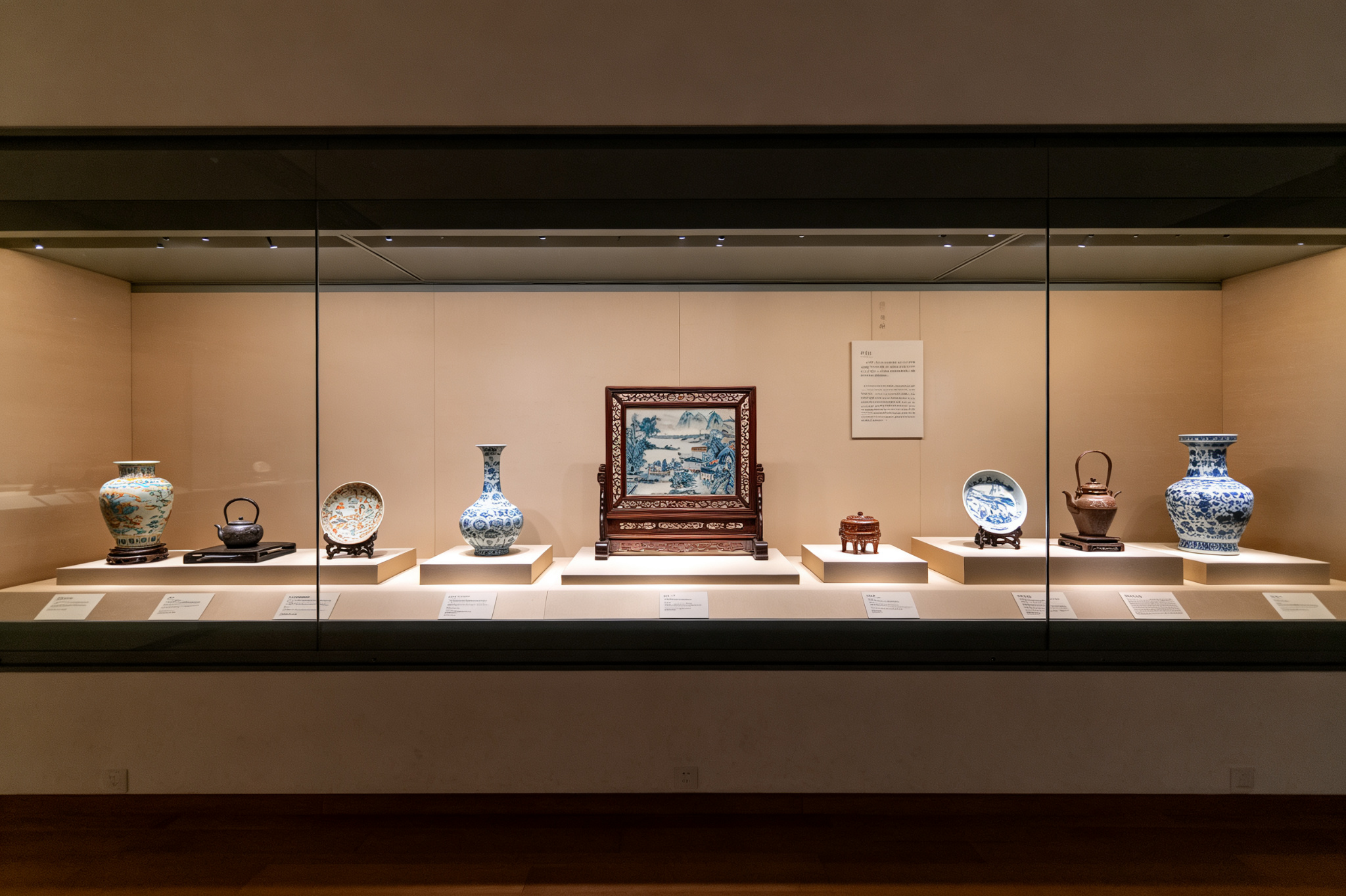
The Wu Elegance Gallery follows a timeline from the Song dynasty to the Ming-Qing era, using studio implements, tea ware, incense sets, and guqin to vividly recreate the "ya" (refined) lifestyle of Suzhou's literati class. Sections such as "Study Treasures," "Tea and Zen," and "Qin, Qi, Shu, Hua" allow visitors to glimpse how ancient Suzhou scholars pursued spiritual transcendence and aesthetic perfection in daily life. Each exquisite inkstone, warm tea cup, and understated incense burner speaks to the Wu literati's ideal of embodying philosophy through objects. The gallery displays not only the beauty of artifacts but also a Jiangnan philosophy of life spanning a millennium.
Wu School Calligraphy & Painting Gallery · 吴门书画展厅
🎧 In app 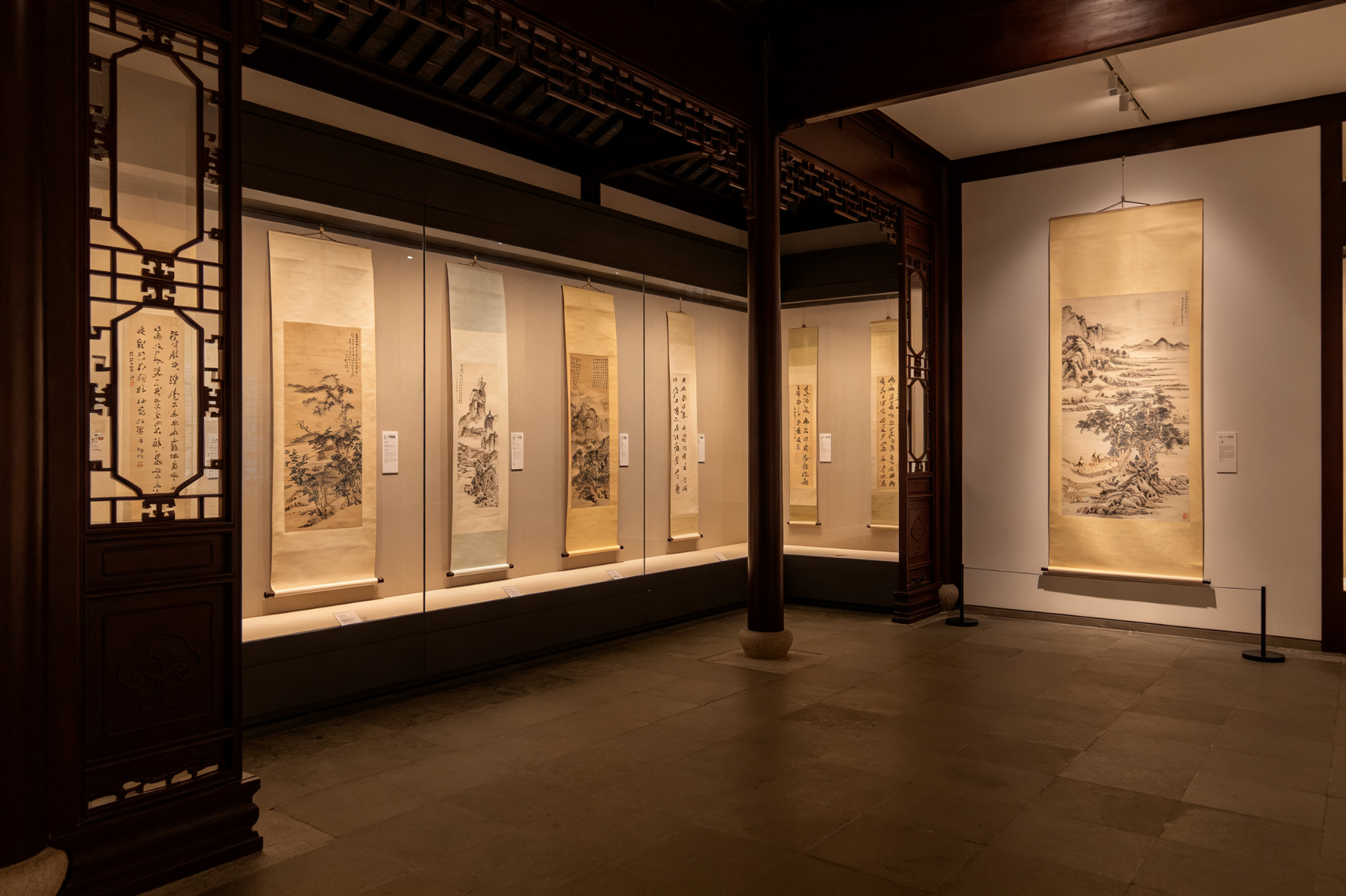
The Wu School Calligraphy & Painting Gallery is one of the museum's most artistically significant spaces, systematically collecting and displaying core works of the Ming-dynasty Wu School. Shen Zhou's robust and moist brushwork, Wen Zhengming's refined precision, Tang Yin's spirited fluidity, and Qiu Ying's exquisite grace — the four Wu masters each achieved brilliance in their own style, collectively shaping the pinnacle of Ming literati painting. The gallery also features Wu School calligraphy, from Zhu Yunming's wild cursive script to Wen Zhengming's small regular script, revealing Wu literati's talent and character in every stroke. Rotating thematic exhibitions ensure new discoveries on each visit — an essential destination for lovers of calligraphy and painting in Suzhou.
Neolithic Jade Gallery · 新石器时代玉器展厅
🎧 In app 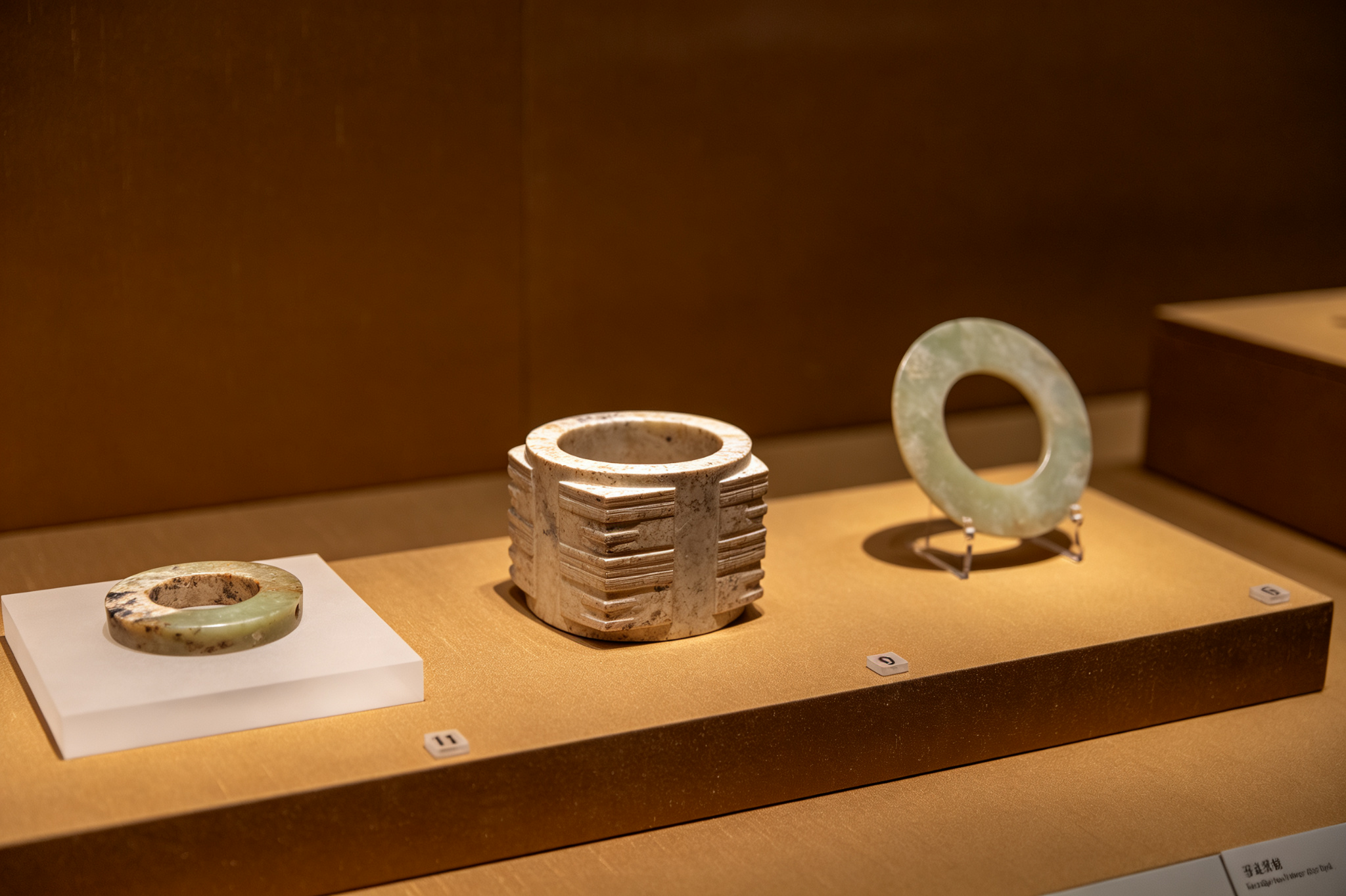
The Neolithic Jade Gallery focuses on jade treasures from the Neolithic period in the Lake Tai region, especially the Liangzhu culture. Jade bi discs, cong tubes, axe heads, and huang pendants — these forms carried ancient reverence for heaven and earth and symbolized authority; their finely incised patterns and polished surfaces are awe-inspiring. The gallery restores the archaeological context of these jades, helping visitors understand that they were not mere ornaments but ritual implements for communicating with deities and marking social rank. The god-and-animal mask motif on Liangzhu cong is considered one of the earliest divine emblems of Chinese civilization, holding irreplaceable academic value for exploring East Asian civilizational origins.
Main Courtyard (Slice Rockery) · 主庭院(片石假山)
🎧 In app 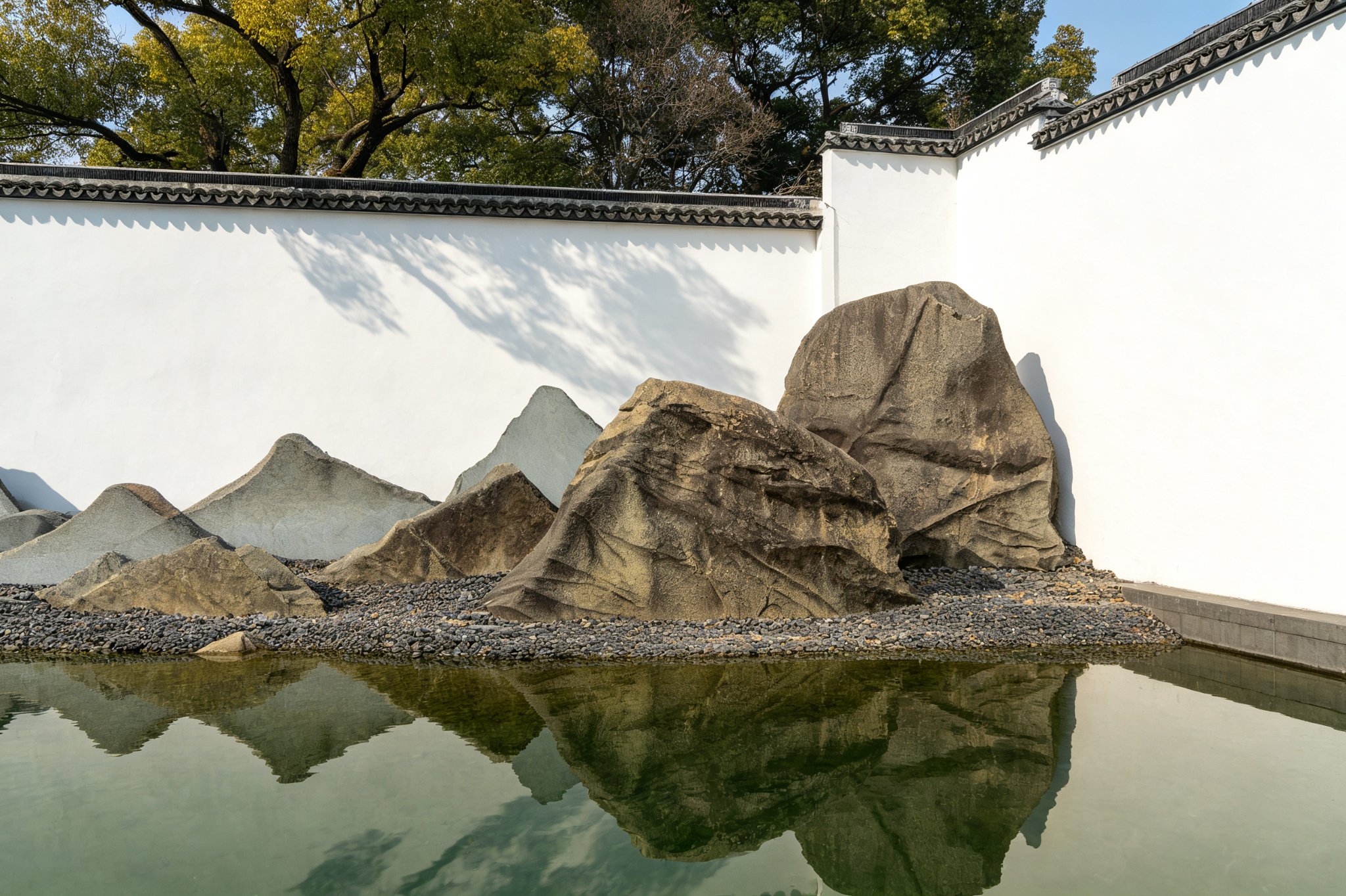
The Main Courtyard is the most iconic space in Suzhou Museum's new wing, conceived and designed by I.M. Pei himself. Using white walls as canvas and sliced rocks as brushstrokes, he transforms Mi Fu's "Mi-style cloud mountains" from ink painting into a three-dimensional landscape. Gray rock slices, staggered and layered against white walls, appear like distant peaks emerging through mist, breaking from traditional rockery stacking to create an unprecedented "wall-as-canvas, stone-as-painting" modern garden aesthetic. The courtyard's mirror-like water, sparse bamboo shadows, and views across the wall to the Humble Administrator's Garden form a natural dialogue between old and new — I.M. Pei's enduring gift to Suzhou.
Wisteria Garden · 紫藤园
🎧 In app 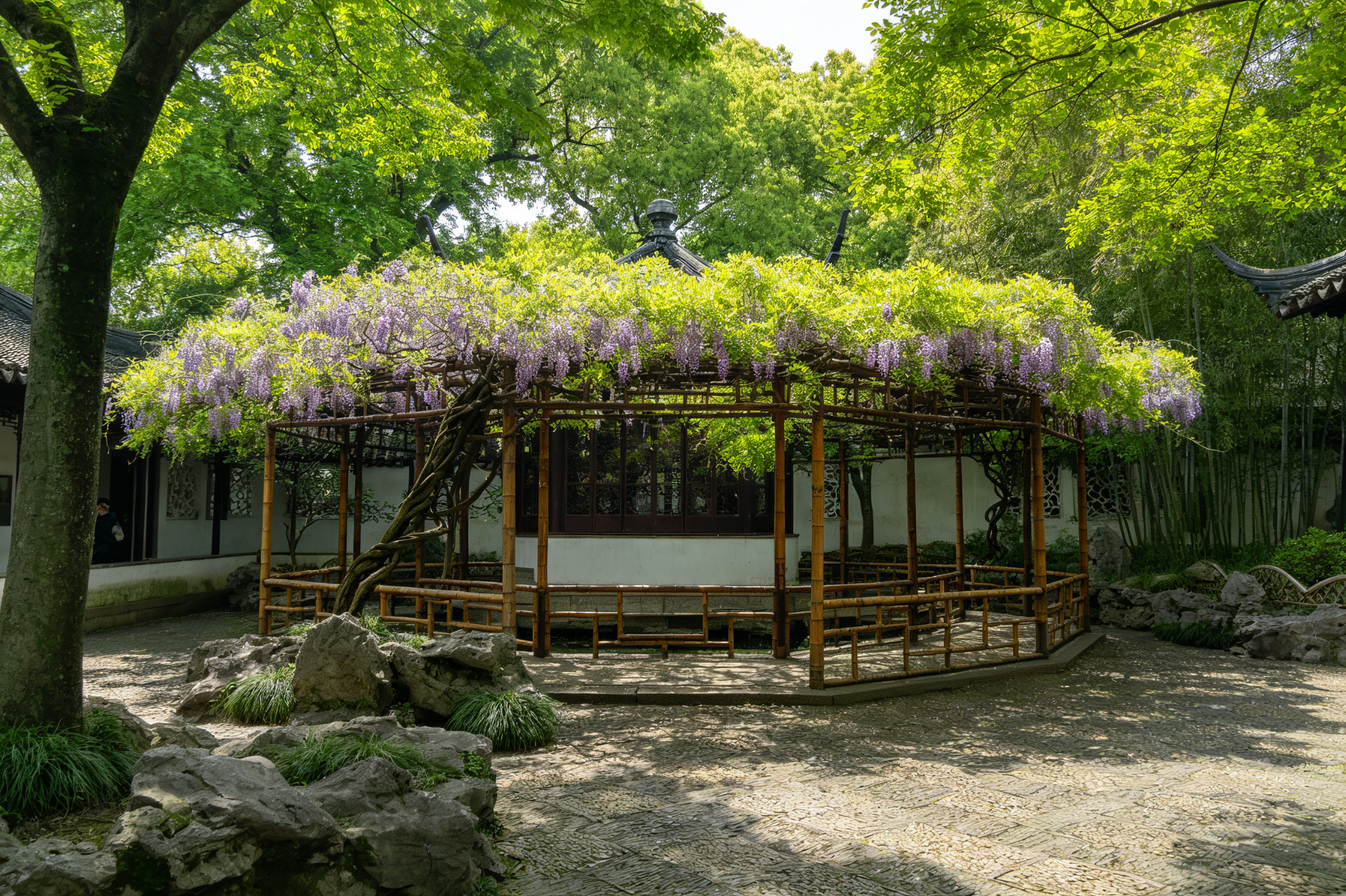
The Wisteria Garden occupies the transitional zone between the new wing and the Loyal King's Mansion, the museum's most poetic small garden space. The wisteria vines originate from centuries-old stock inside the Loyal King's Mansion; I.M. Pei personally grafted them here, enabling this time-spanning life to continue blossoming in the new wing. Each April, wisteria cascades like a waterfall, purple petals swaying in the breeze against white walls and gray tiles in stunning color contrast. Stone paths wind beneath the canopy, light dappling through leaves — a moment's pause here reveals Pei's deeper design philosophy using plants as living links: new and old are not severed but share the same roots.
Tea Room · 茶室
🎧 In app 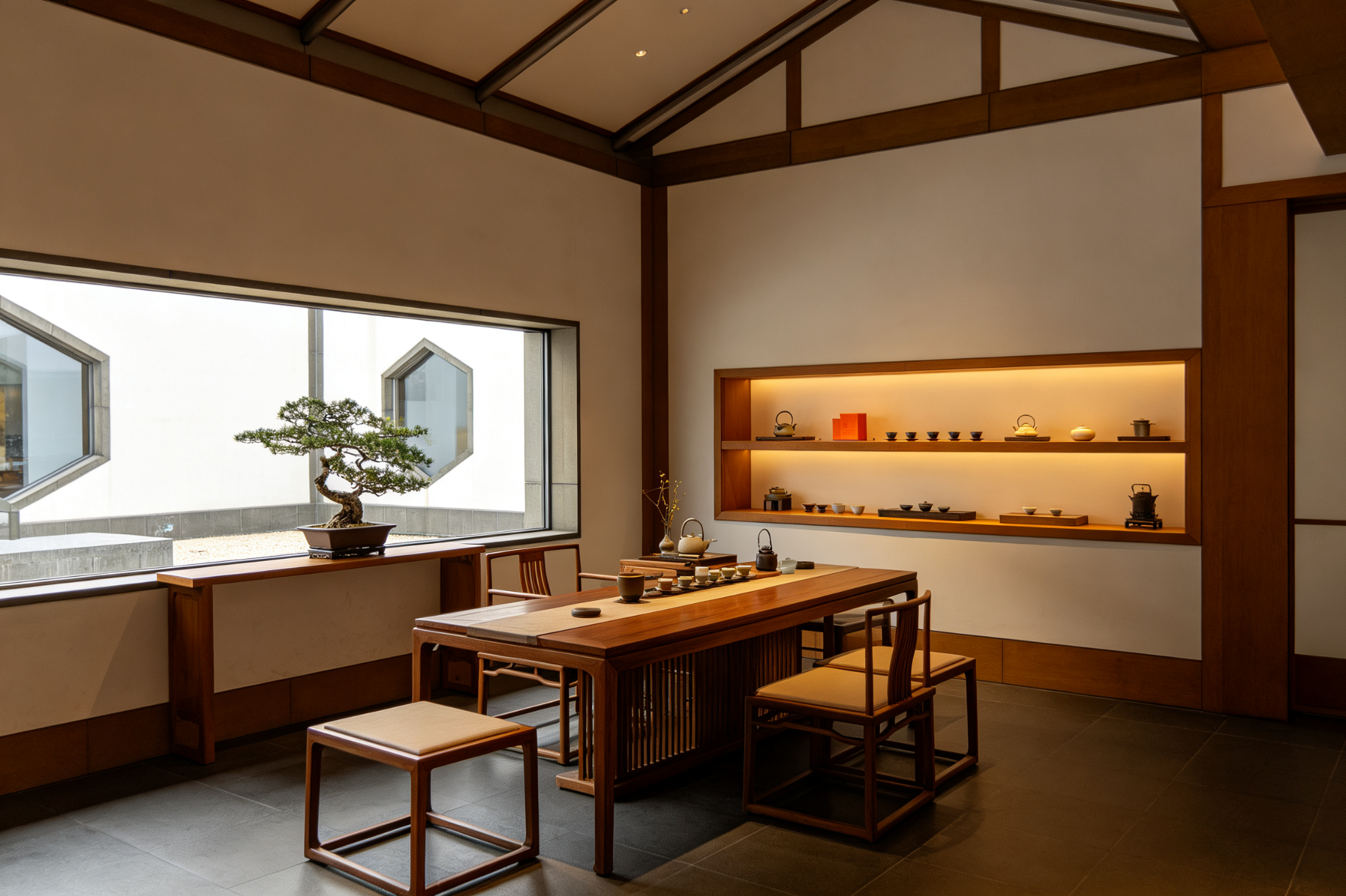
The Tea Room sits on the west side of the new wing, with expansive floor-to-ceiling glass directly facing the Main Courtyard's slice-rock rockery and water feature — the museum's most restorative retreat. Suzhou Biluochun is the signature brew, accompanied by local tea snacks, inviting visitors to slow their pace with a cup of clear tea after viewing exhibitions. The design extends Pei's minimalist aesthetic: gray-white tones with wooden furniture, landscape paintings beyond the glass, tea mist within, merging into a distinctive Zen atmosphere. Whether for a leisurely afternoon sit or a brief inter-exhibition pause, the Tea Room transforms the museum visit into a sensory pleasure.
Taiping Heavenly Kingdom Loyal King Mansion · 太平天国忠王府
🎧 In app 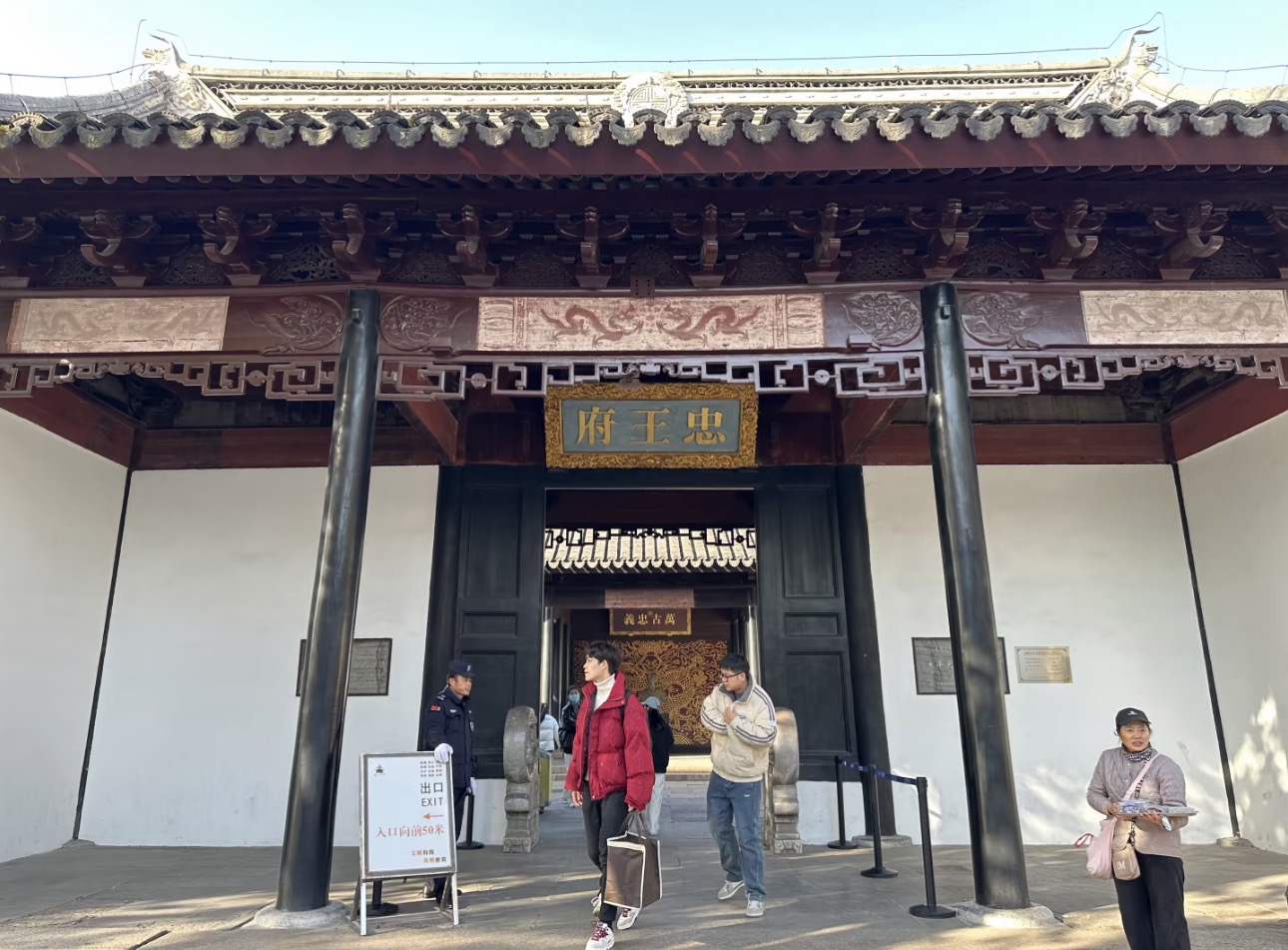
The Loyal King's Mansion is a core component of Suzhou Museum, originally the Suzhou residence of the Taiping Heavenly Kingdom's Loyal King Li Xiucheng, built around 1860. It is one of the best-preserved Taiping historical buildings in China, where classical Suzhou palace layout coexists with distinctive Taiping decorative elements — dragon carvings, painted murals, and Taiping inscriptions forming unique layers of historical information. The indoor classical stage inside is a rare large-scale theater in Jiangnan, its caisson ceiling carved with breathtaking finesse. Connected to Pei's new wing, stepping from the classical halls into the modern space crosses a century in a single stride, giving the tension between history and contemporary its most vivid expression.