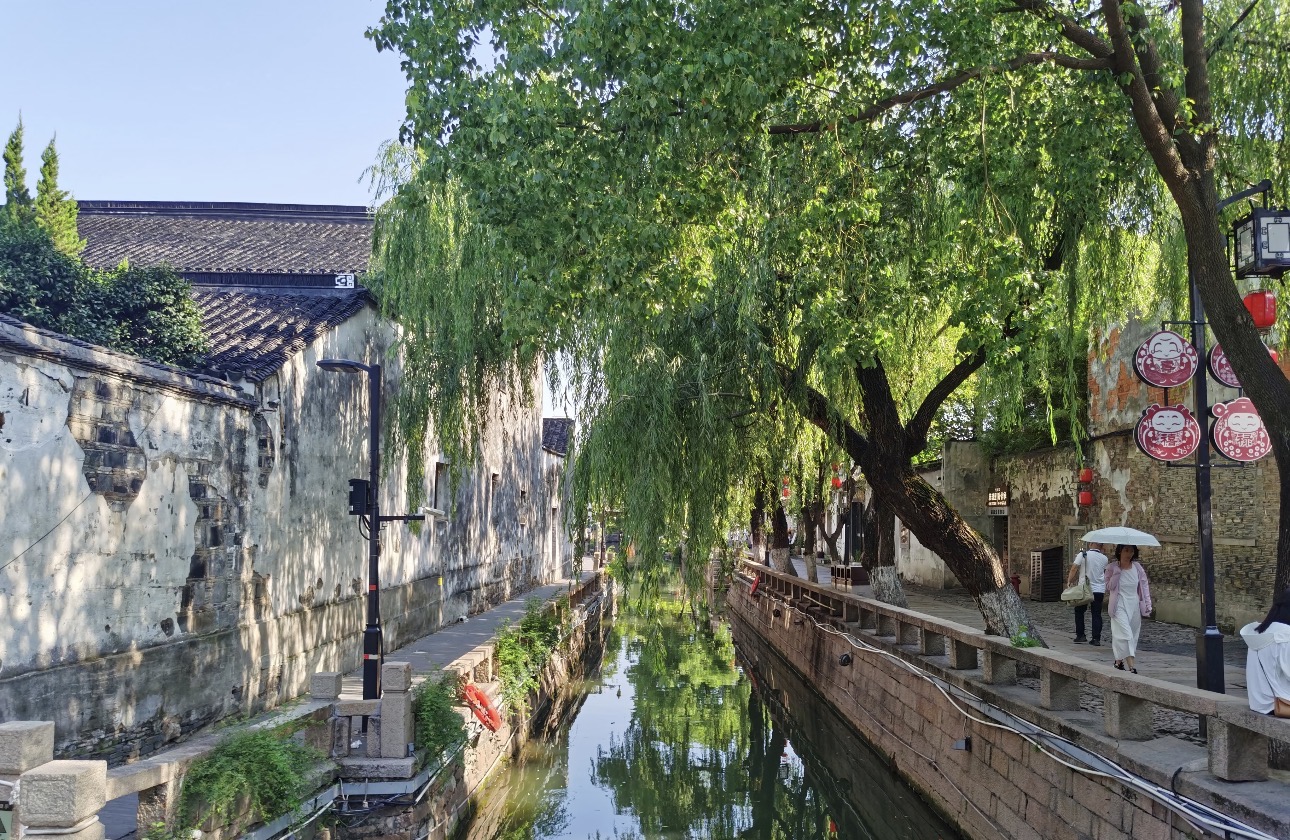
🎫 Ticket Public areas of the block are free to enter;
🎫 Ticket Inner attractions such as Couple's Garden, Kunqu Opera Museum, sculling boat rides, Pingtan teahouses, and shops require separate payment
🕘 Opening Hours - The street is open 24 hours a day
- Shops, restaurants, and museums along the street generally operate from 09:00 to 22:00; hours vary by venue
🕘 Opening Hours Street shops/snack shops: approximately 09:00–22:00; night view is best after 18:00; fewest people in early morning for the best experience
🚇 Metro Line 1 Xiangmen Station Exit 3 → South entrance, walk 5–8 minutes (most recommended, most commonly used)
🚇 Metro Line 6 Xuanqiao Lane Station → Direct to the middle section of the block, walk 2–3 minutes
🚇 Metro Lines 1/6 Lindun Road Station → South end, walk 5–10 minutes
📍 Address Pingjiang Road, Gusu District, Suzhou, Jiangsu Province, China (from Ganjiang Road in the south to Baita East Road in the north) Map ↗ Inside Pingjiang Road Historical Block / Pingjiang Historic District
Xiangmen Entrance · 相门入口
🎧 In app 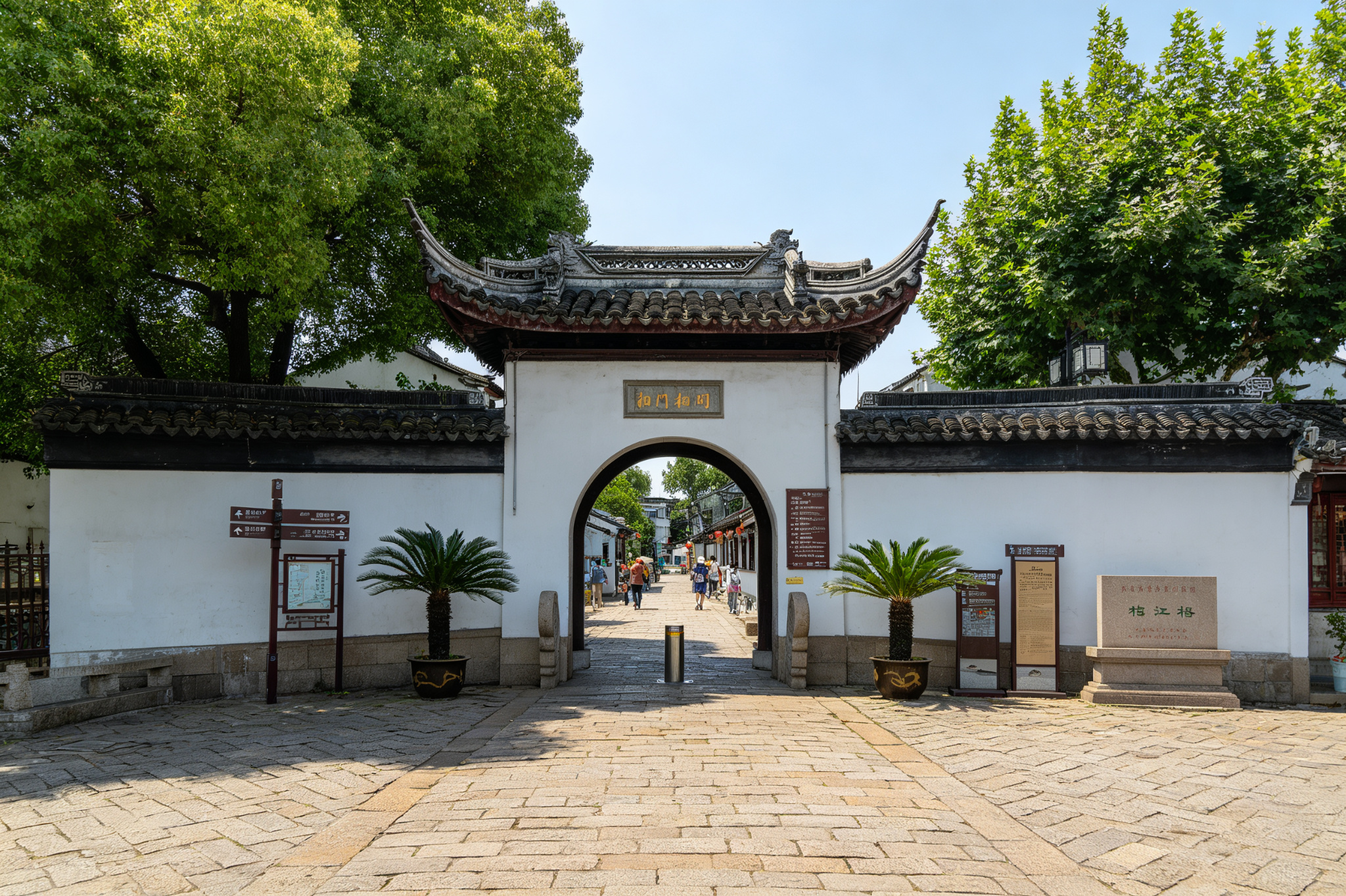
Xiangmen, also known as Jiangmen (Craftsman's Gate), is one of the eight ancient gates of Suzhou, named after the legend that King Helu of Wu ordered swordsmiths to work here. The restored city wall now stands majestically at the southern end of Pingjiang Road, serving as the primary gateway for visitors entering this thousand-year-old historic block. The surrounding city wall heritage park is shaded by lush greenery, and climbing the wall offers panoramic views of the ancient city's canal-and-alley landscape. It serves both as the starting point of a Pingjiang Road stroll and as a significant landmark for appreciating Suzhou's city layout and gate culture.
Yuan Bridge · 苑桥
🎧 In app 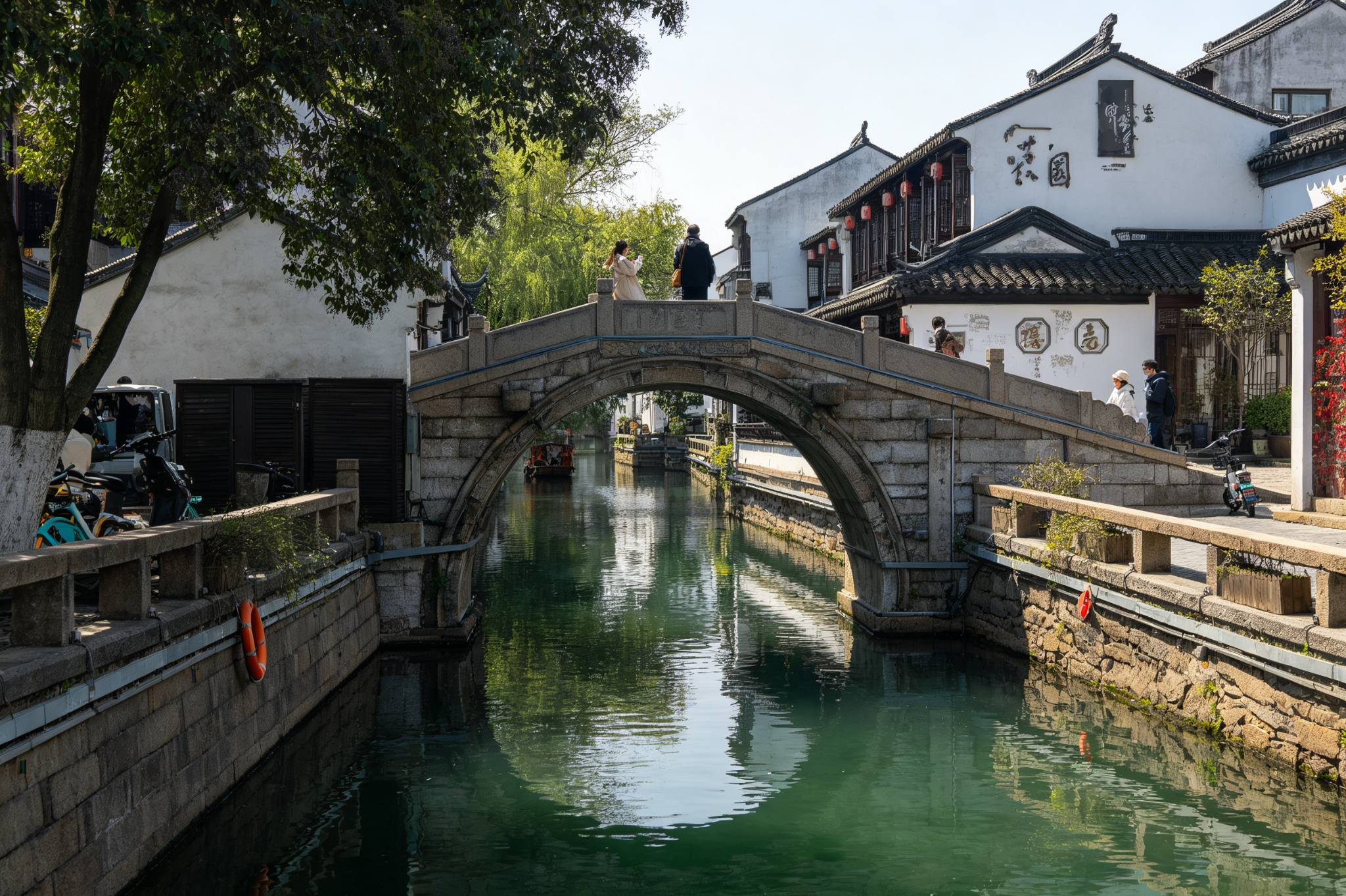
Yuan Bridge spans the Pingjiang River as a classic stone arch bridge embodying the Jiangnan water-town aesthetic. Its name derives from the royal or private gardens that once graced its vicinity; though those gardens have faded into history, the bridge's elegant form still evokes the prosperity of bygone eras. Standing on the bridge, one gazes east at whitewashed residences lining the canal and west at the winding flagstone path, where reflections and dwellings create a charming interplay. Yuan Bridge is not only a key node in Pingjiang Road's dual water-and-land layout but also an ideal spot for photographers and visitors to capture the iconic imagery of "small bridge, flowing water, and humble home."
Sipo Bridge · 思婆桥
🎧 In app 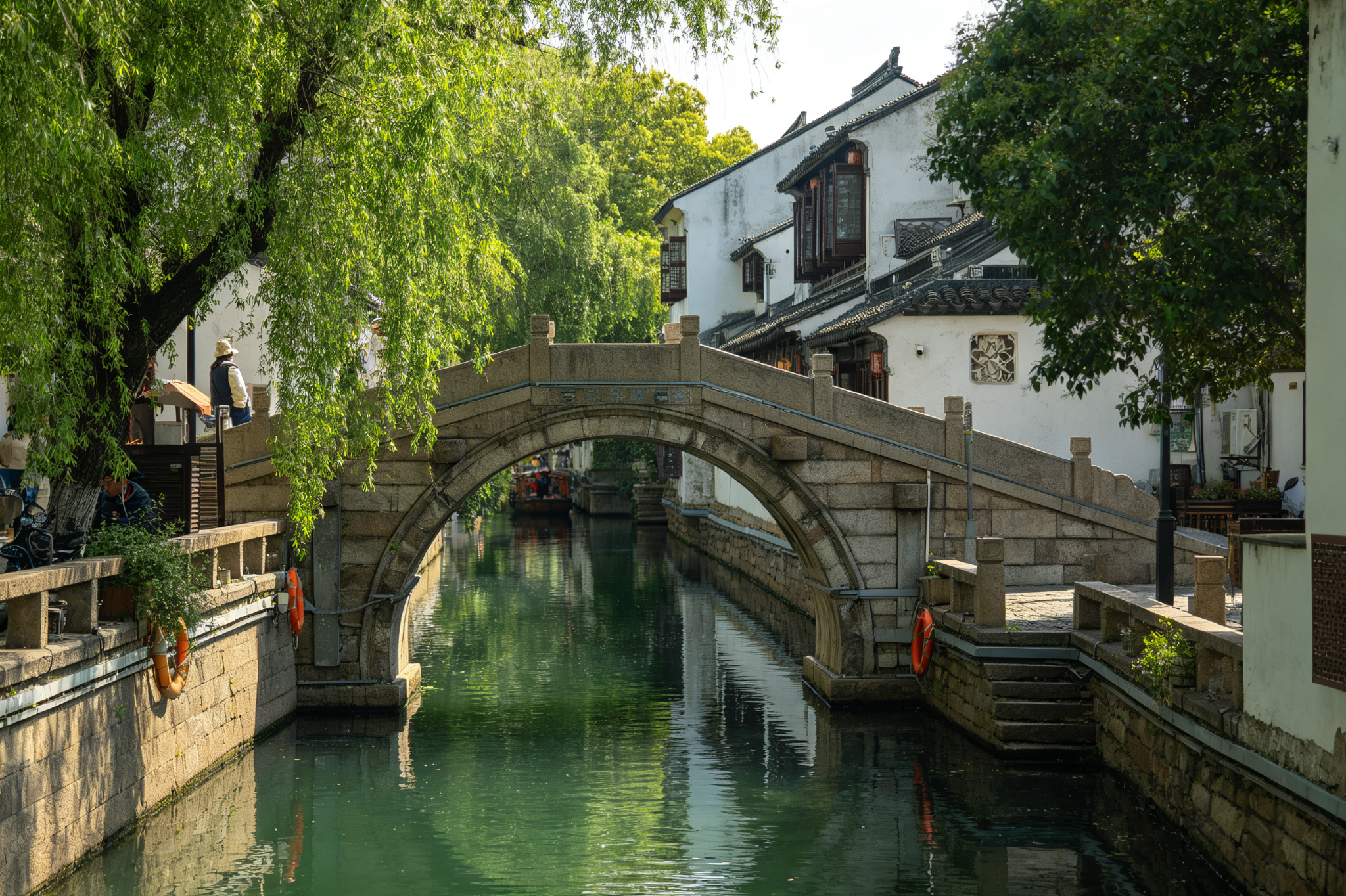
Sipo Bridge is among the oldest bridges on Pingjiang Road. Legend attributes its name—"Sipo" meaning "remembering the granny"—to a kind old woman who offered tea and alms here; another theory links it to "Shipo" (female shaman or nun). Regardless of origin, this single-arch stone bridge has endured centuries of weather, its flagstones polished to a warm sheen by countless footsteps, its low rail blending seamlessly with the modest riverside dwellings. In morning mist or evening lamplight, Sipo Bridge paints a faint ink-wash canal scene, serving as one of the finest windows into Suzhou's neighborhood philosophy that "bridges are life itself."
Dingxiang Lane (Lilac Lane) · 丁香巷
🎧 In app 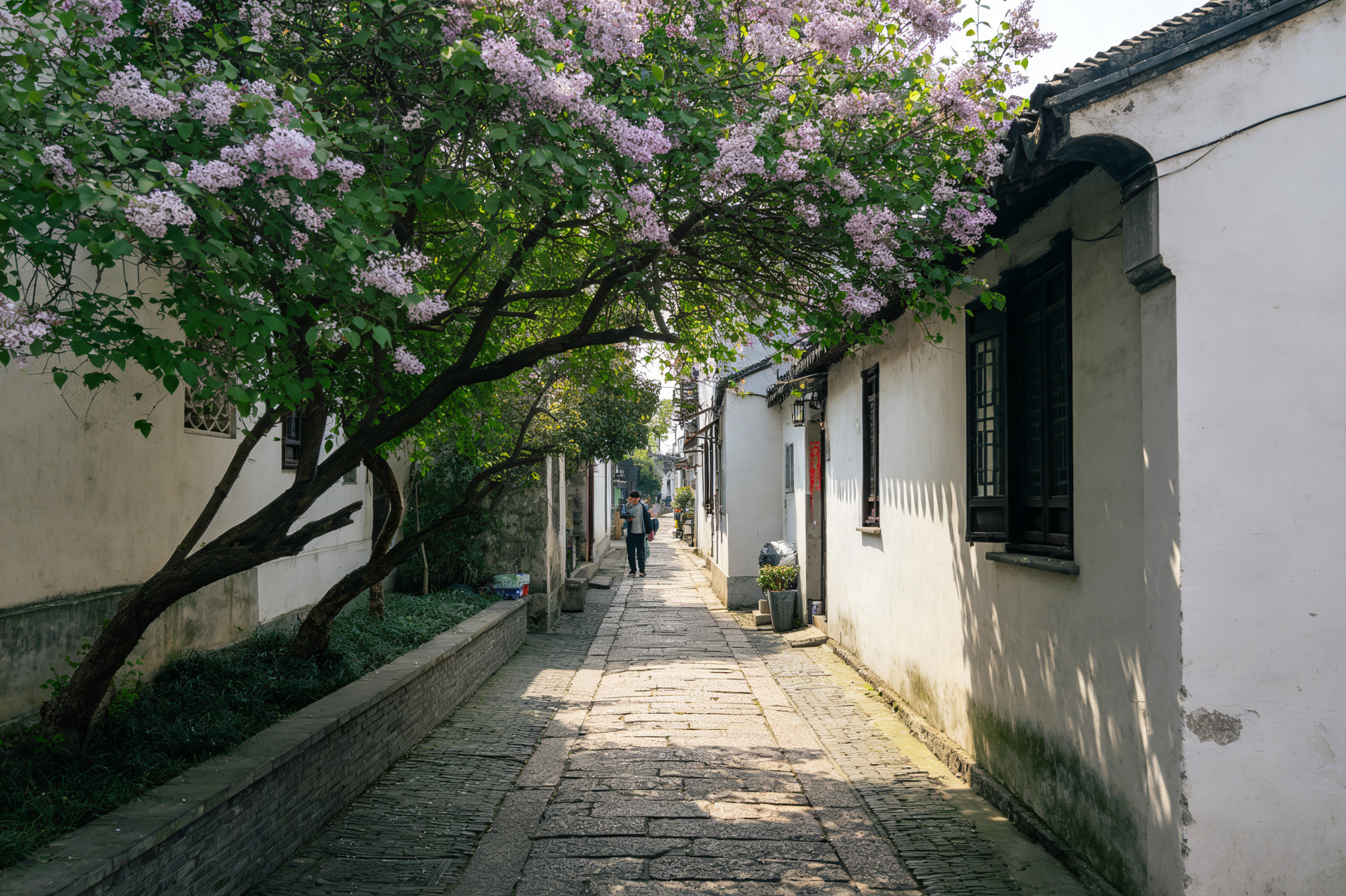
Dingxiang Lane is a narrow, deeply secluded branch lane east of Pingjiang Road, named after the lilac trees that once filled it. In late spring and early summer, purple petals drift onto flagstones, perfuming the alley with a subtle fragrance. It also houses the former residence of the modern scholar Gu Jiegang, intertwining academic heritage with floral poetry. Old doorways stand half-open, cats dart past, and drying clothes coexist with carved lintels in a vivid neighborhood tableau. With its quietude and scent, Dingxiang Lane becomes the most moving literary corner beyond the bustling main street, drawing writers and wanderers who linger here in search of inspiration.
Zhongzhangjia Lane (Suzhou Pingtan Museum) · 中张家巷(评弹博物馆)
🎧 In app 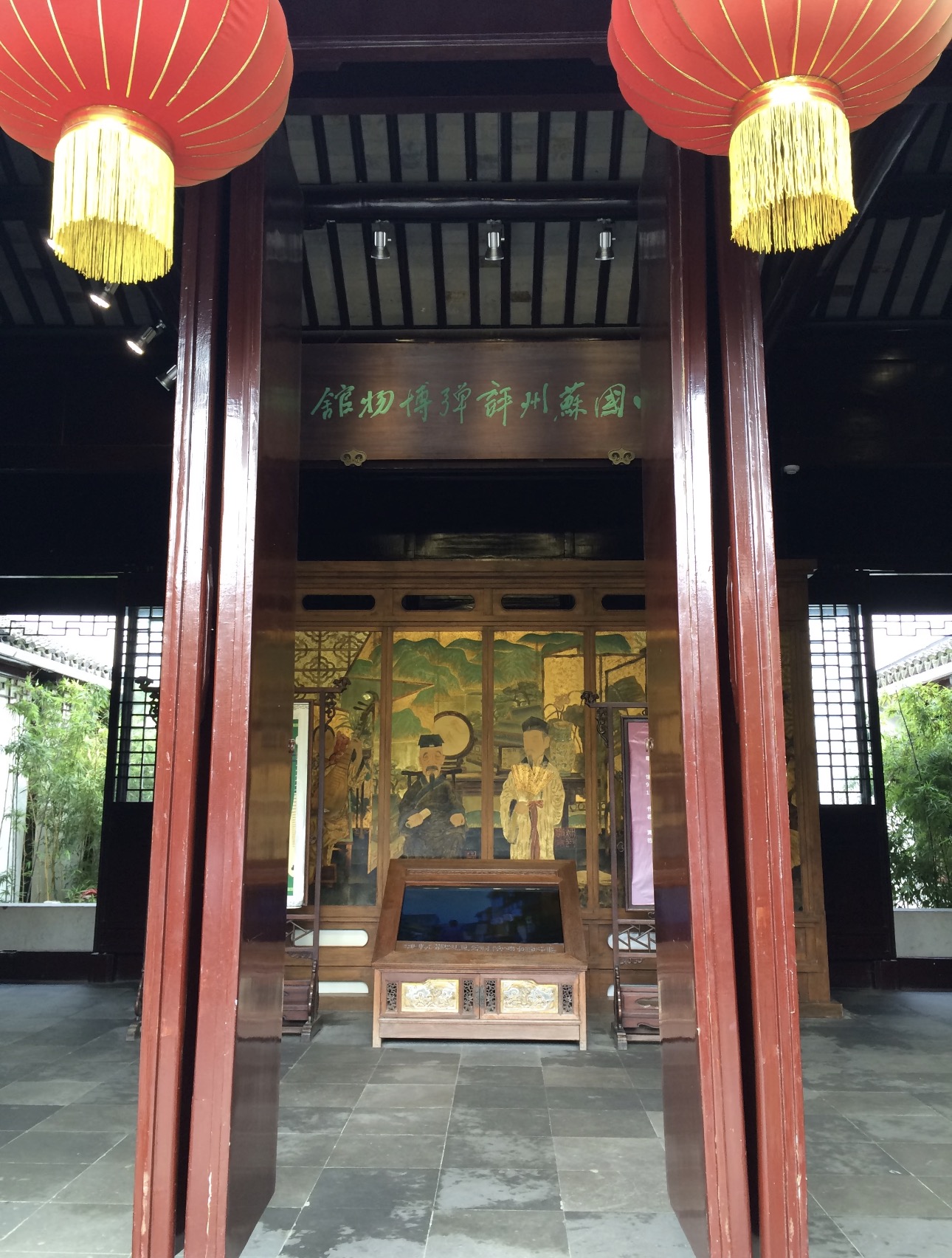
Zhongzhangjia Lane is intimately tied to Pingtan culture. The Suzhou Pingtan Museum housed here is China's only museum dedicated to Suzhou Pingtan (storytelling and musical performance). Its collections include extensive historical documents, manuscripts, records, and stage props tracing Pingtan's evolution from the Qing dynasty to today. The highlight is the regular live performances: visitors can sit in a traditional storytelling house, sip Biluochun tea, and hear authentic Pingtan openings, experiencing the rhythmic cadence of Wu dialect singing and the delicate accompaniment of stringed instruments. This is an essential hall for understanding Suzhou's "sound culture" and Pingjiang Road's most vibrant site of living heritage.
Niujia Lane (Suzhou Zhuangyuan Museum) · 钮家巷(状元博物馆)
🎧 In app 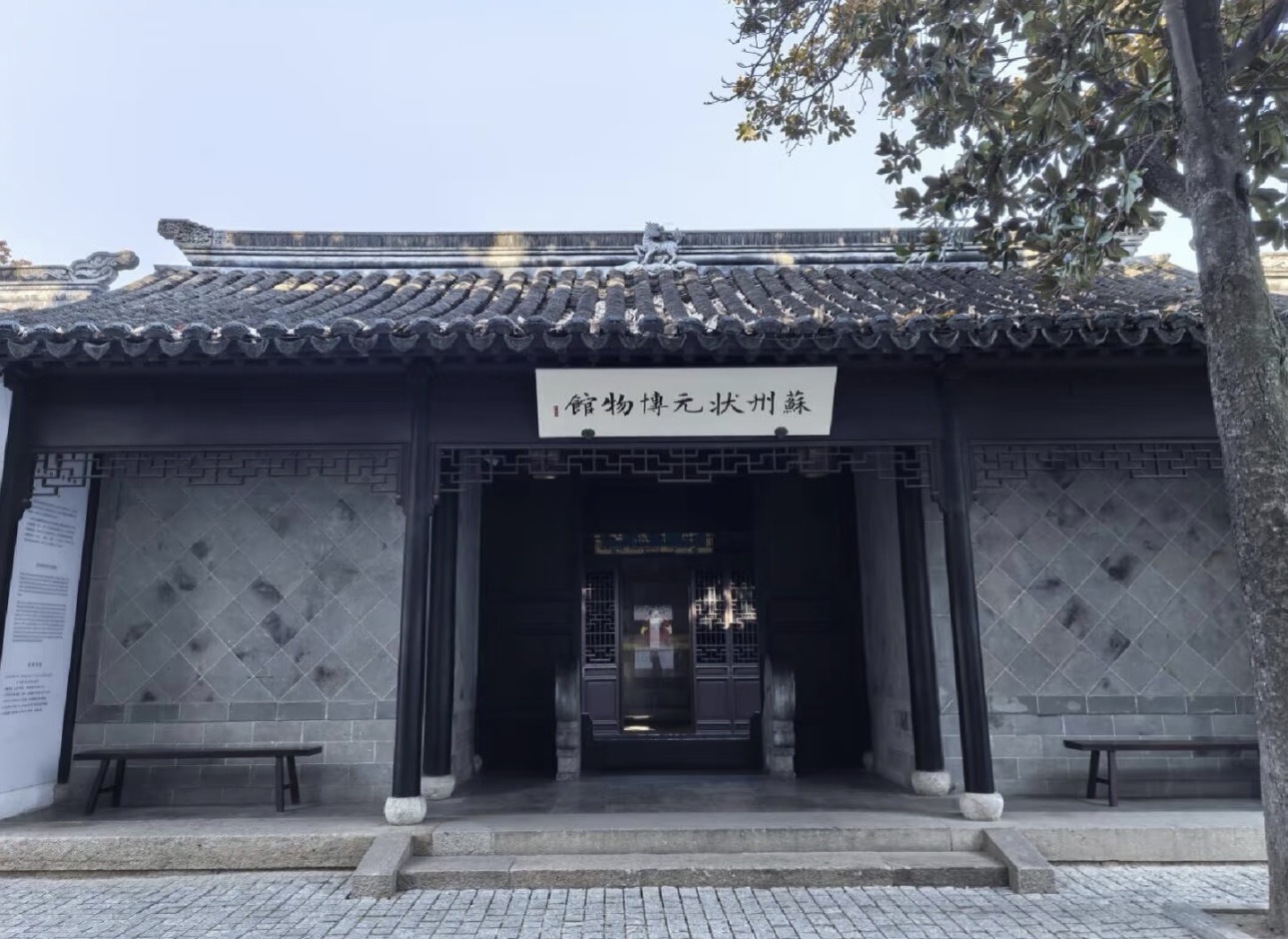
The Suzhou Zhuangyuan Museum on Niujia Lane is set within Fengchi Garden, the former residence of Qing dynasty Zhuangyuan Pan Shi'en. Suzhou has produced over fifty Zhuangyuan since the Song dynasty—more than any other city in China—earning the title "Home of Zhuangyuan." Using Pan Shi'en's life as an entry point, the museum displays exam papers, honor plaques, robes, and daily artifacts, comprehensively illustrating the journey from arduous study to imperial triumph and the profound influence of Zhuangyuan families on Suzhou's educational traditions. The residence itself is an elegant Suzhou mansion with spacious halls and graceful landscaping, allowing visitors to appreciate the layout aesthetics of Jiangnan scholar-official dwellings alongside the exhibits. It is a cultural hall where scholarly spirit and architectural beauty merge seamlessly.
Daru Lane (Great Scholar Lane) · 大儒巷
🎧 In app 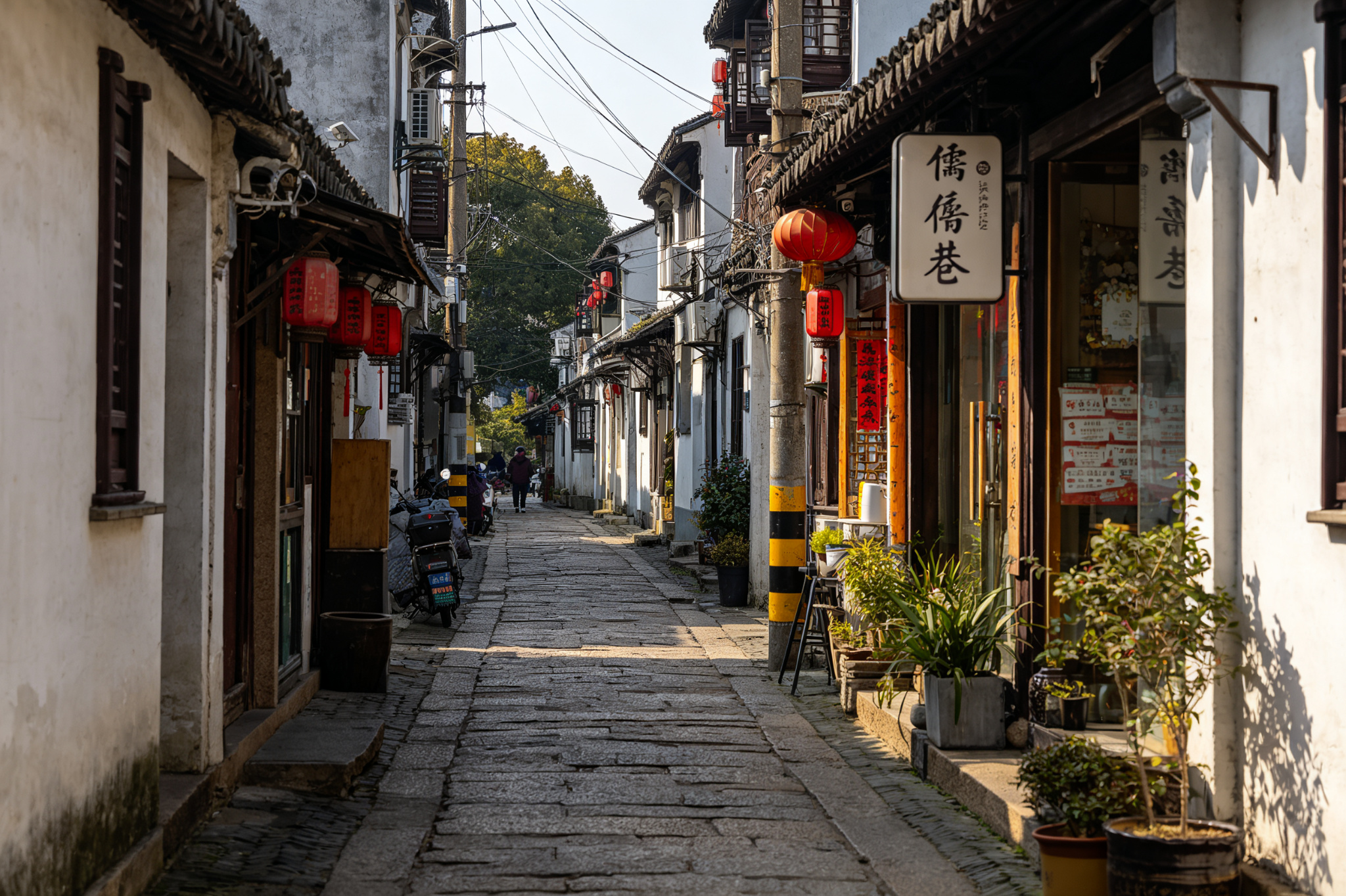
Daru Lane takes its name from the renowned Ming dynasty scholar Wang Ren—"Daru" (Great Scholar) itself distills Suzhou's reverence for learning. Several Ming and Qing residences and scholar sites still survive here, their blue-brick gateways and lattice windows hinting at a bygone literary aura. Meanwhile, Daru Lane is also one of Pingjiang Road's most concentrated artisan branches, dotted with Su embroidery studios, nut-carving workshops, and woodwork shops, where literati ethos and craftsman spirit run parallel. The lane's intimate scale and sparse foot traffic invite unhurried exploration, allowing visitors to read between doorways and window frames the symbiotic humanistic ecology of Suzhou's "letters and crafts."
Xuanqiao Lane (Hong Jun's Former Residence & Boat House) · 悬桥巷(洪钧故居、船屋)
🎧 In app 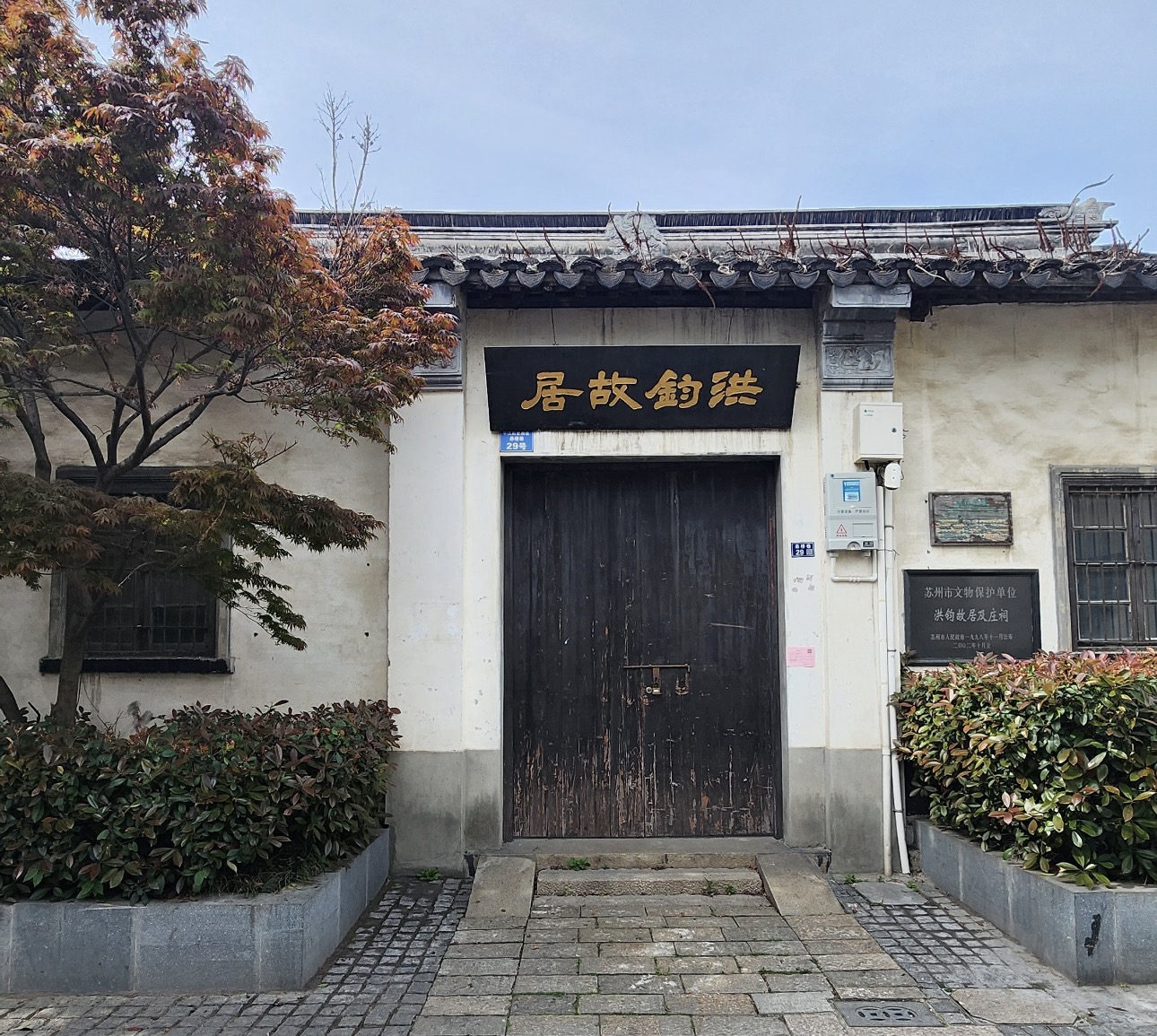
Xuanqiao Lane, named after a suspension bridge that once stood at its entrance, is Pingjiang Road's most legendary branch. No. 27 is the former residence of late-Qing Zhuangyuan Hong Jun, who served as envoy to several European nations and later lived here with the famous courtesan Sa Jinhua—a story still avidly recounted. The residence's most distinctive feature is a "boat house"—an entire building constructed in the shape of a boat, with two cabins and orderly hull-style lattice windows, resembling a dry-docked vessel in the lane, standing as Suzhou's most creative singular example of residential architecture. The lane itself is deep and tranquil, old eaves intertwining with creeping vines; a stroll here feels like walking into a fold of late-Qing turbulence compressed by time.
Qingshi Bridge (Bluestone Bridge) · 青石桥
🎧 In app 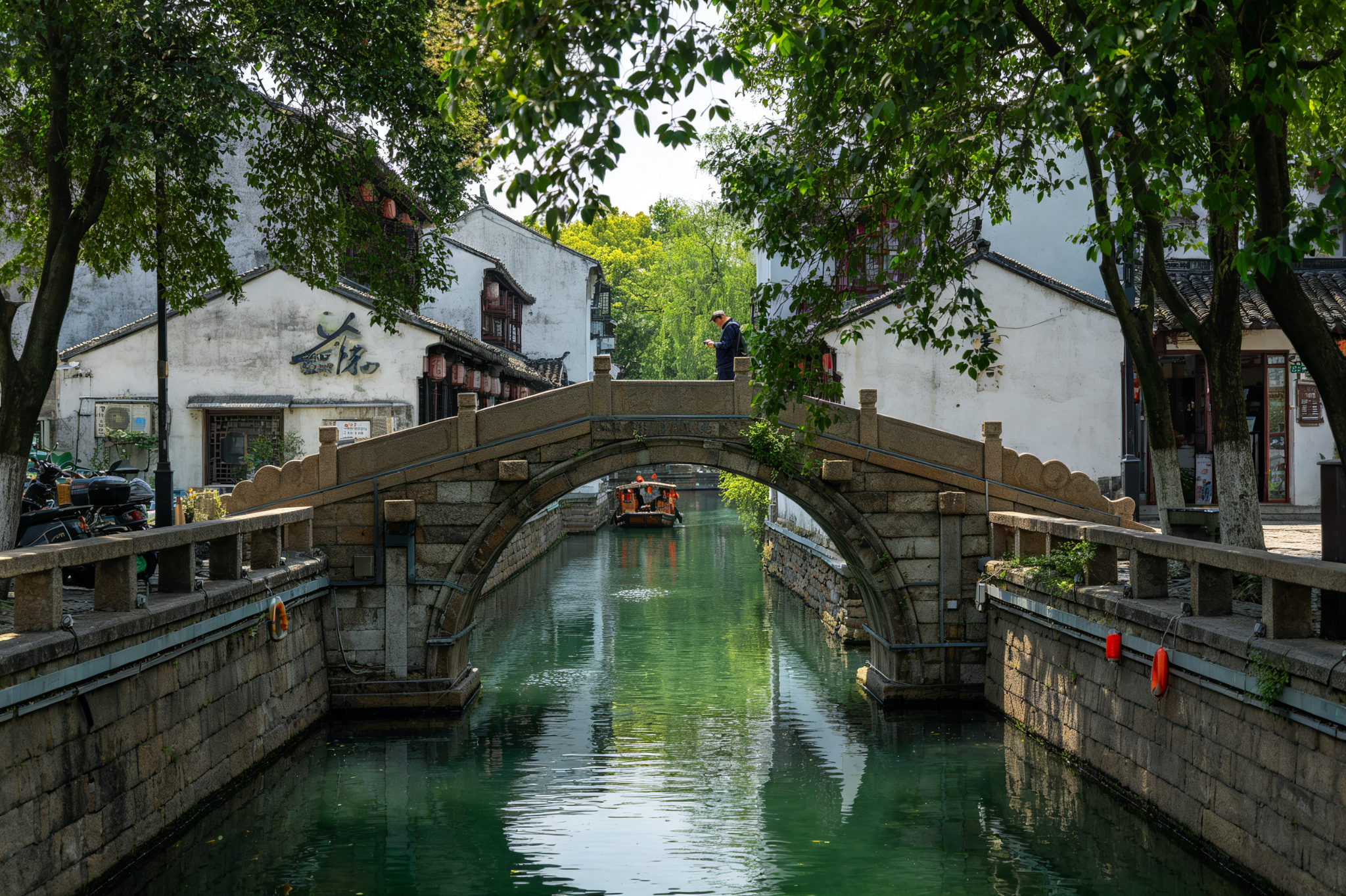
Qingshi Bridge, named for its bluestone construction, is one of Pingjiang River's most understated yet evocative ancient bridges. The bridge vicinity is Pingjiang Road's most lived-in stretch, where several canal-side teahouses extend wooden awnings with tables half-reaching over the water. As patrons sip tea and chat, awning boats glide slowly beneath the bridge, composing a living water-town tableau. Qingshi Bridge is also among the most enchanting night scenes on Pingjiang Road: after dark, lantern reflections float on the canal, teahouse warm light mirrors on the water, and the ancient bridge silhouette flickers between brightness and shadow. We recommend lingering at least half an hour—sit in a bridge-side teahouse and, over a cup of Suzhou Biluochun tea, truly read Pingjiang Road's philosophy that "slowness is beauty."
Quanjin Guild Hall - Suzhou Chinese Opera Museum · 全晋会馆 - 苏州戏曲博物馆
🎧 In app 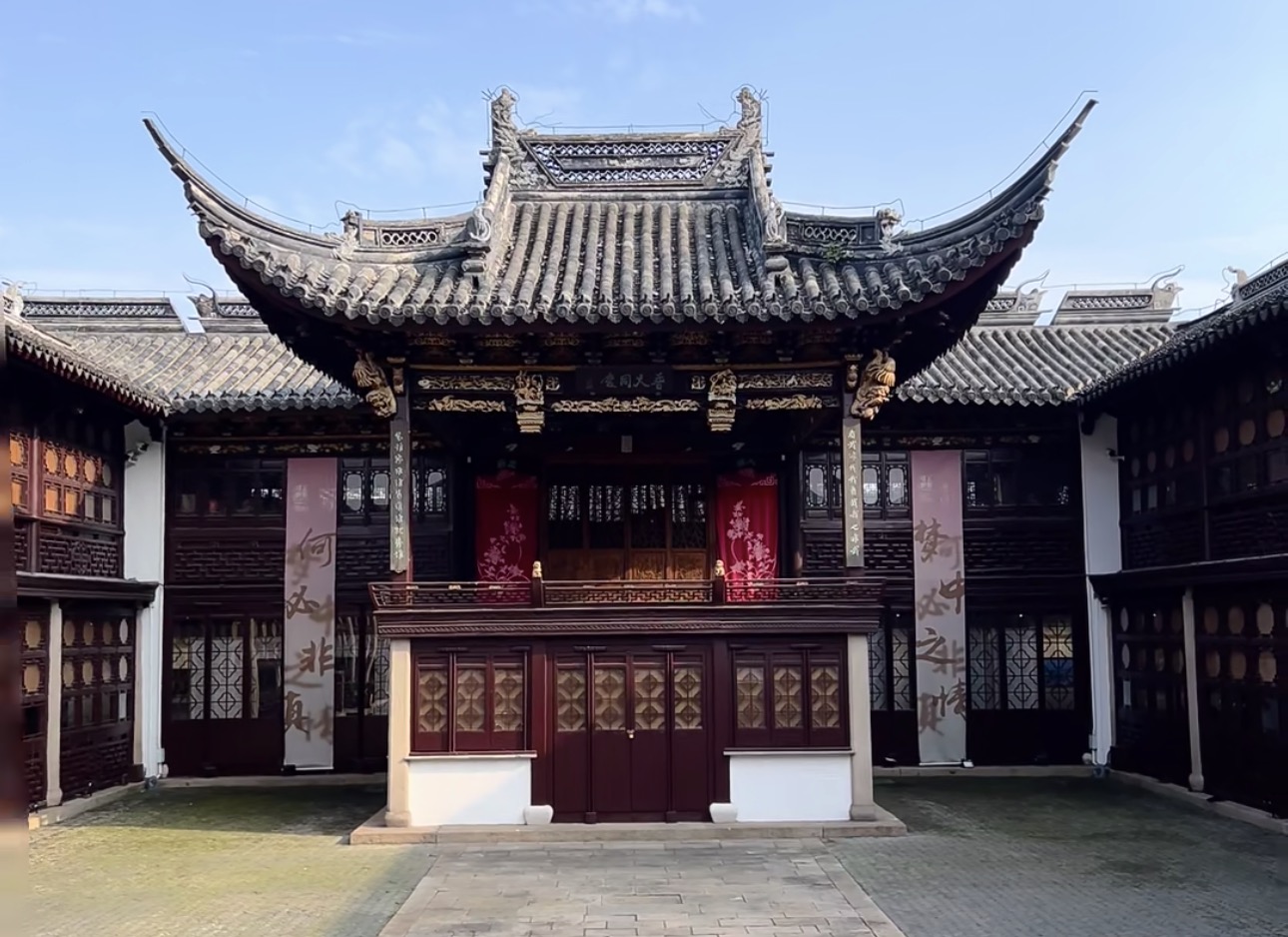
Quanjin Guild Hall is Pingjiang Road's most architecturally stunning landmark. Built with funds raised by Shanxi merchants doing business in Suzhou during the Qianlong era, it served for fellow-provincial gatherings and business deliberations. The hall's most striking feature is its theater building: above the stage, a caisson ceiling composed of hundreds of carved wooden components stacked into an inverted dome, painted red and gold, stands as one of the finest surviving ancient theater caissons in the Jiangnan region. Today the guild hall has been transformed into the Suzhou Chinese Opera Museum, displaying artifacts and visual materials of Kunqu, Peking Opera, Su Opera, and other genres, with regular Kunqu performances. This building is both a historical imprint of Shanxi merchants in Suzhou and a three-dimensional textbook of Chinese traditional opera art.